Veiðivötn, Iceland
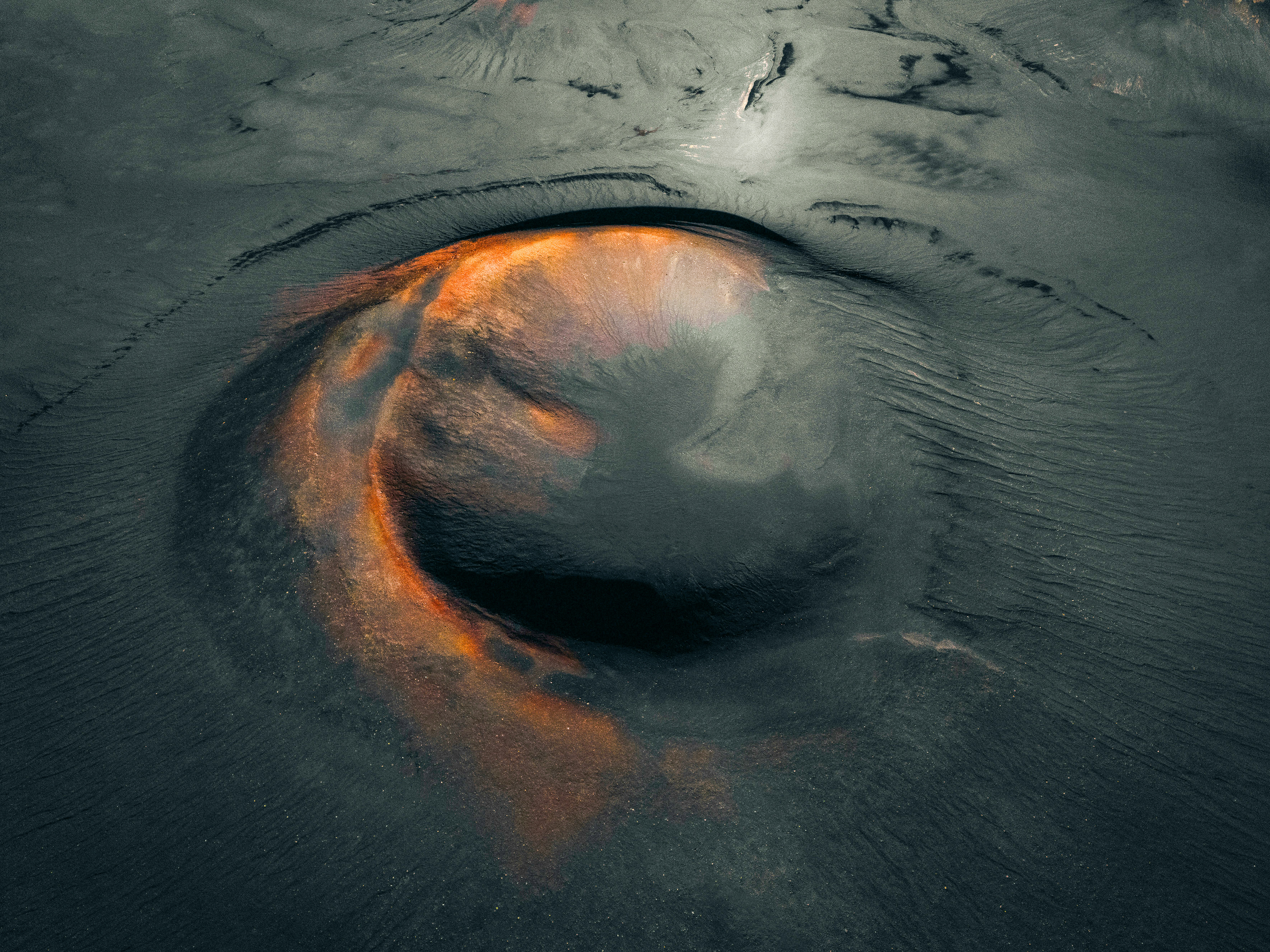
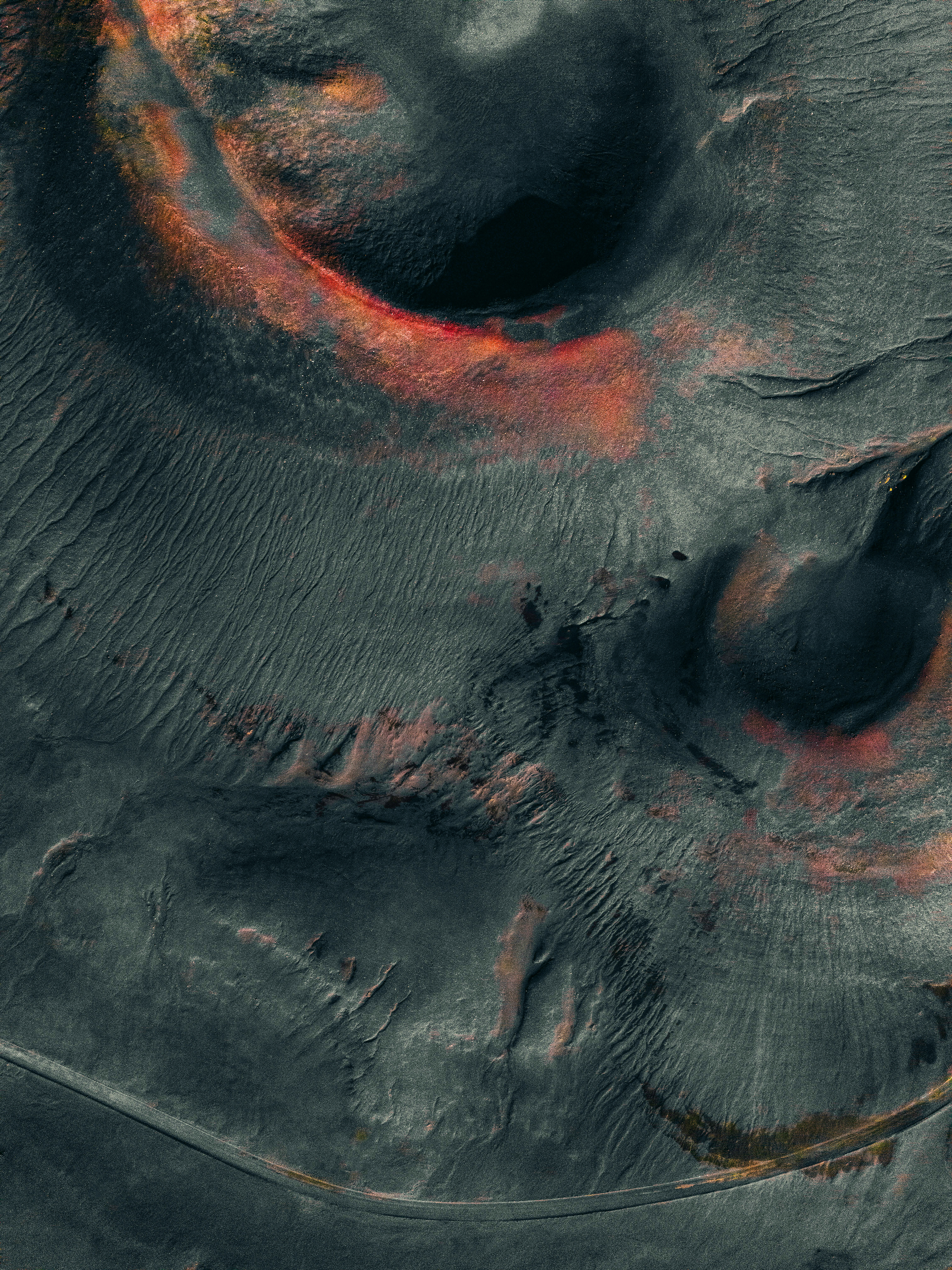
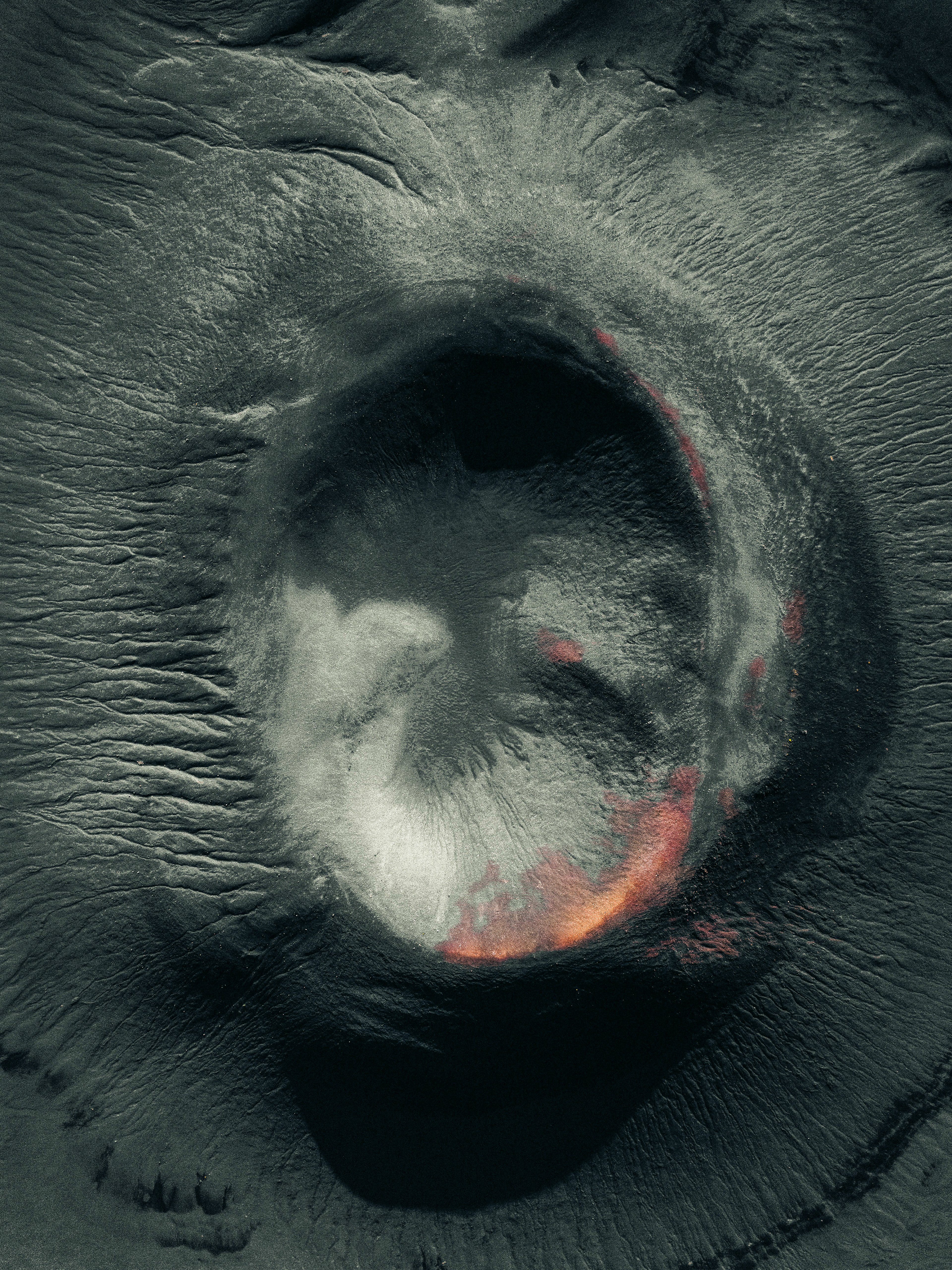
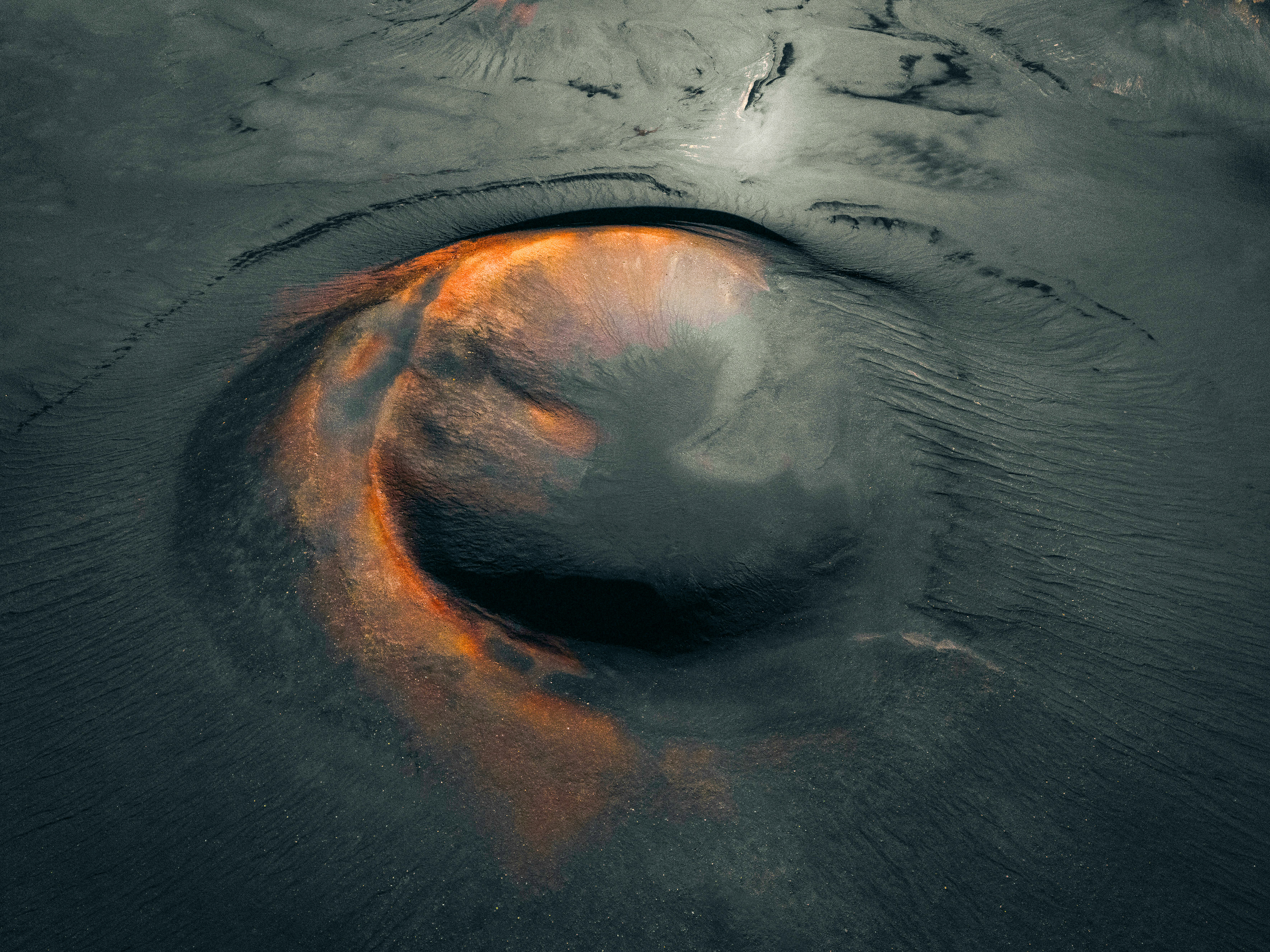
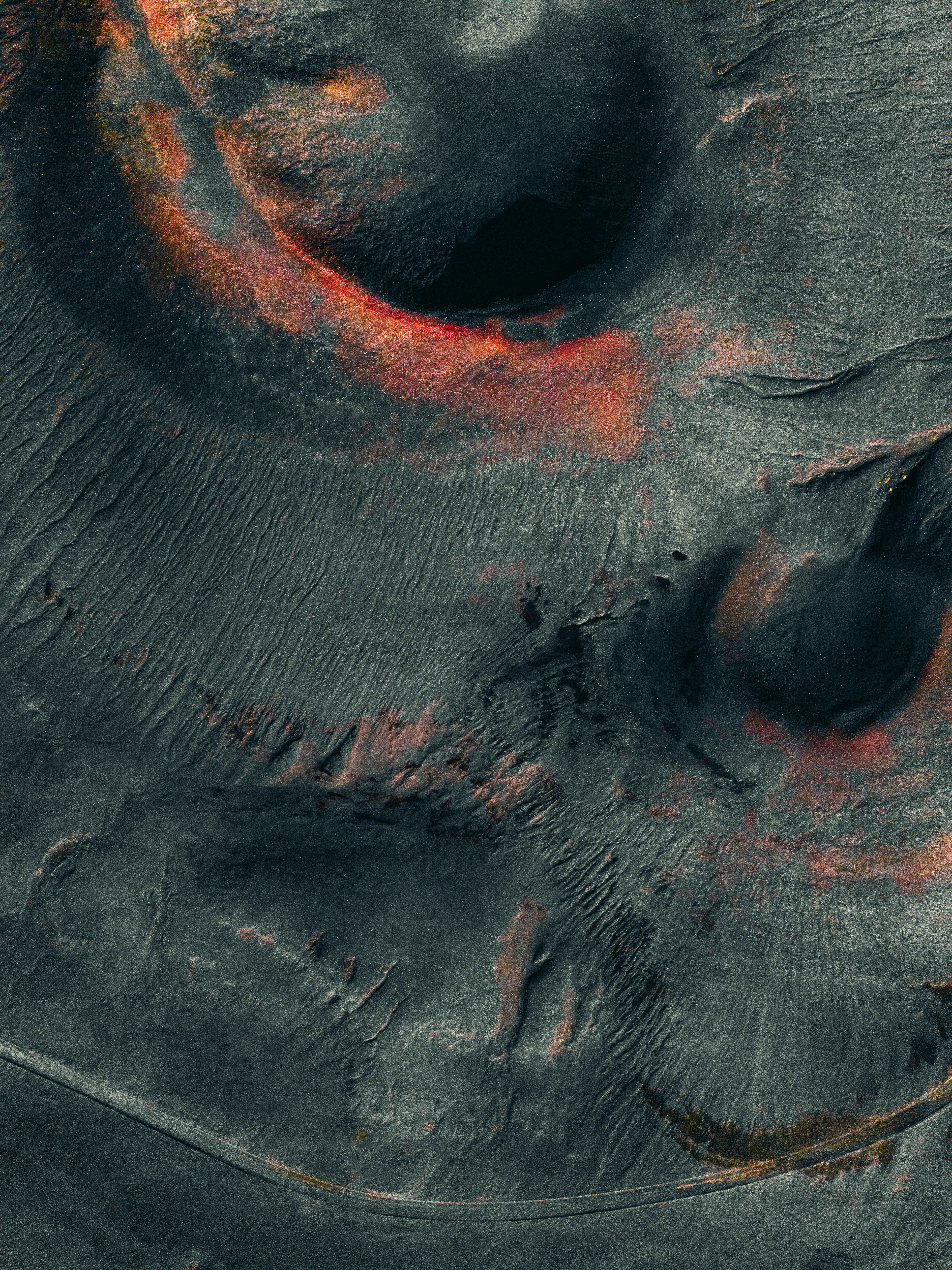
A volcanic crater within the Veiðivötn region of Iceland’s southern Highlands—an area shaped by explosive eruptions and layered with centuries of geological drama. The lava flow patterns, dark terrain, and reddish-orange mineral deposits are classic signatures of Iceland’s volcanic interior. The reddish-orange hues around the crater rim are oxidized iron-rich volcanic deposits, glowing against the basaltic backdrop. Part of the Bárðarbunga volcanic system, the craters are classic signs of explosion craters formed during intense eruptions, particularly the massive one in 1477 that reshaped much of this landscape—the same event that formed Ljótipollur. Few tourists venture here, making it a dream for photographers, solitude seekers, and geology lovers.
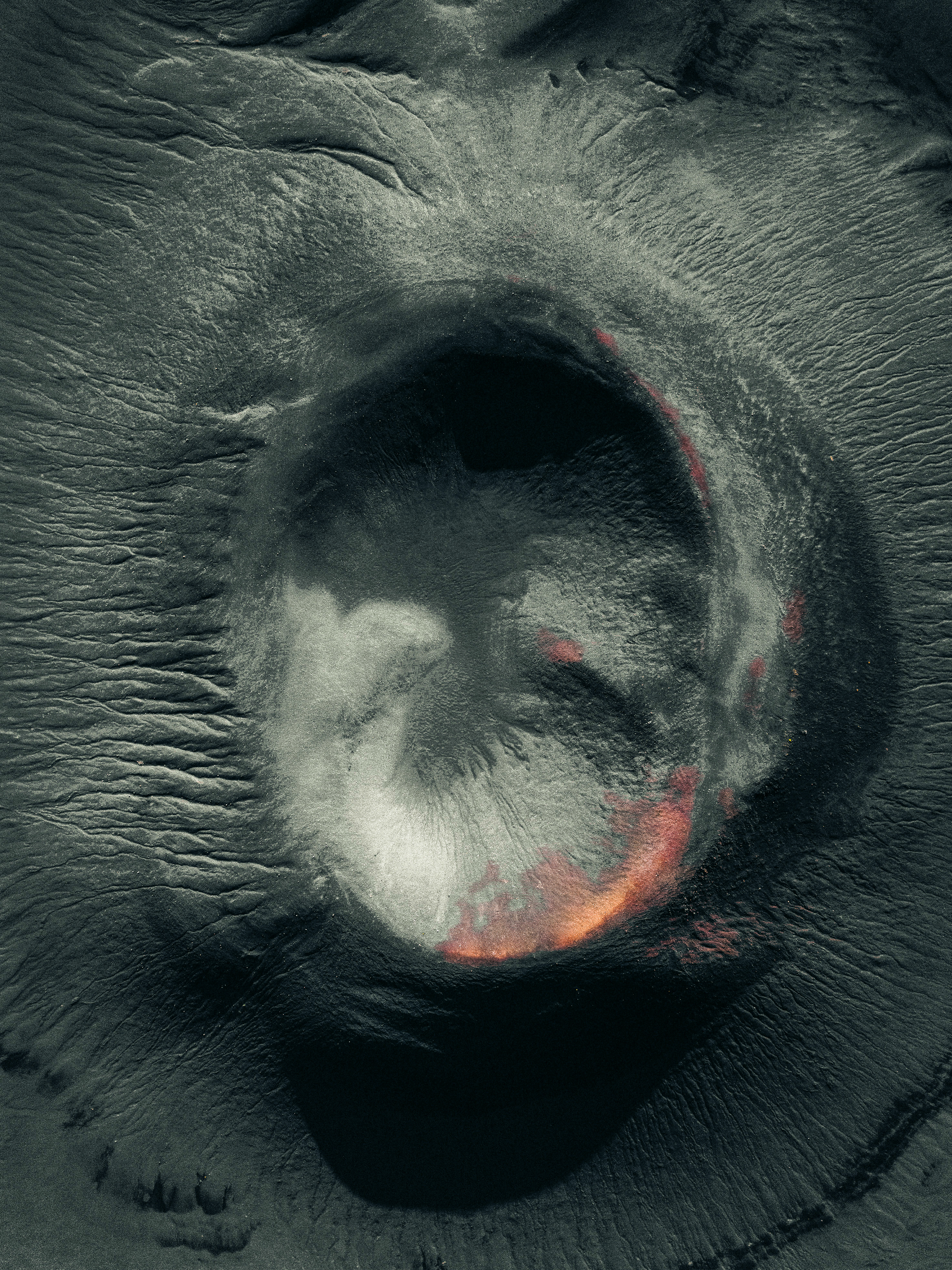
The significant circular depression is a collapsed magma chamber. The radial streaks and rugged, dark terrain, composed of tephra, ash, and lava fields, are remnants of ancient eruptions that cooled and eroded over time.
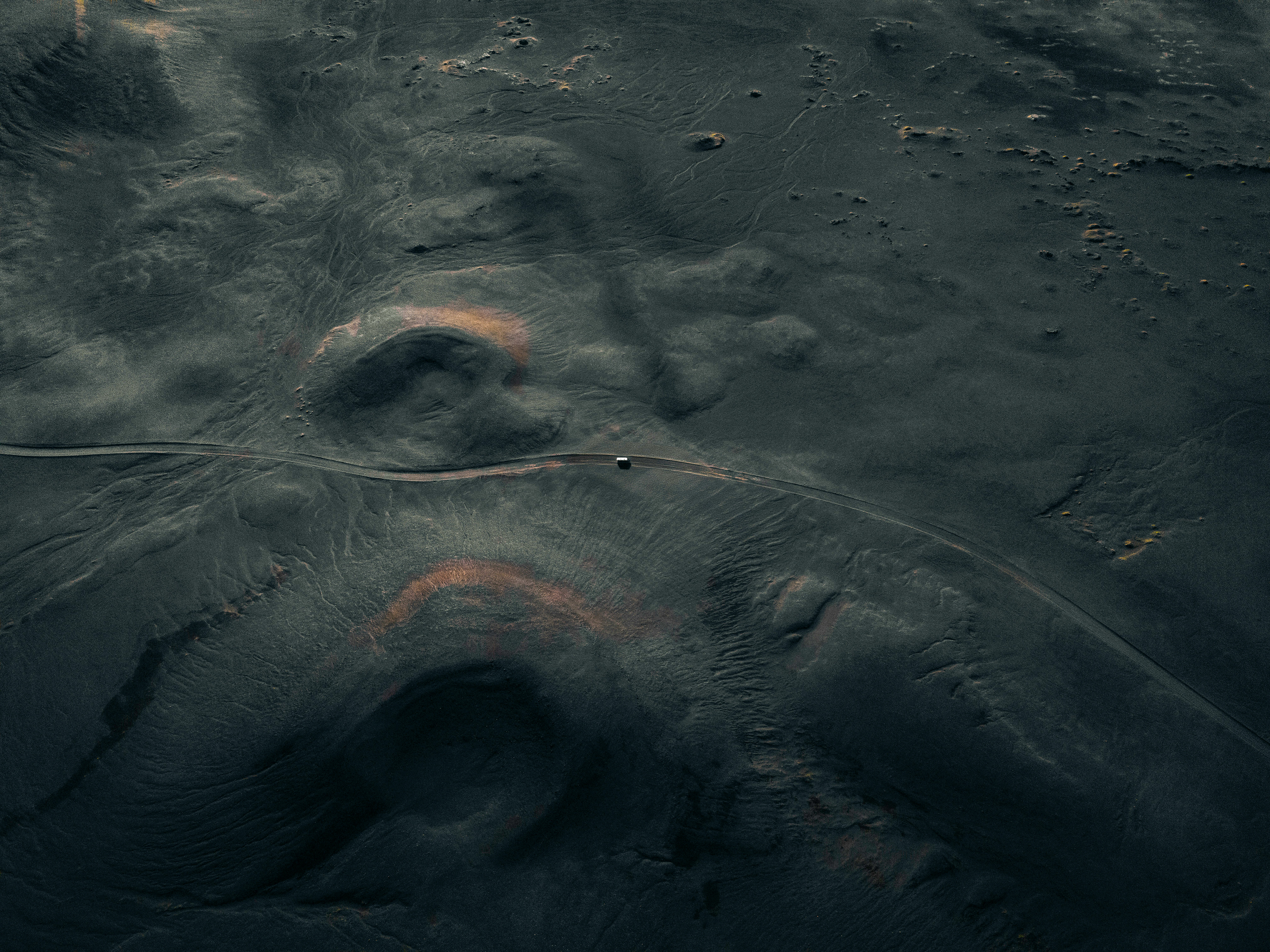
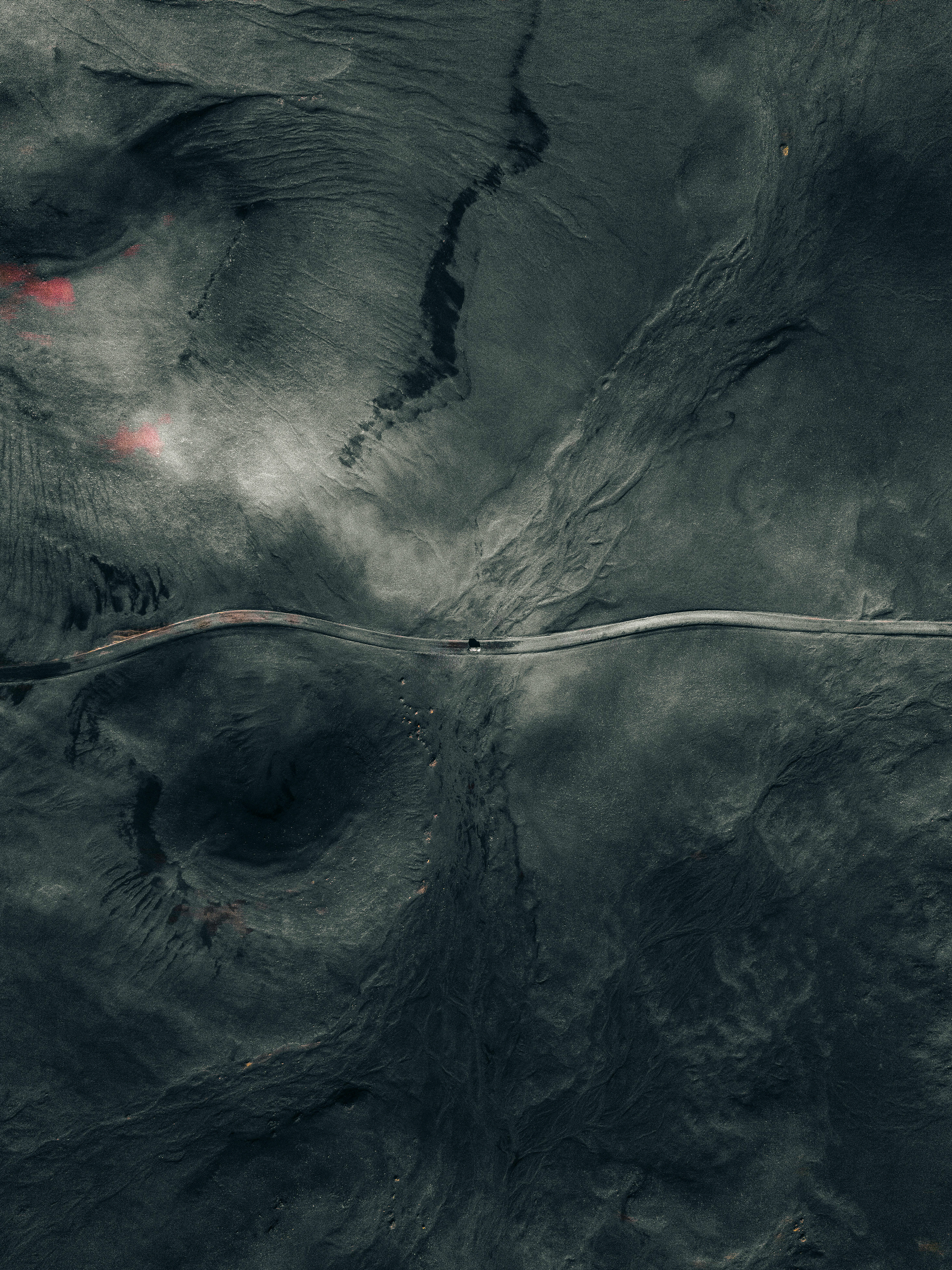
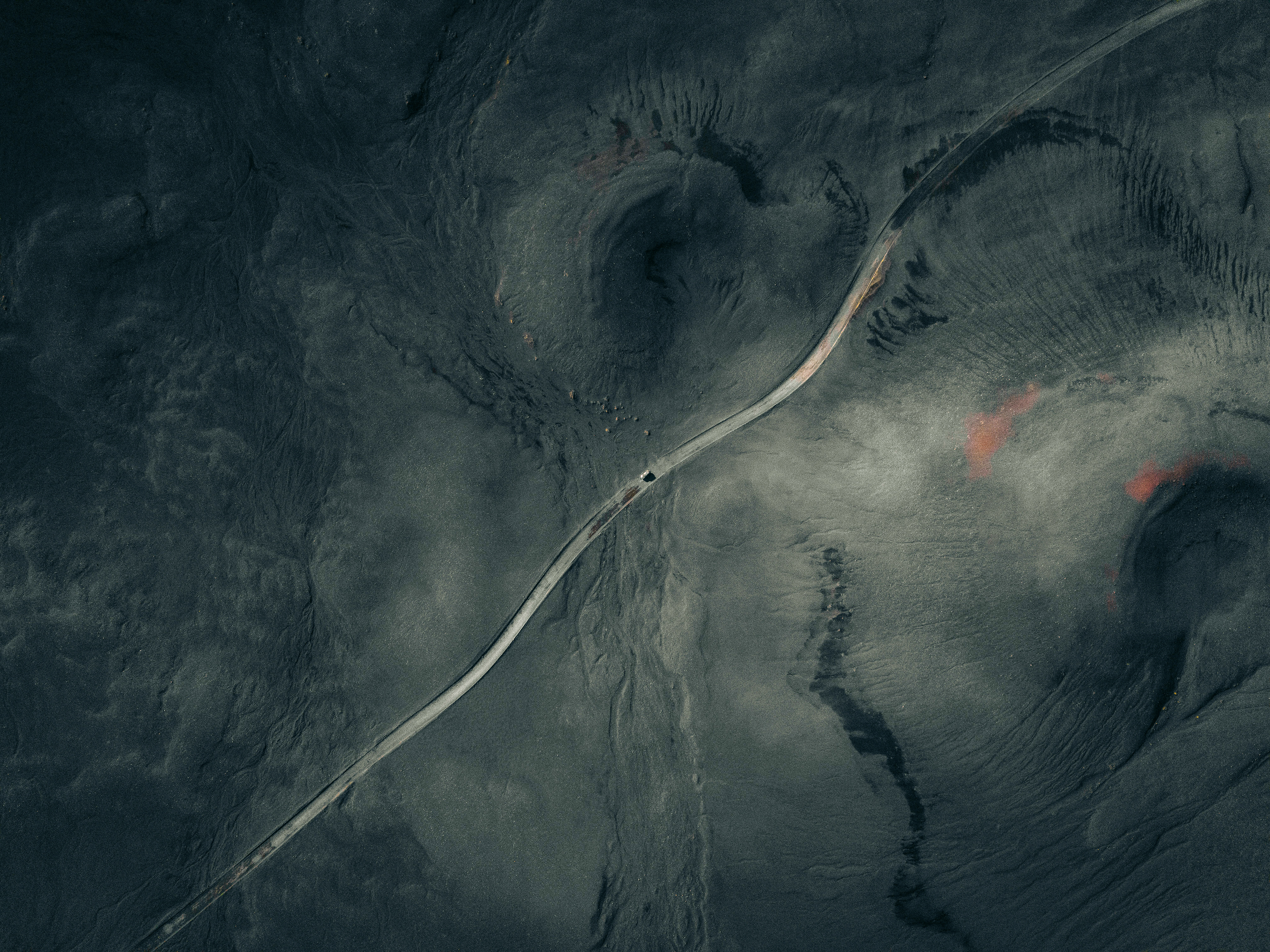
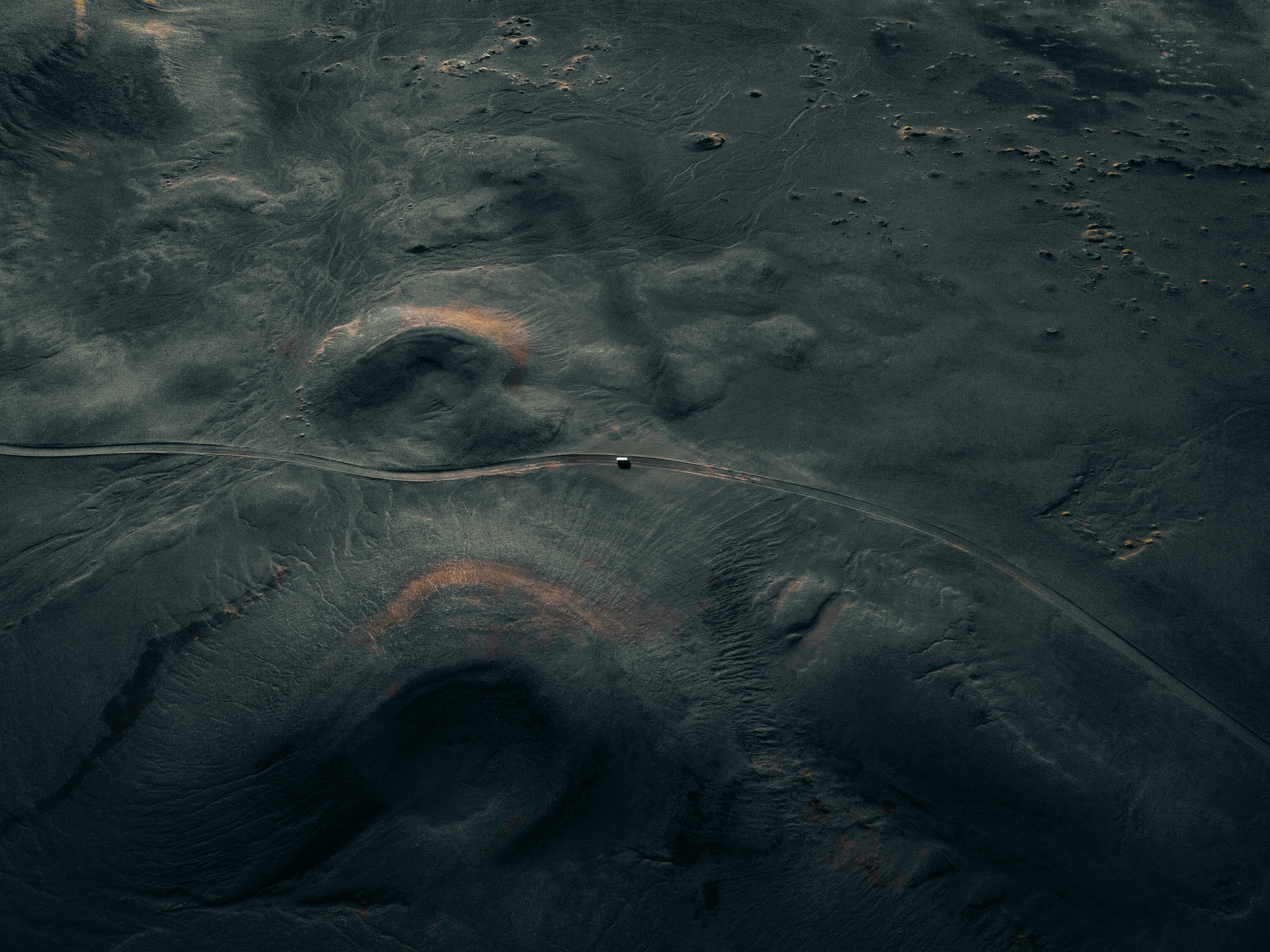
One of Iceland’s hauntingly beautiful highland roads—F-road (mountain track), also known as Fjallabaksleið Nyrðri, cutting through the volcanic desert near Landmannalaugar or Veiðivötn.
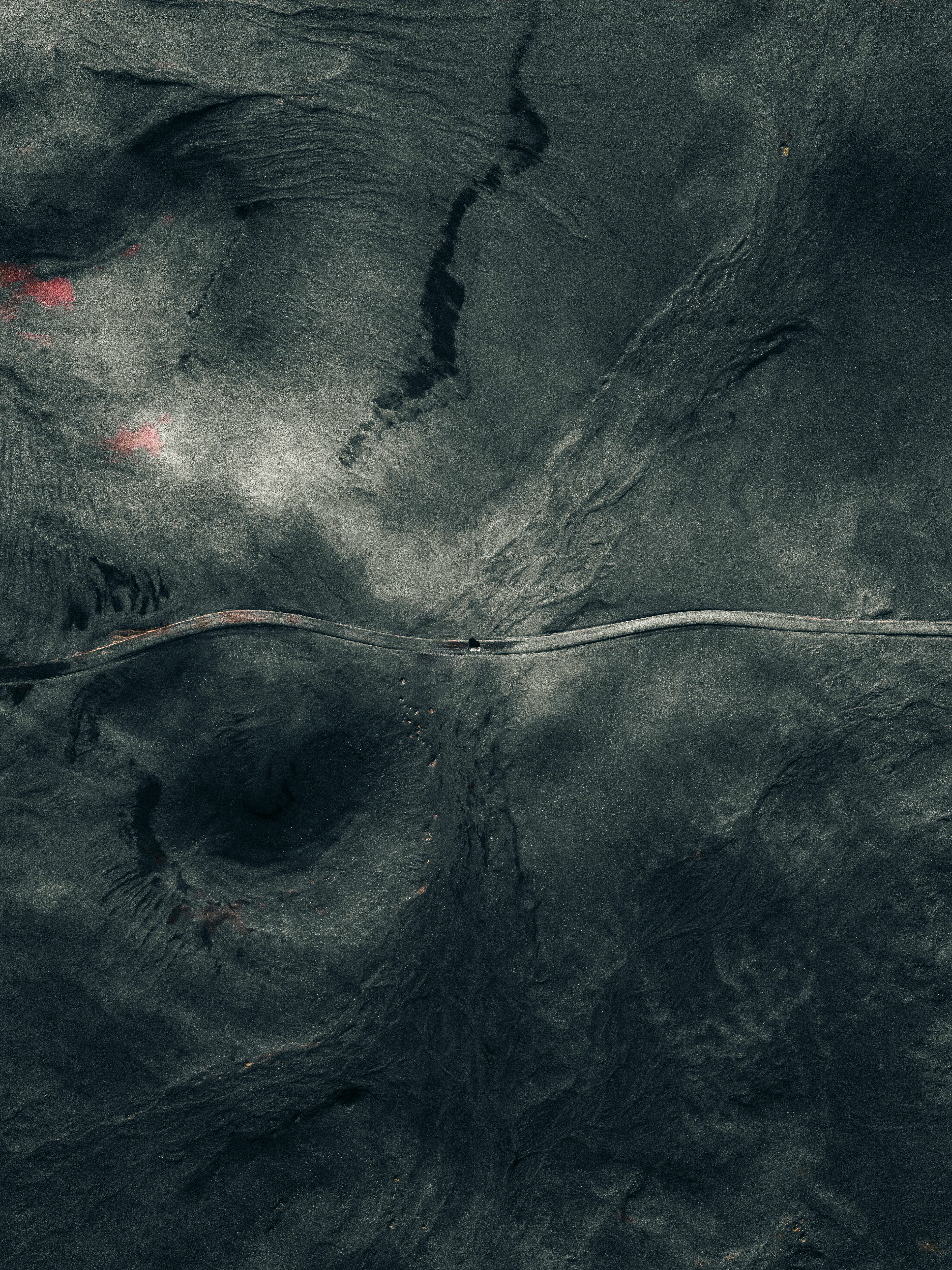
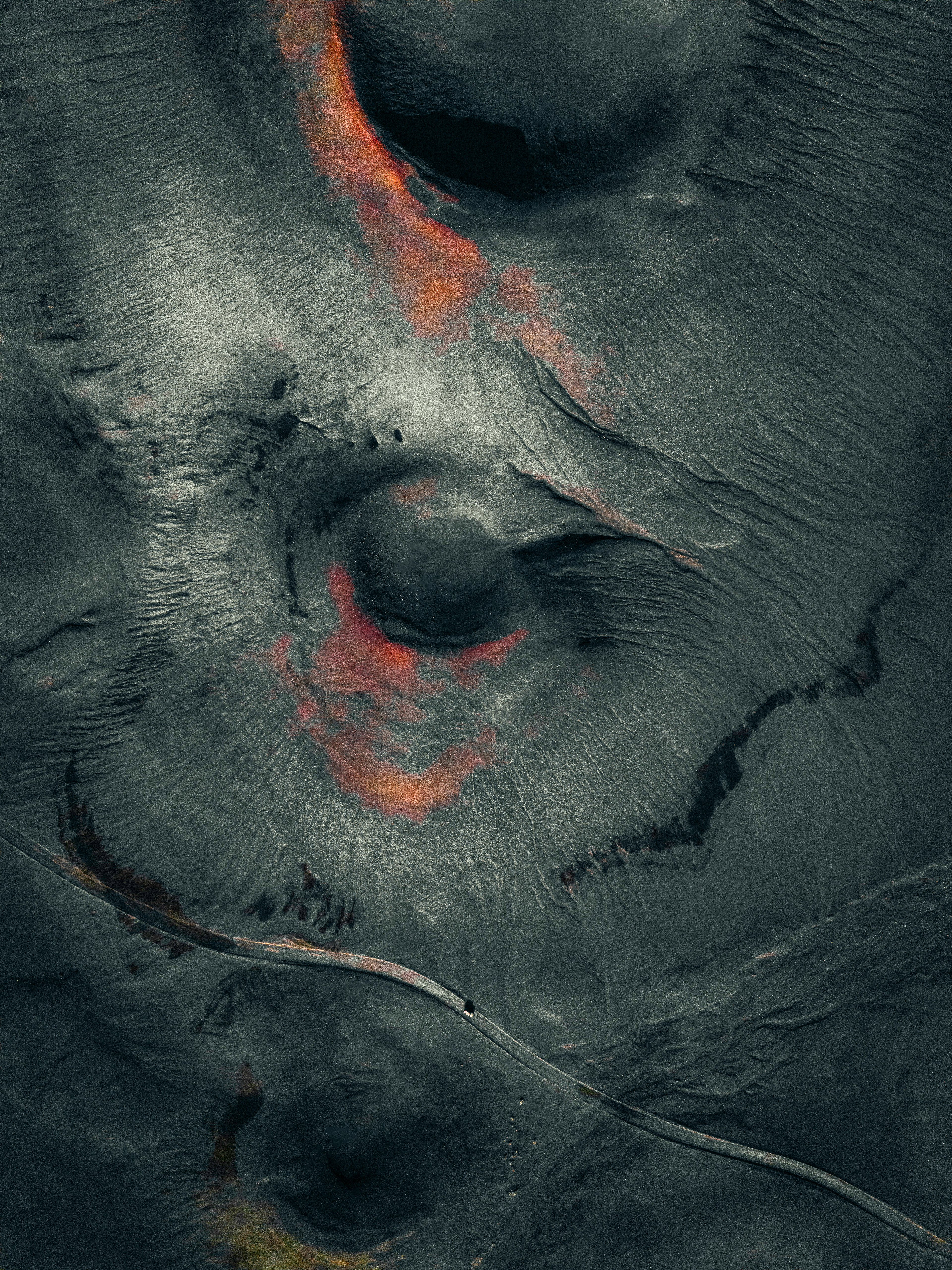
The stark contrast between the pale, winding road and the dark, barren terrain is quintessential of the classic Icelandic Highlands: raw, remote, and cinematic. These rugged mountain roads offer a raw, off-grid experience.
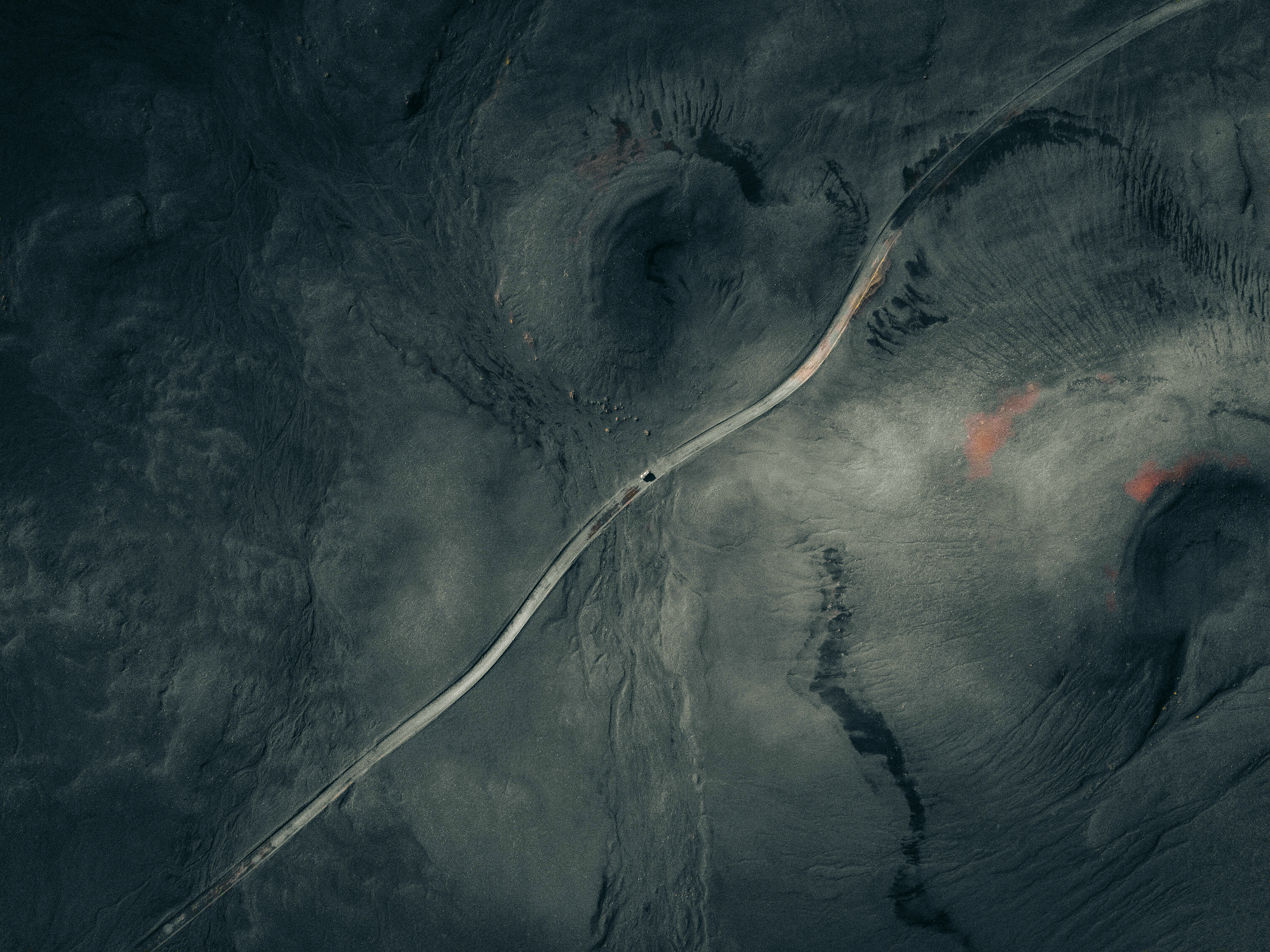
The dramatic textures, deep crevices, and scattered red patches suggest a landscape shaped by ancient lava flows and mineral-rich deposits—hallmarks of Iceland’s interior.
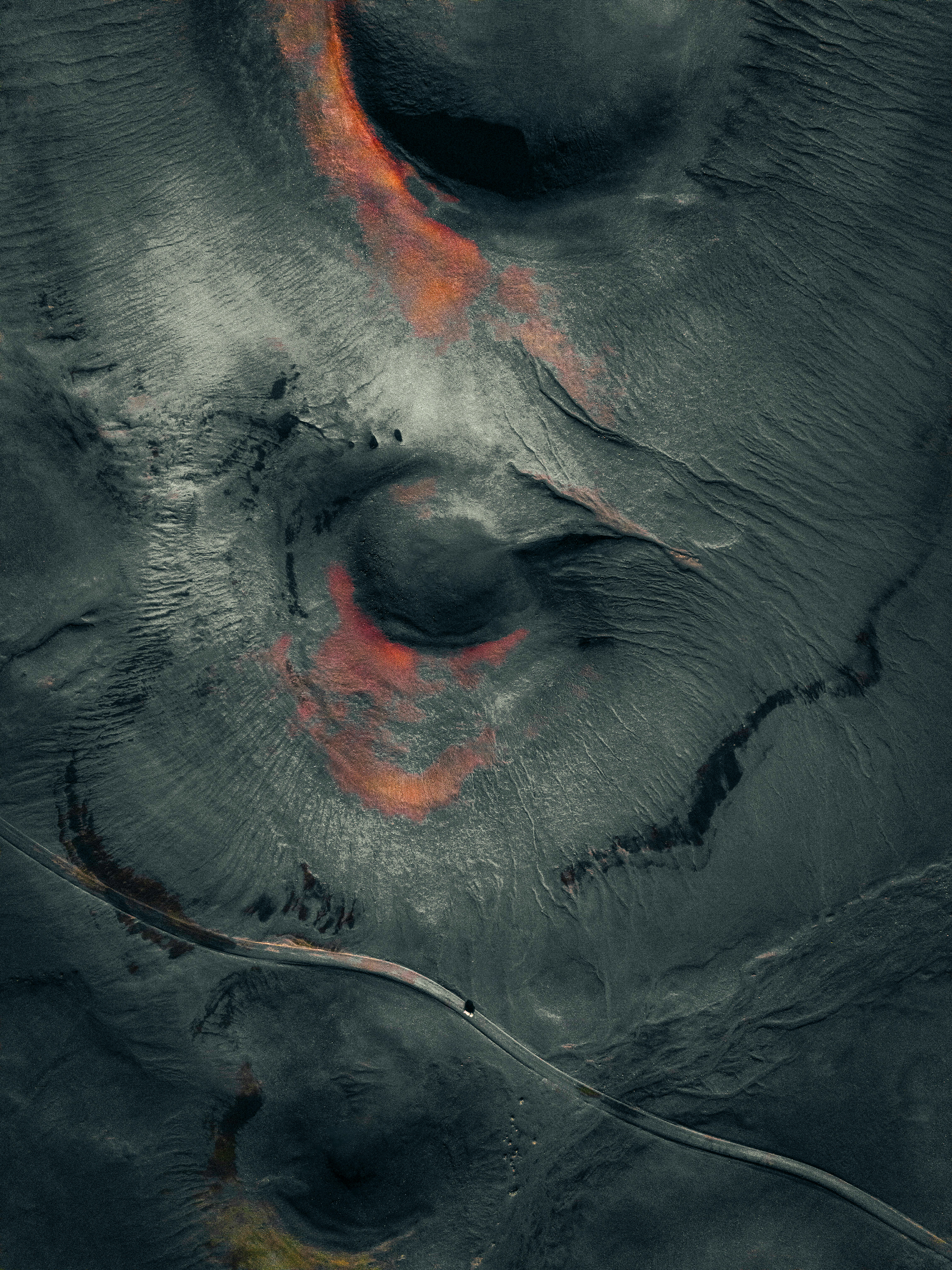
The lone vehicle emphasizes the vastness and solitude against the vast terrain, underscoring Iceland’s signature aesthetic—where human presence feels fleeting against nature’s permanence.