
Mesquite Flat Sand Dunes, Death Valley National Park, USA
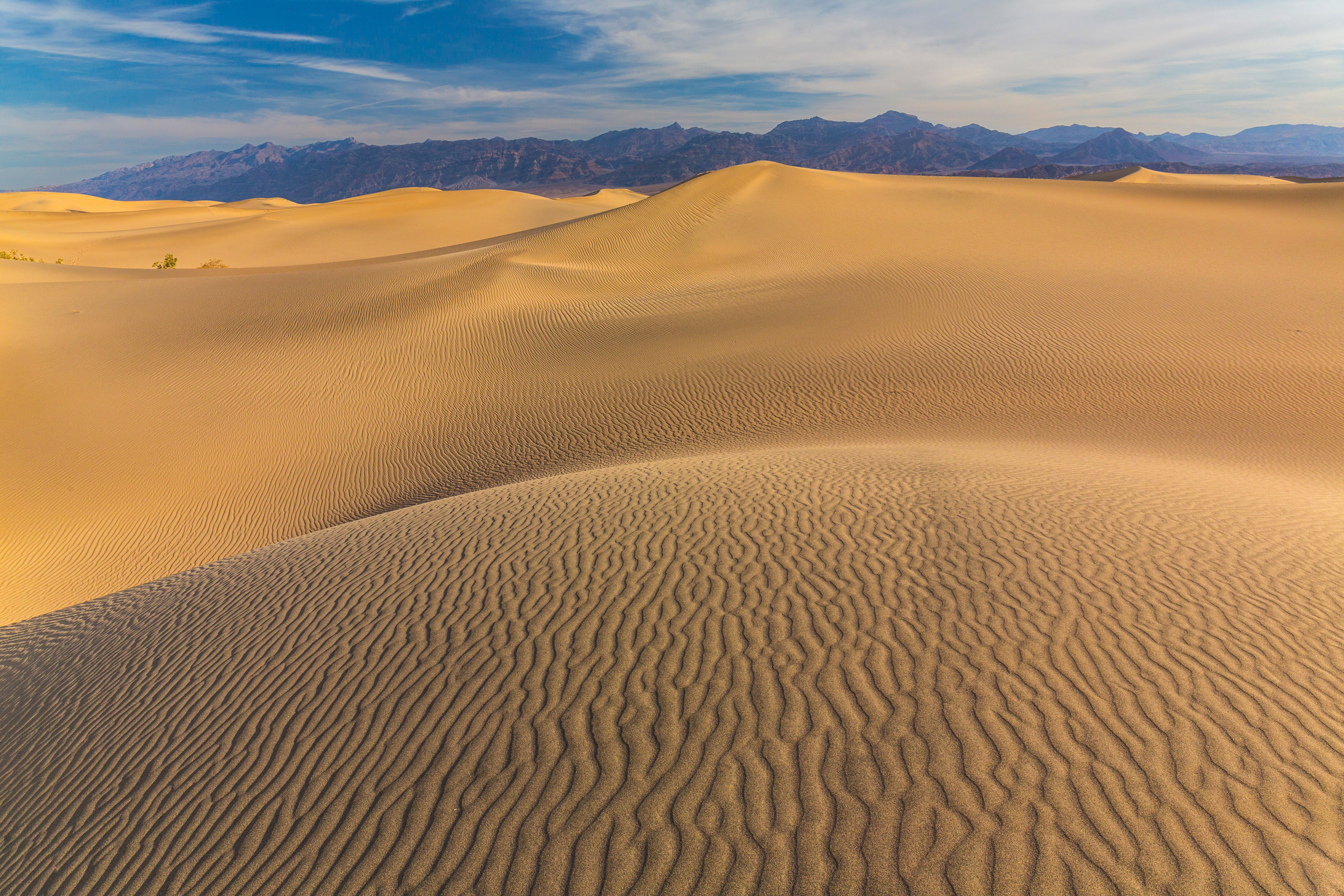
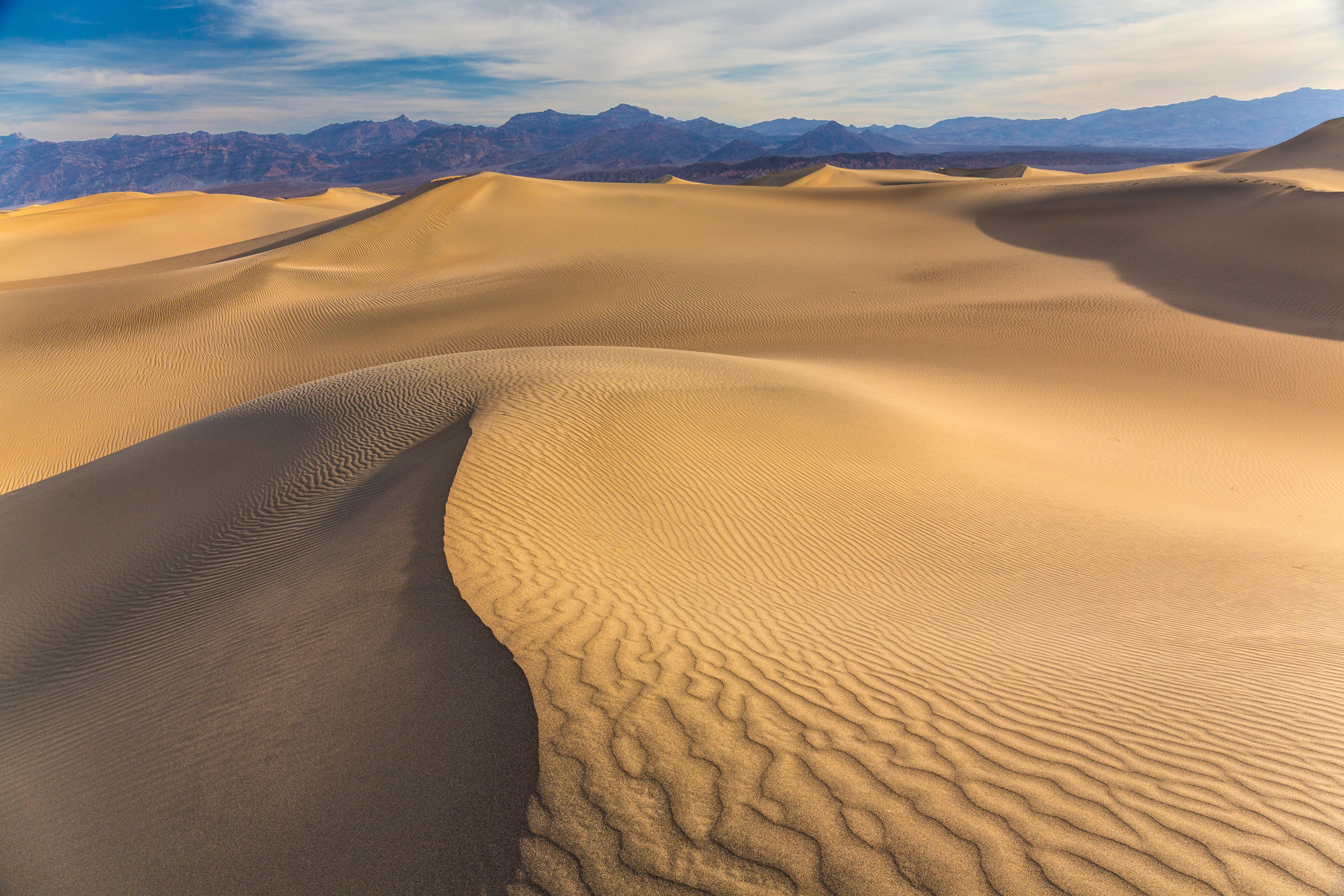
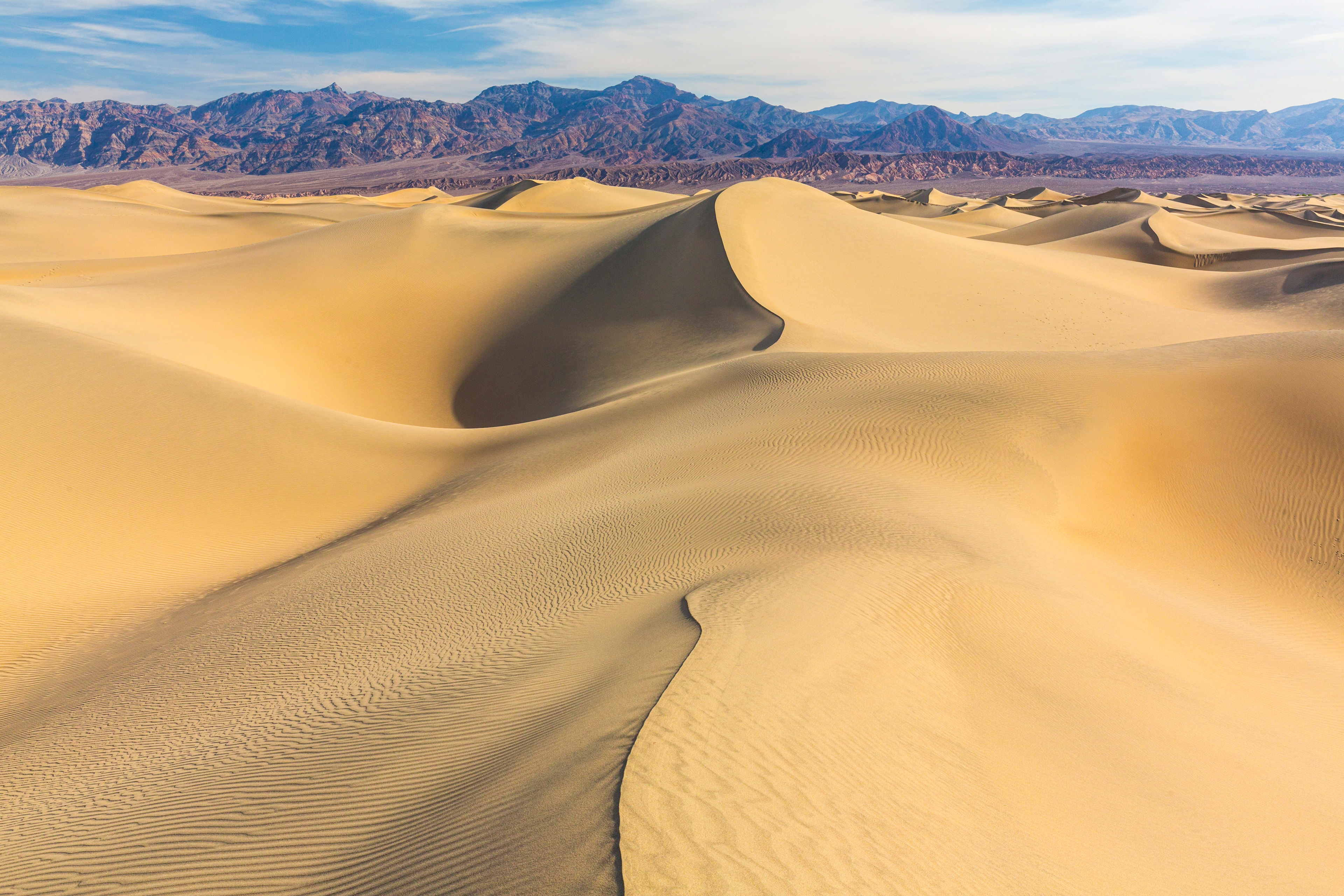
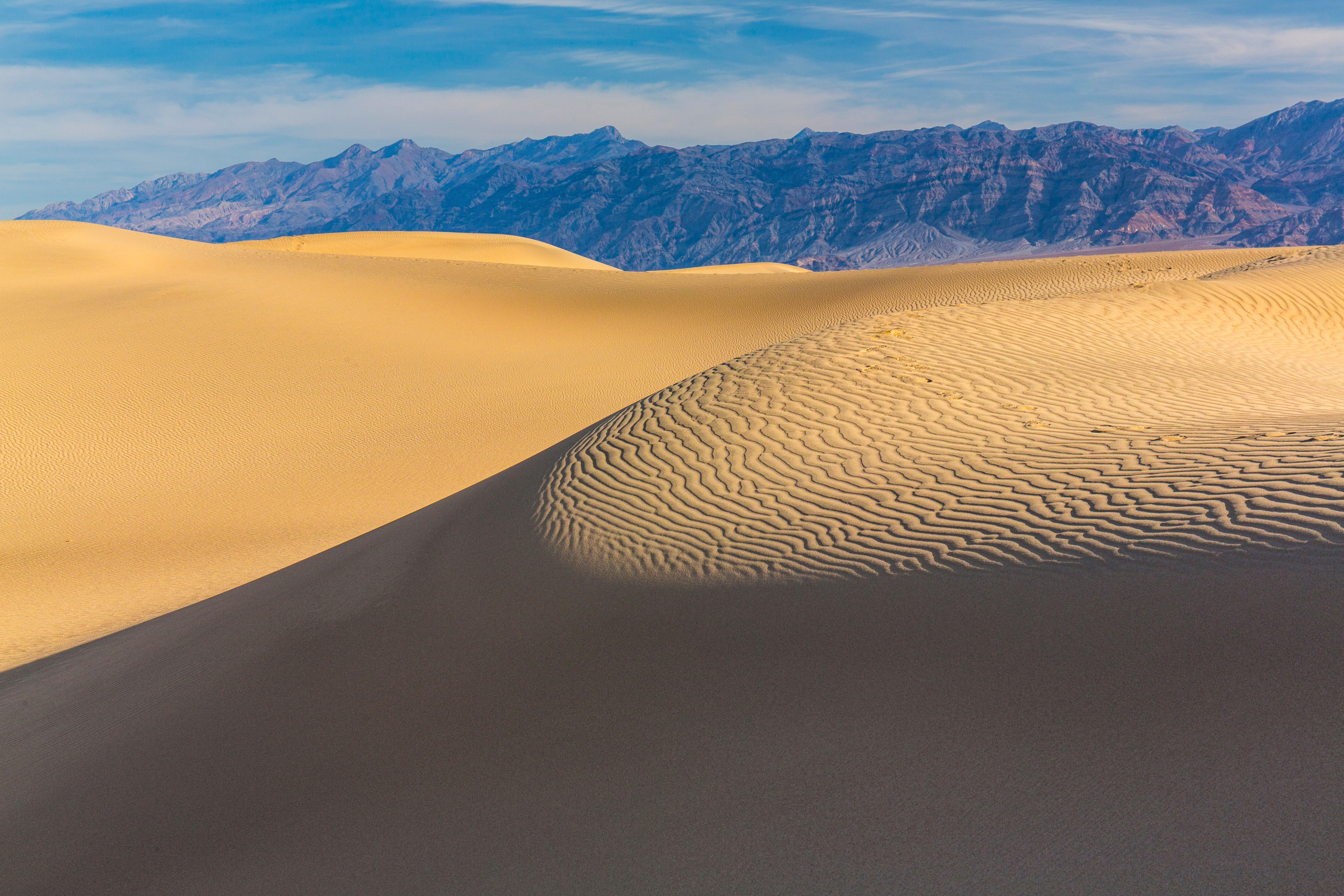
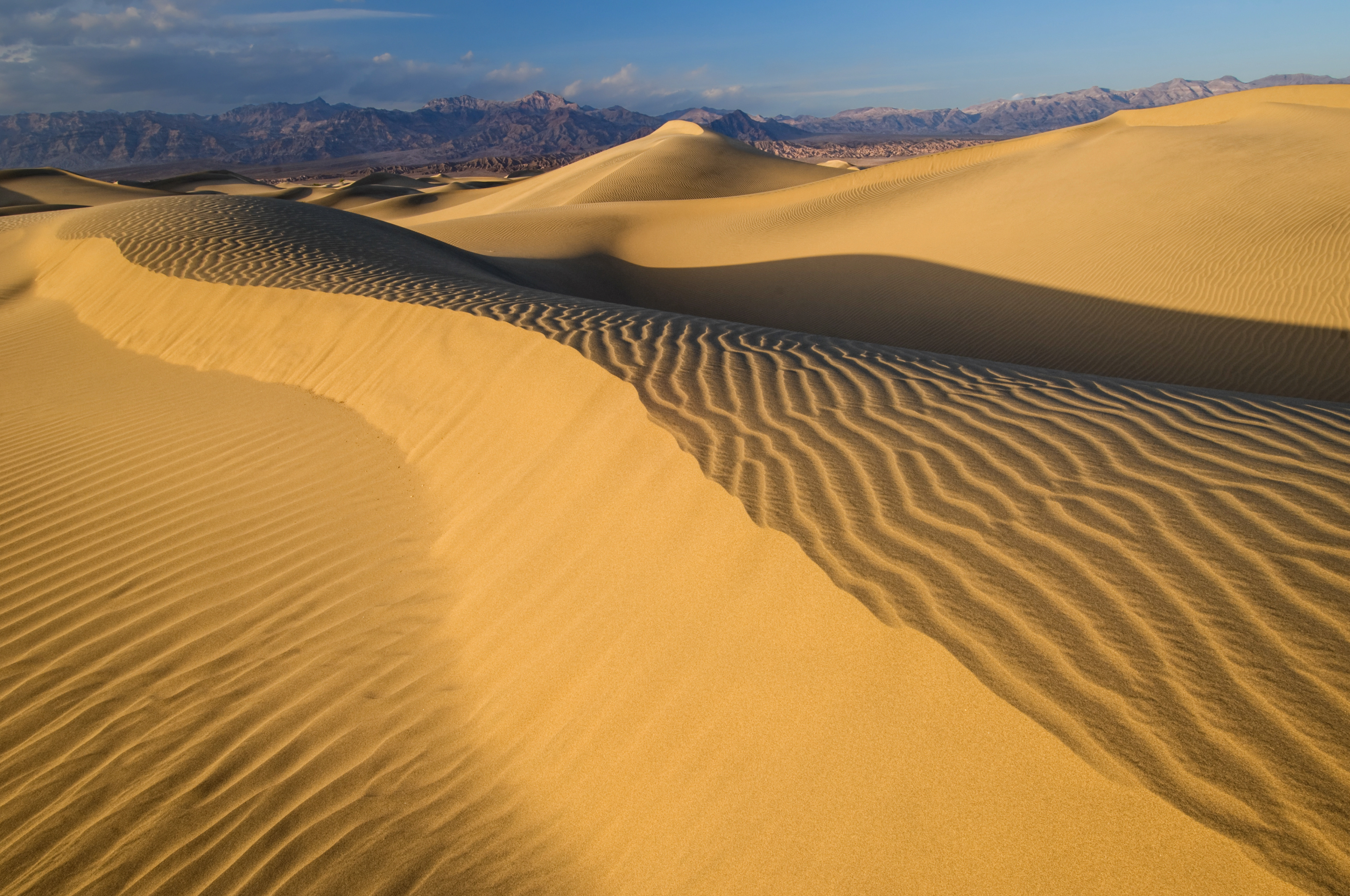
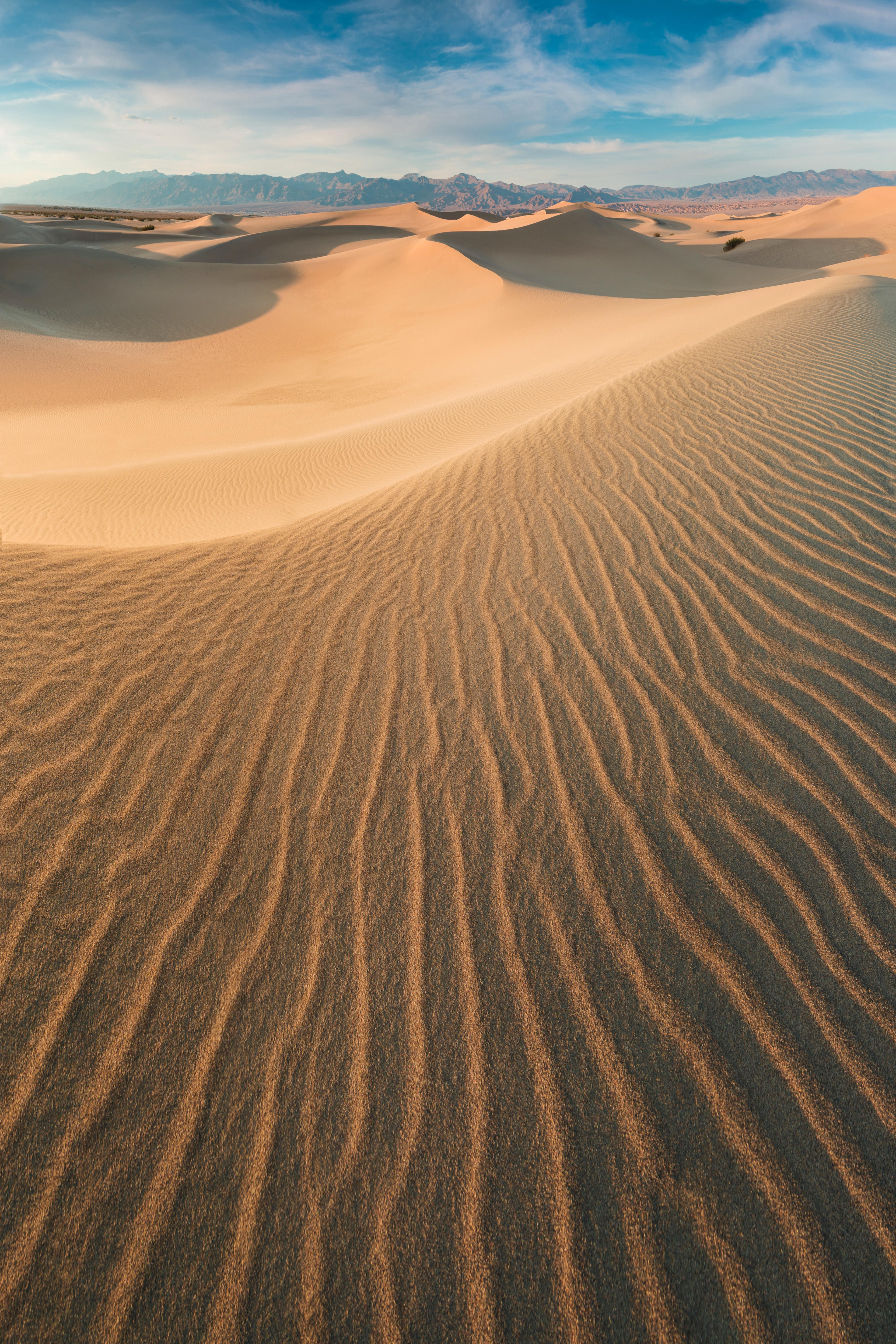
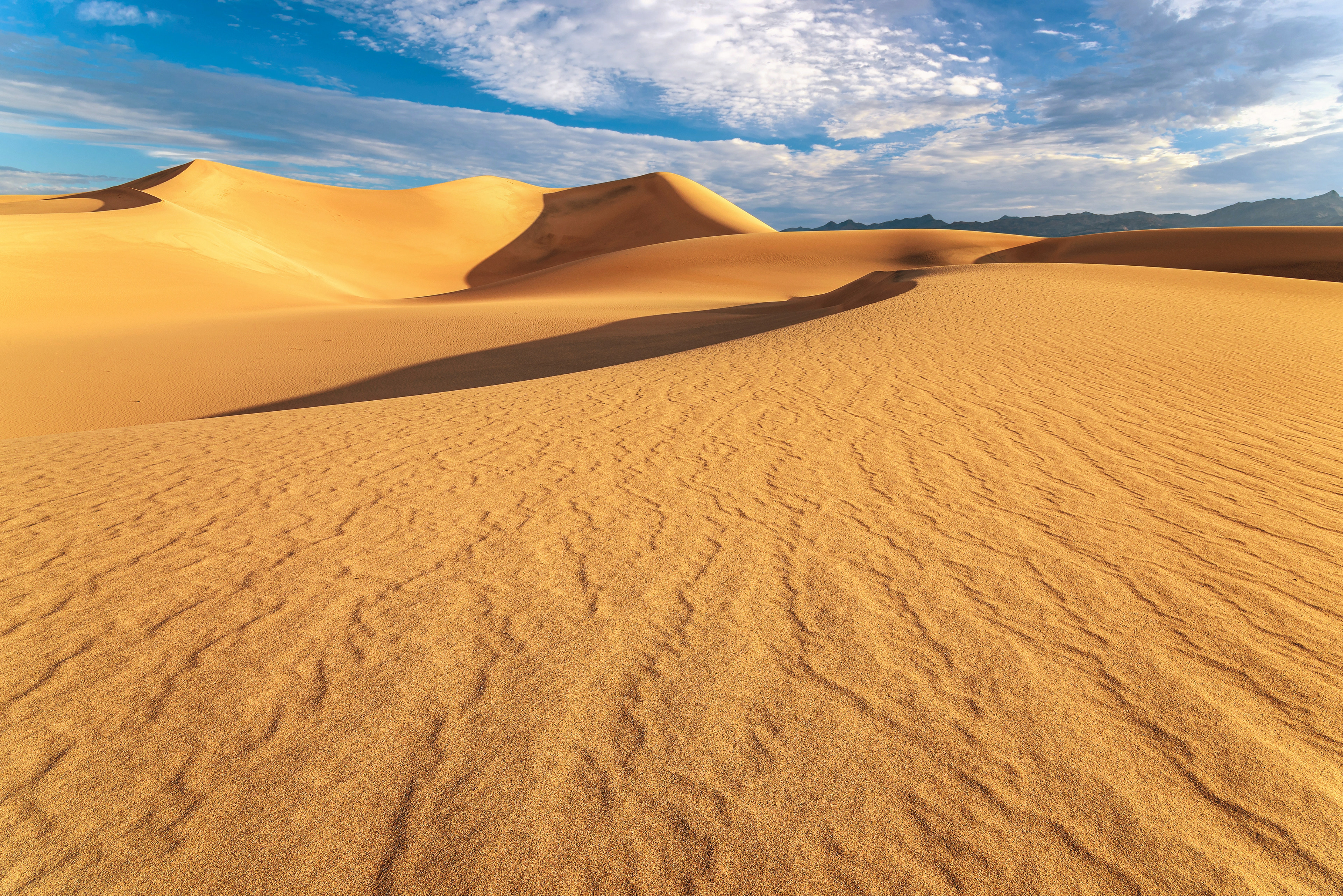
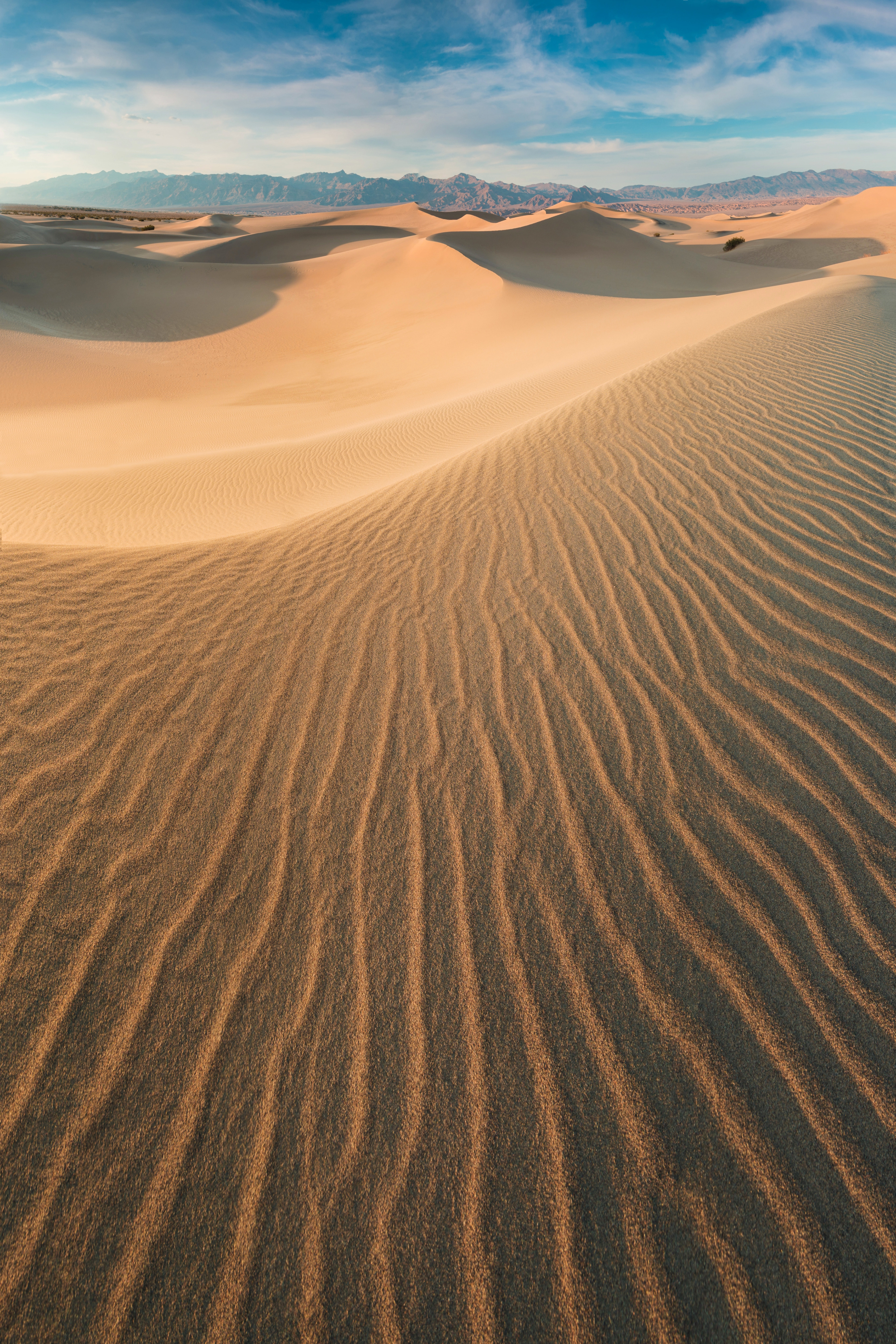
Mesquite Flat Sand Dunes formed by the interaction of prevailing winds funneled through Death Valley, where quartz-rich sand accumulates into crescentic and linear dune forms. The foreground ripple marks record recent wind direction, while the larger dune ridges and slip faces reflect long‑term sediment transport shaped by the valley's extreme aridity and temperature gradients. The distant Panamint Mountains serve as both a sediment source and a topographic barrier, helping trap sand within the basin.
Chasing horizons that keep unfolding.
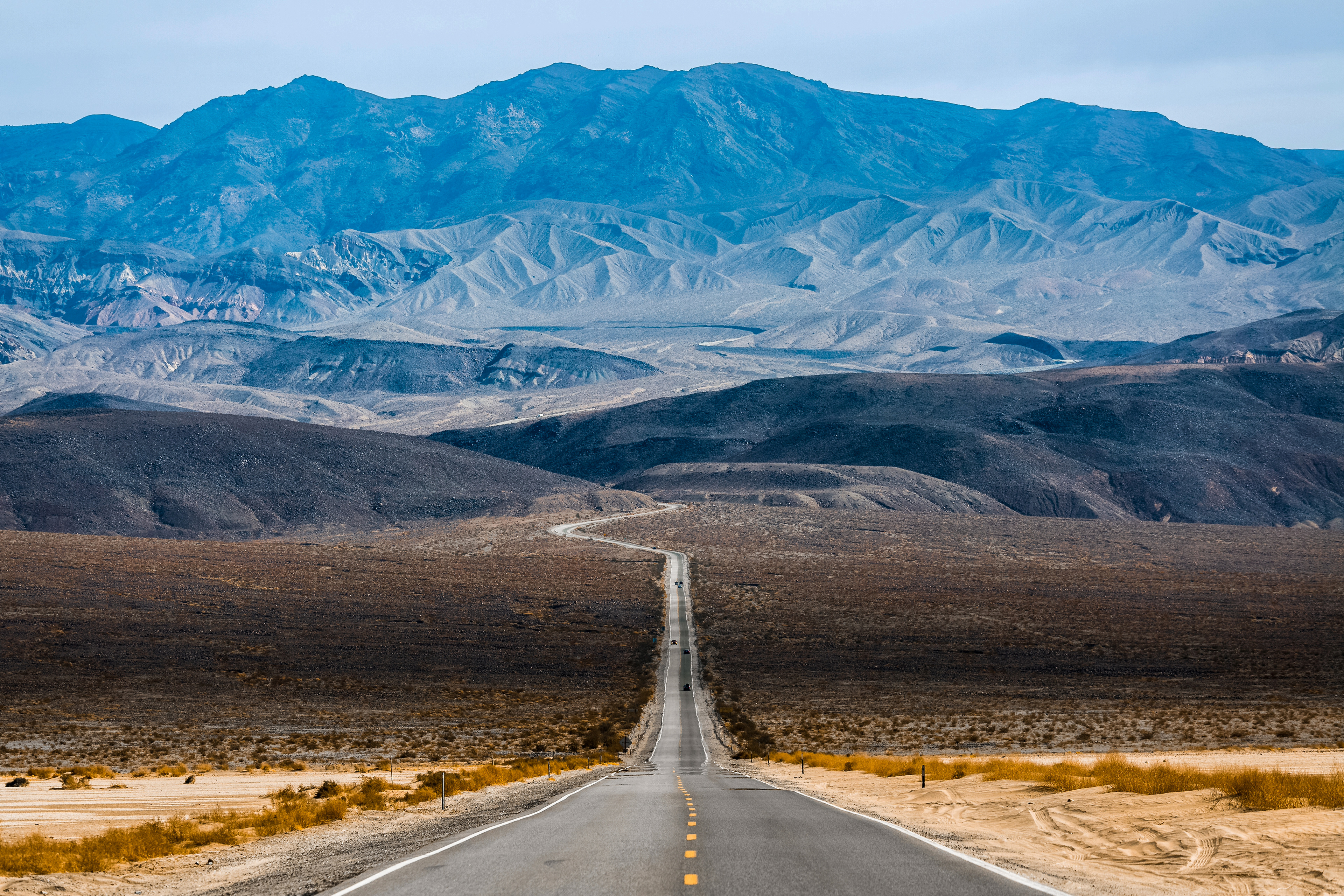
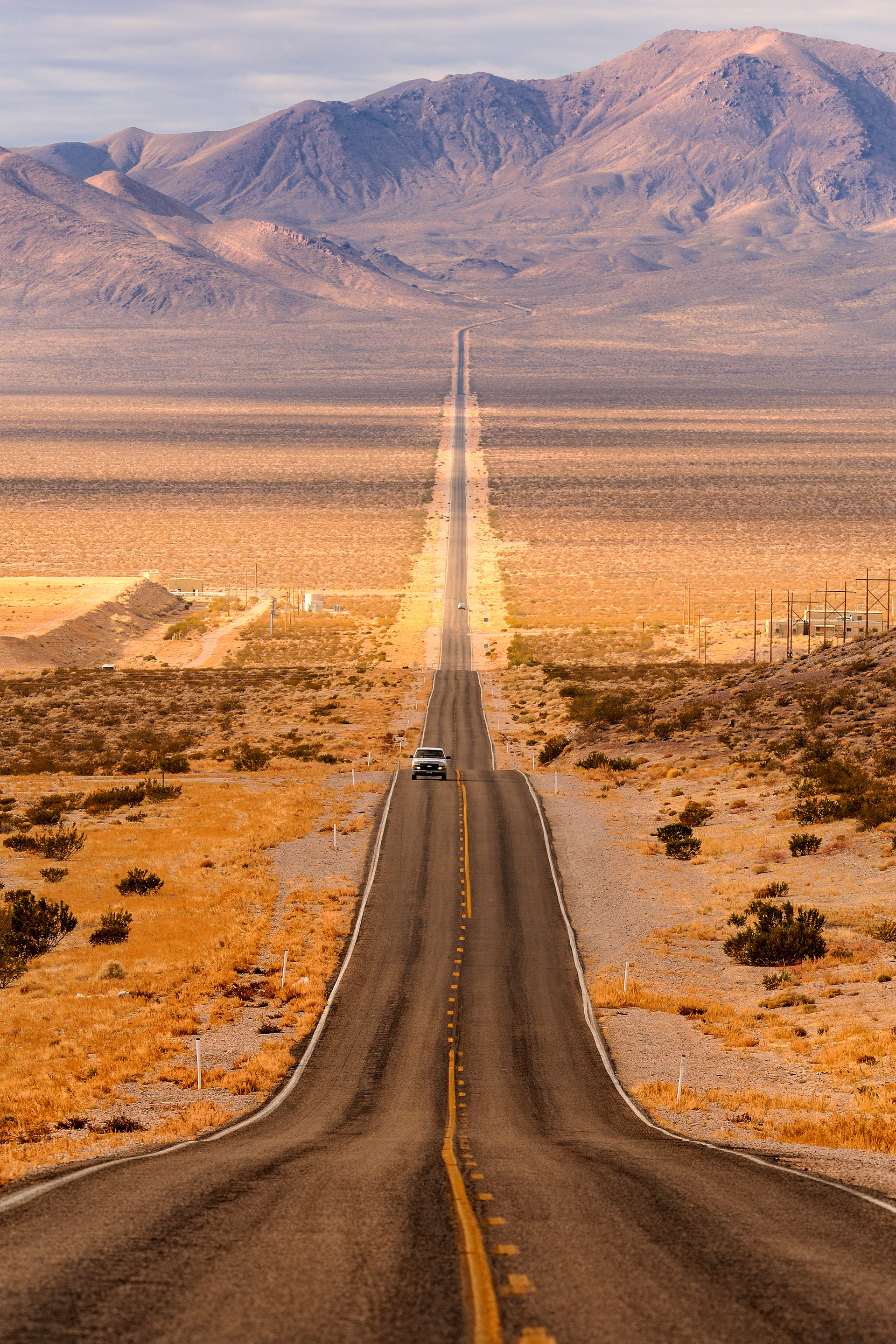
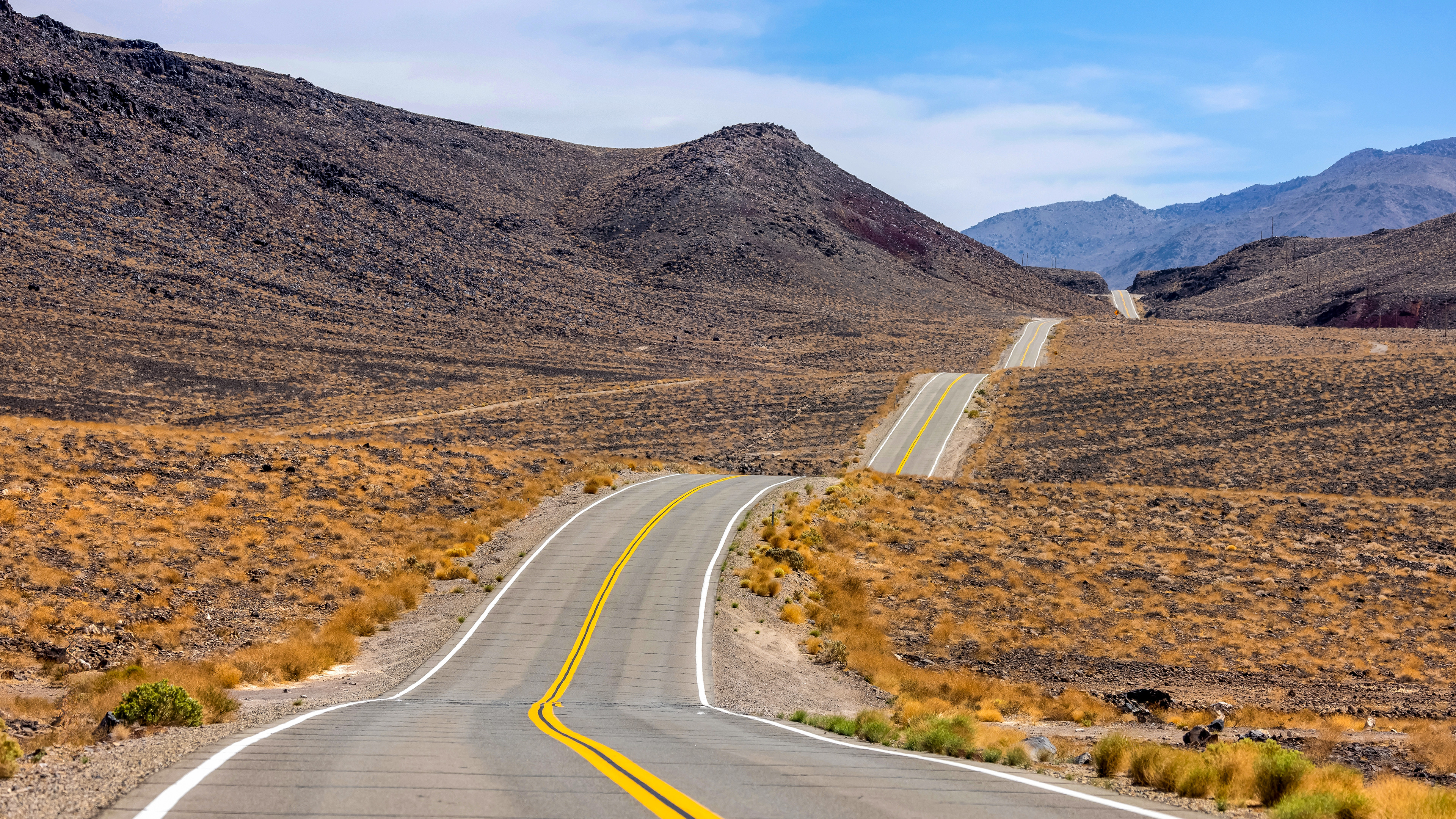
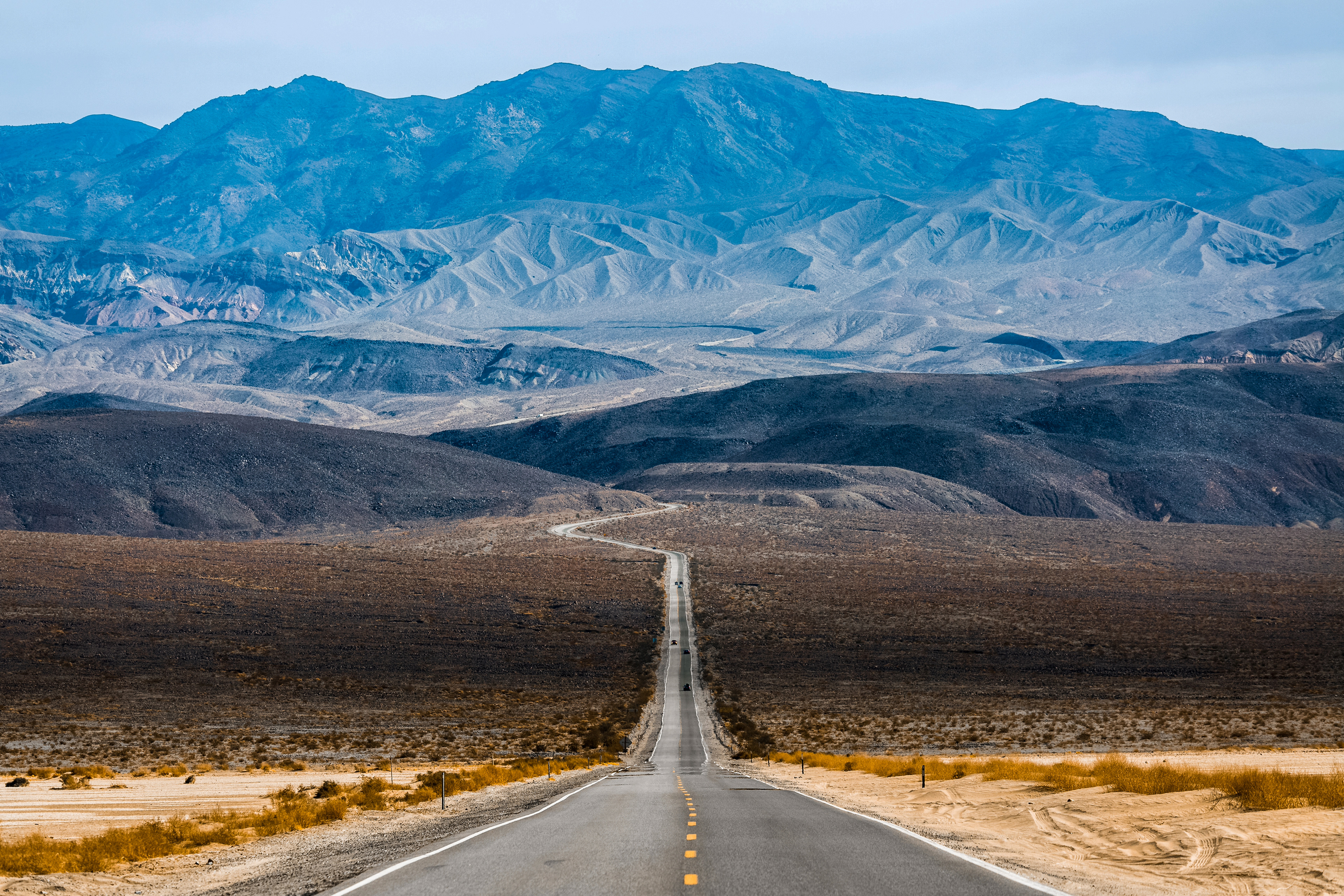
A solitary ribbon of asphalt drifts through a sun‑bleached desert, winding toward blue mountains that rise like a quiet promise at the edge of the world.
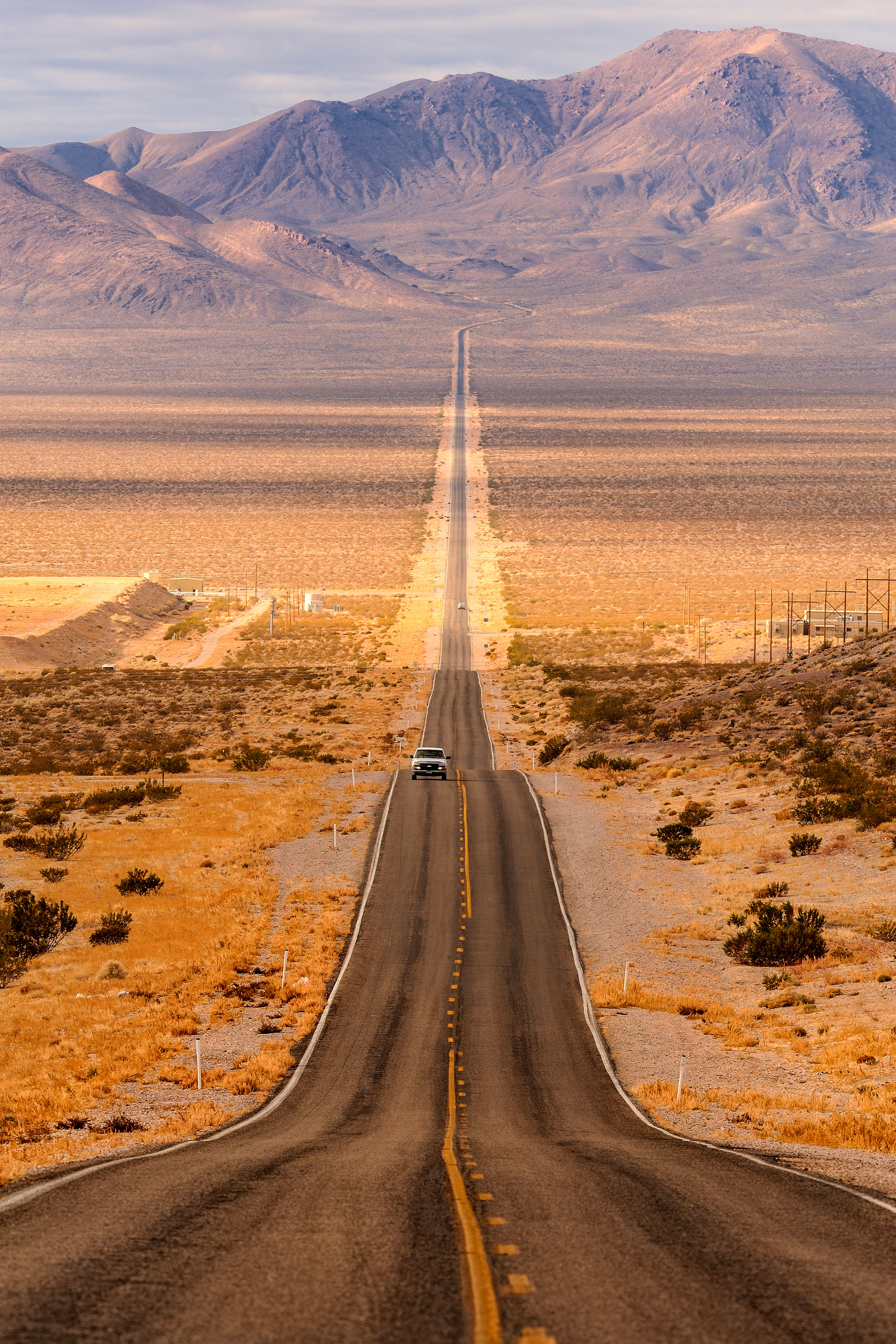
A solitary highway stretching across the desert, drawing the eye toward a quiet horizon of rock and rising peaks.
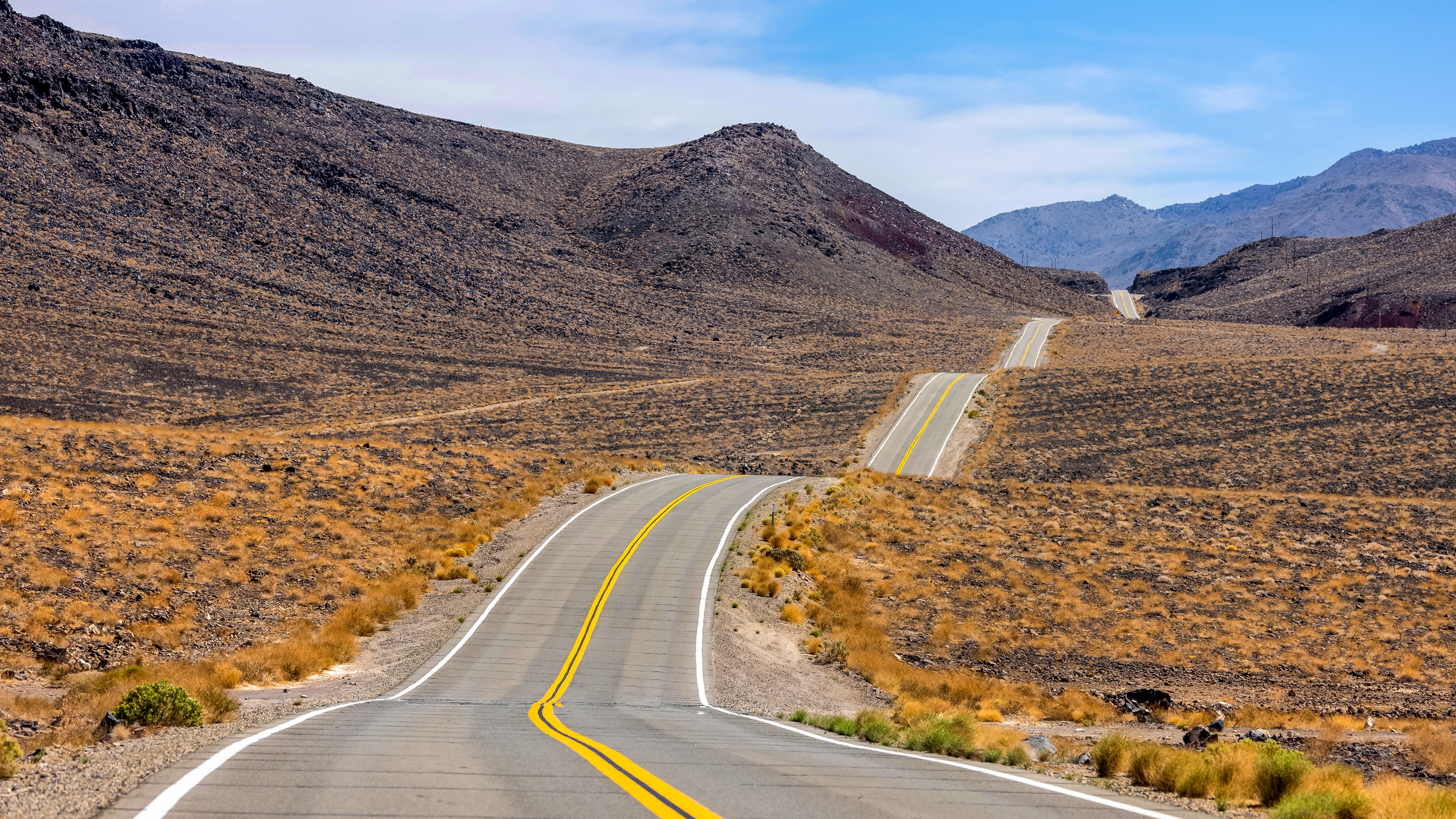
The long road through quiet earth.
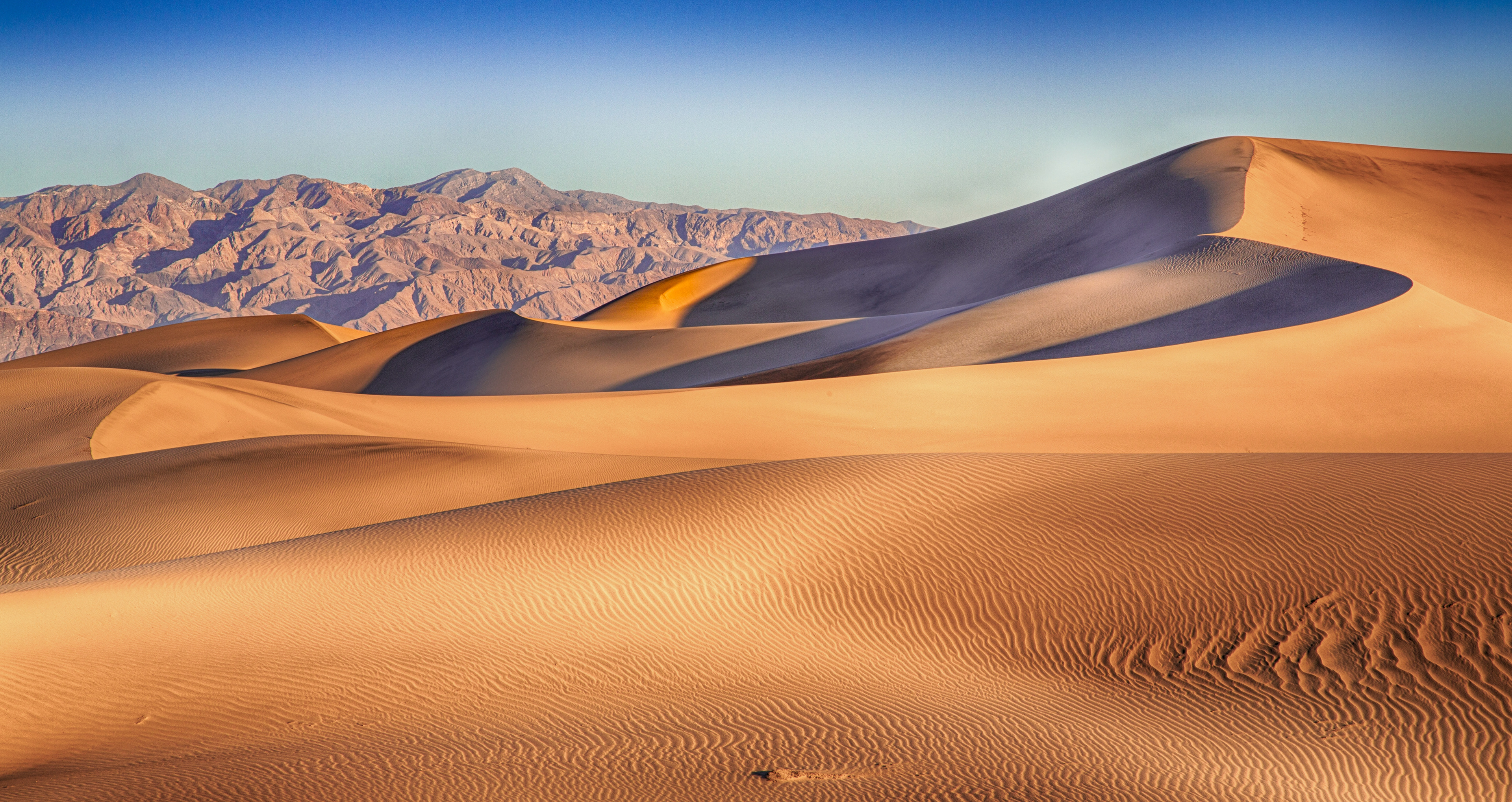
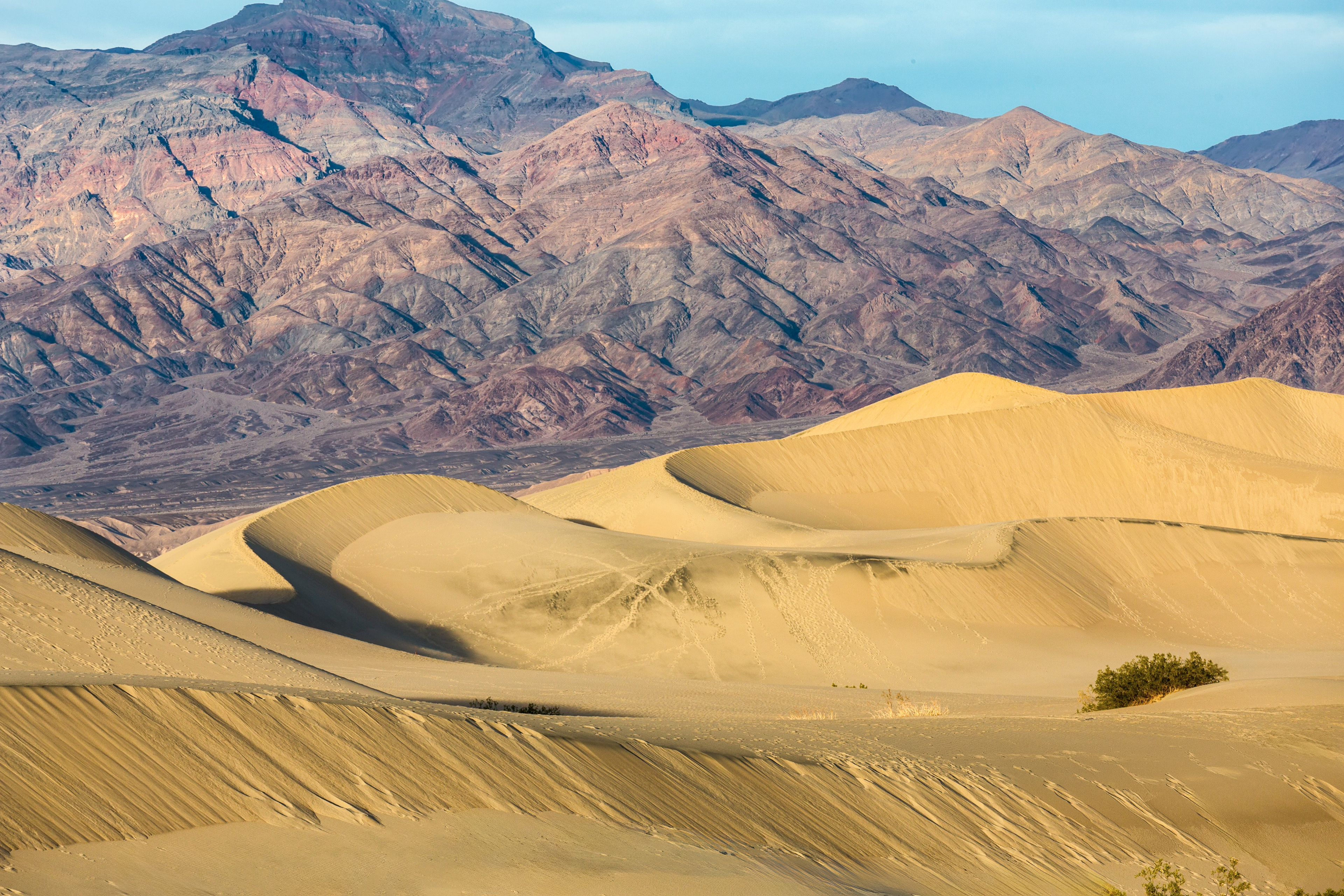
Mesquite Flat Sand Dunes, where wind‑carved ripples meet towering dune ridges and the distant Panamint Mountains—an ever‑shifting desert sculpture shaped by light, shadow, and time.
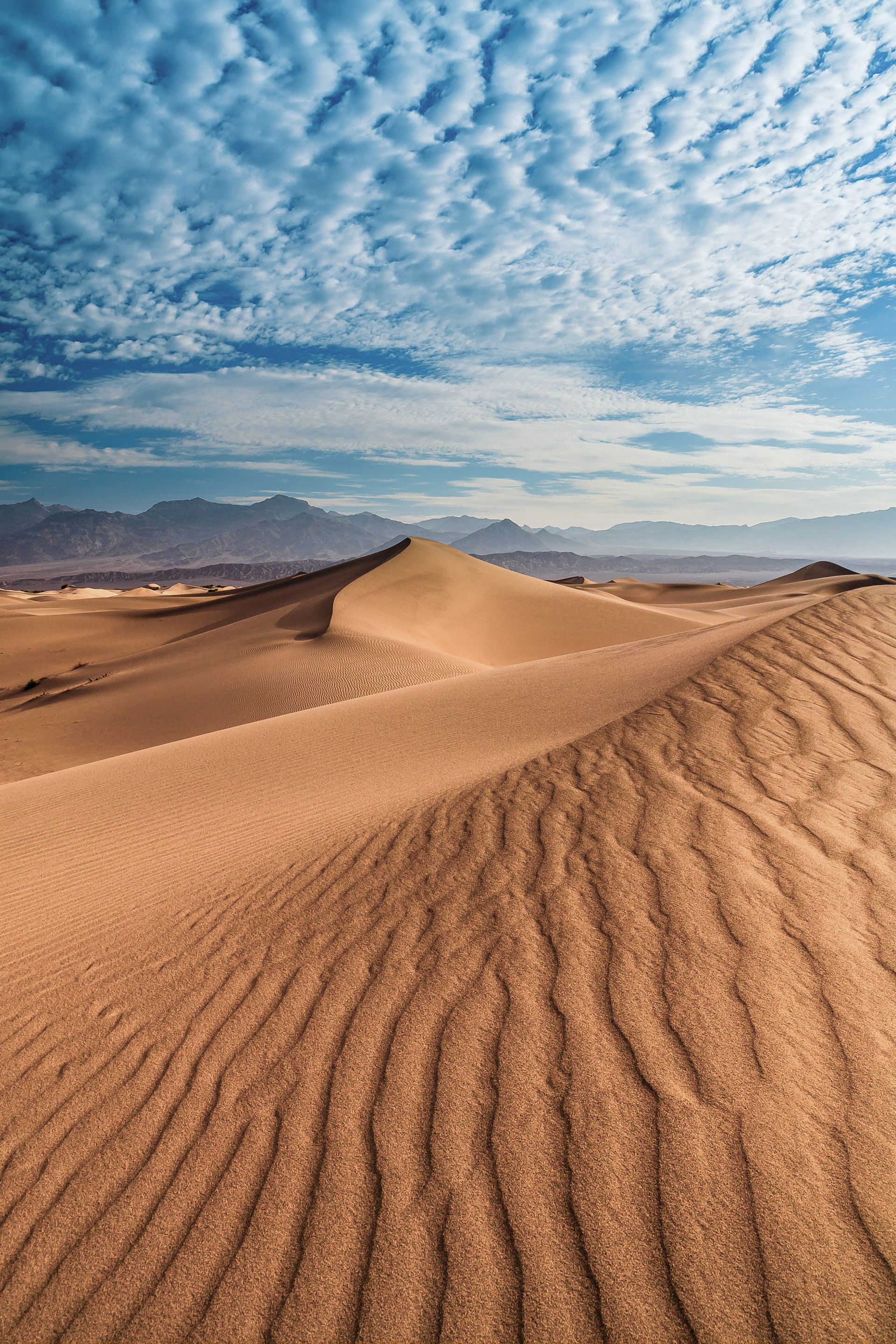
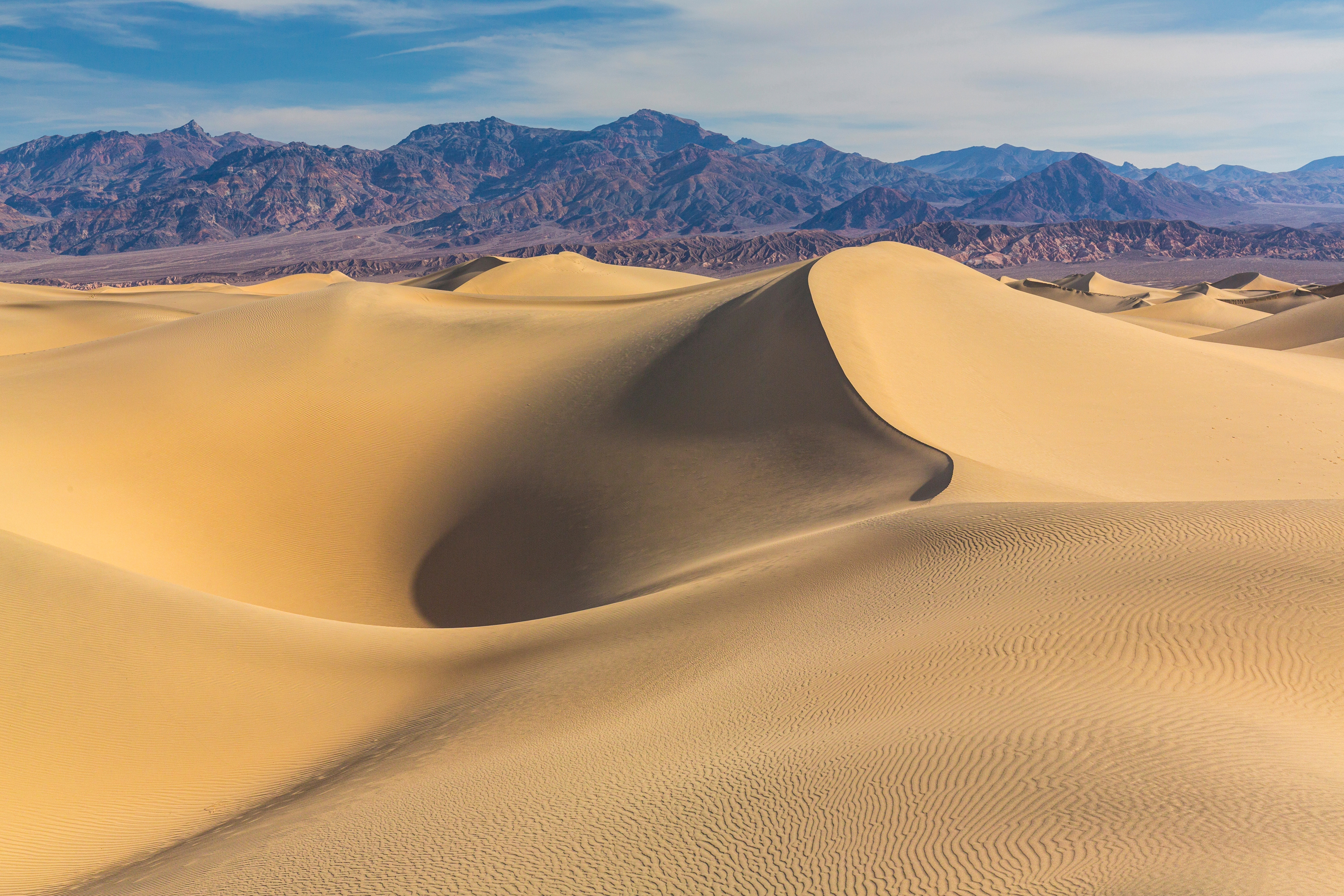
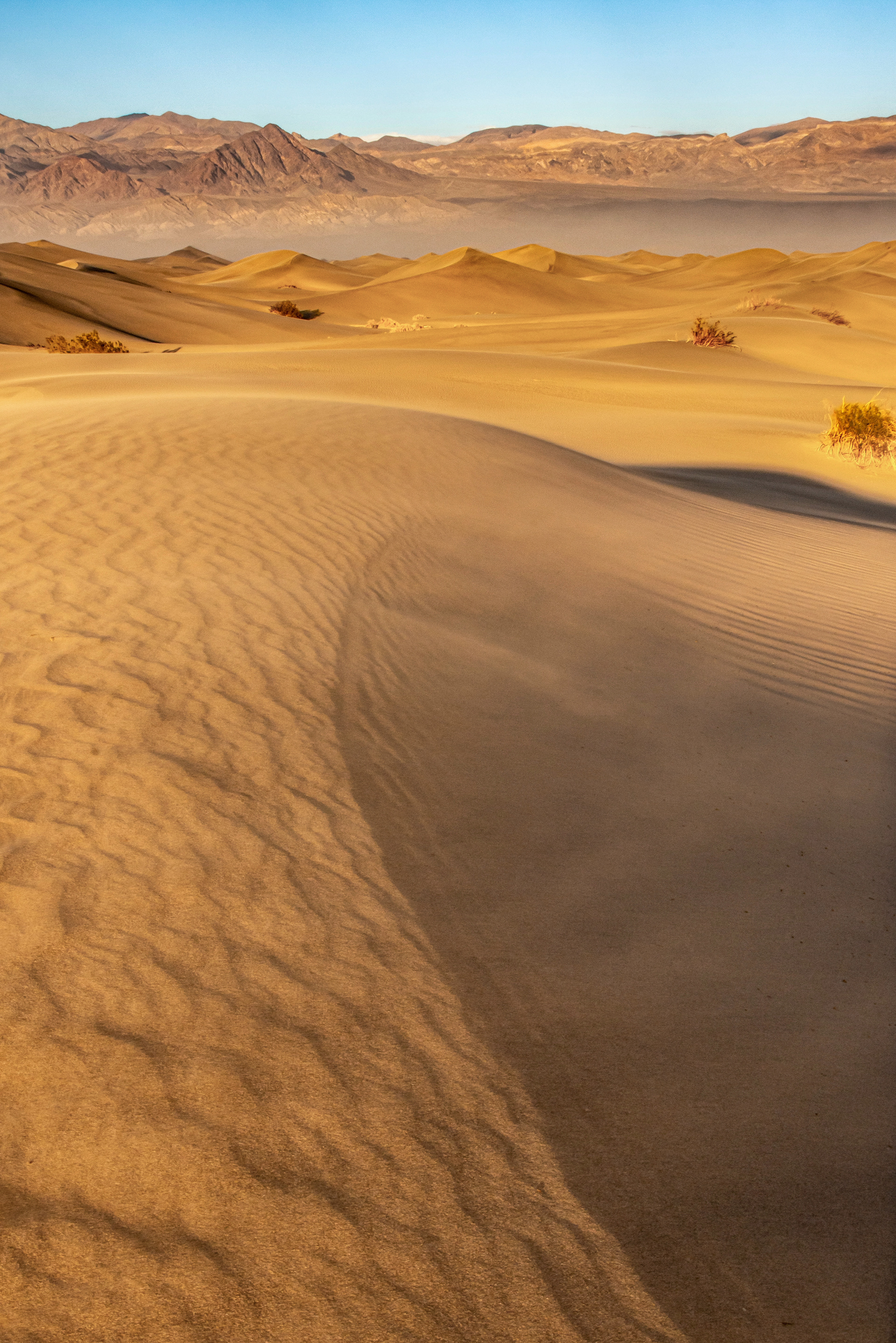
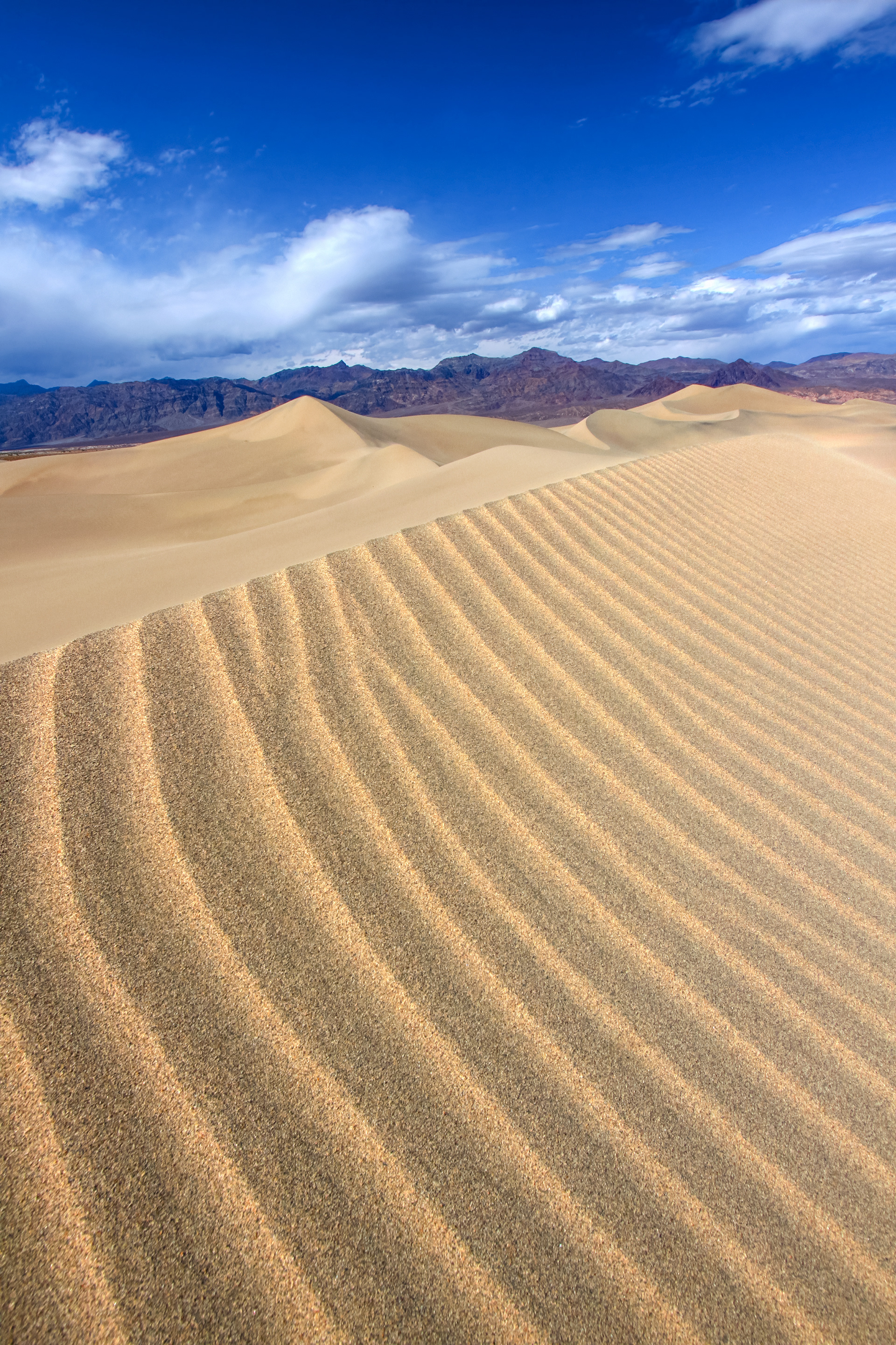
Lost in the vastness of the hottest, driest place and among one of the lowest points in North America. The ever-changing peaks of the Mesquite Flat Sand Dunes, framed by the distant Grapevine Mountains.
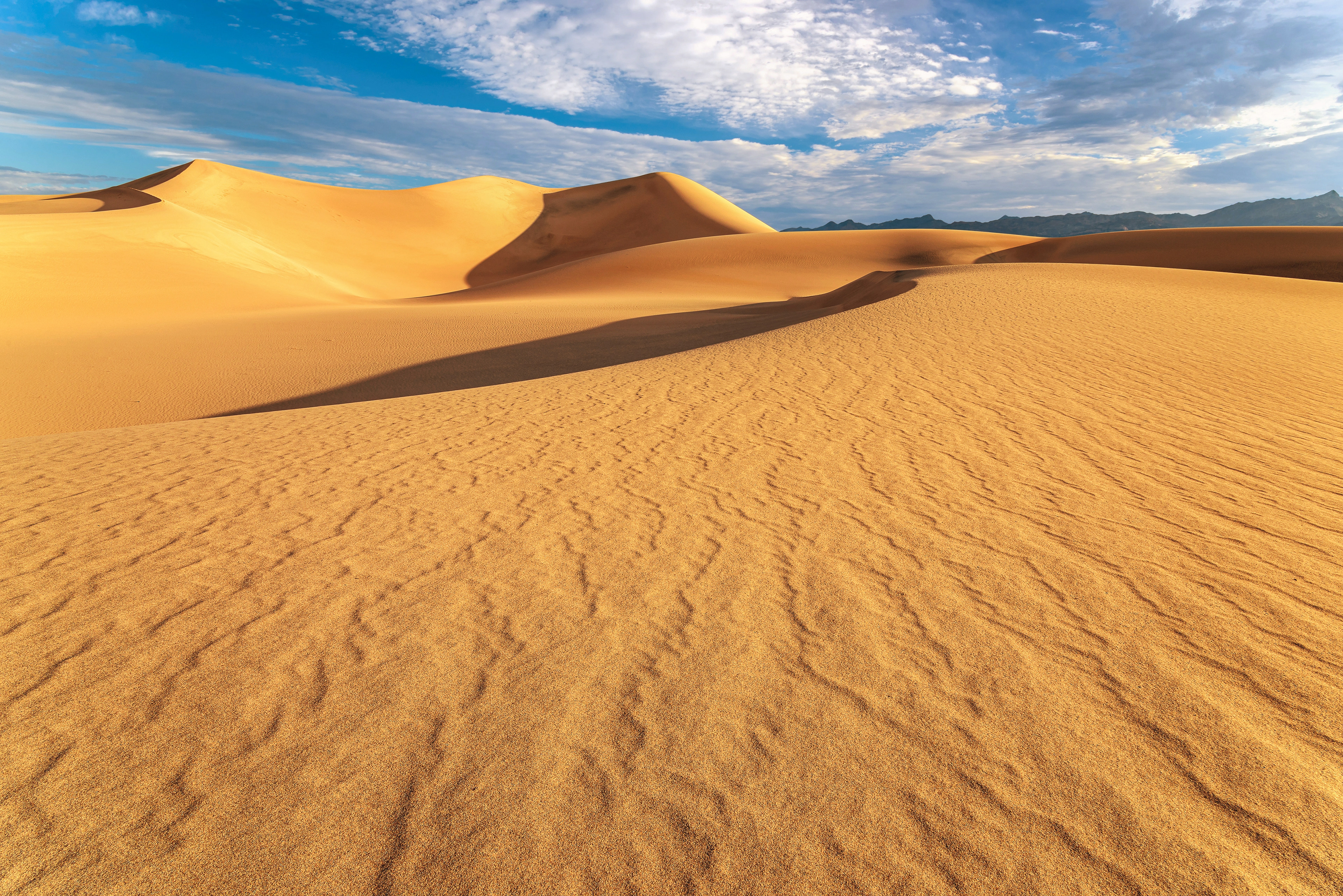
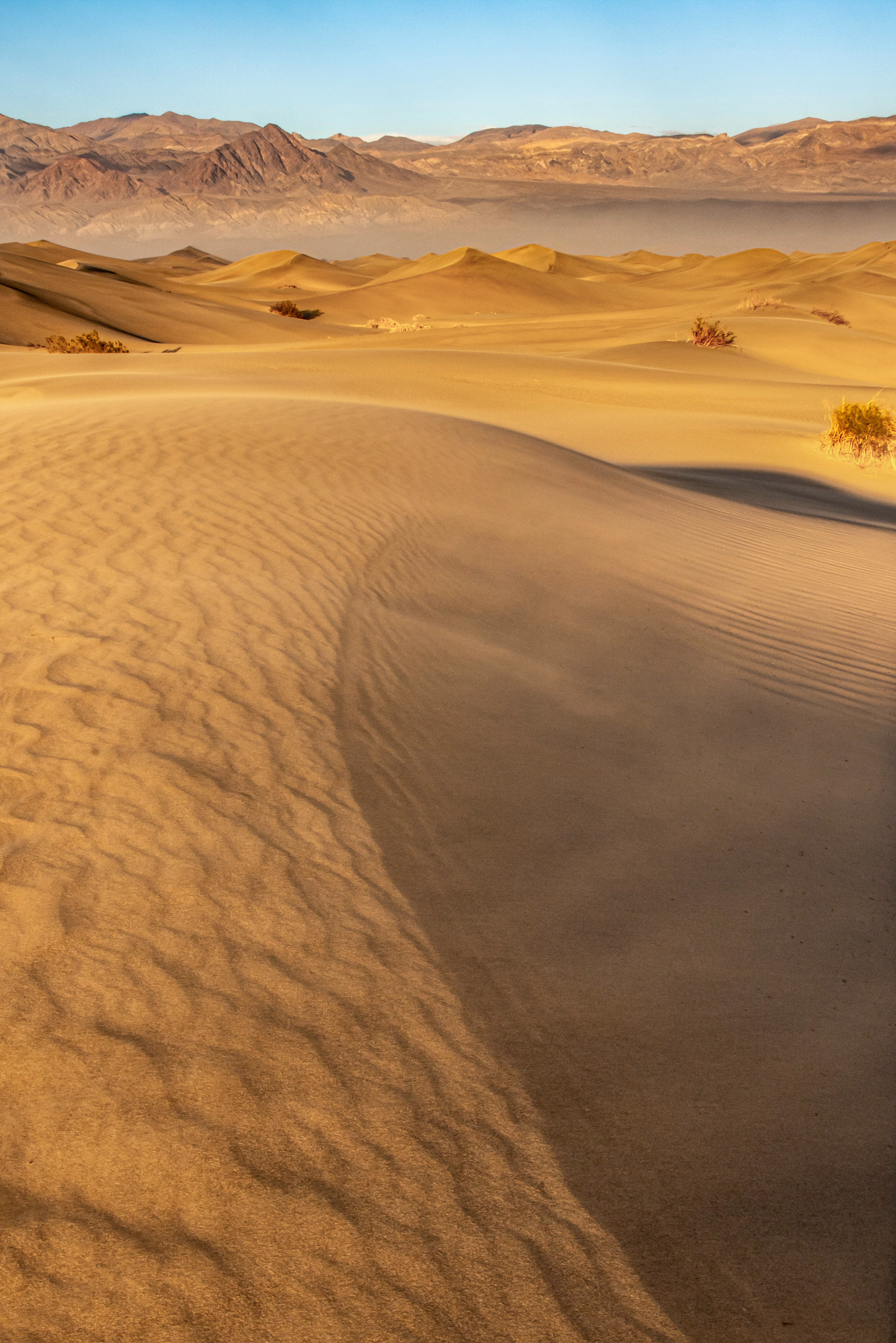
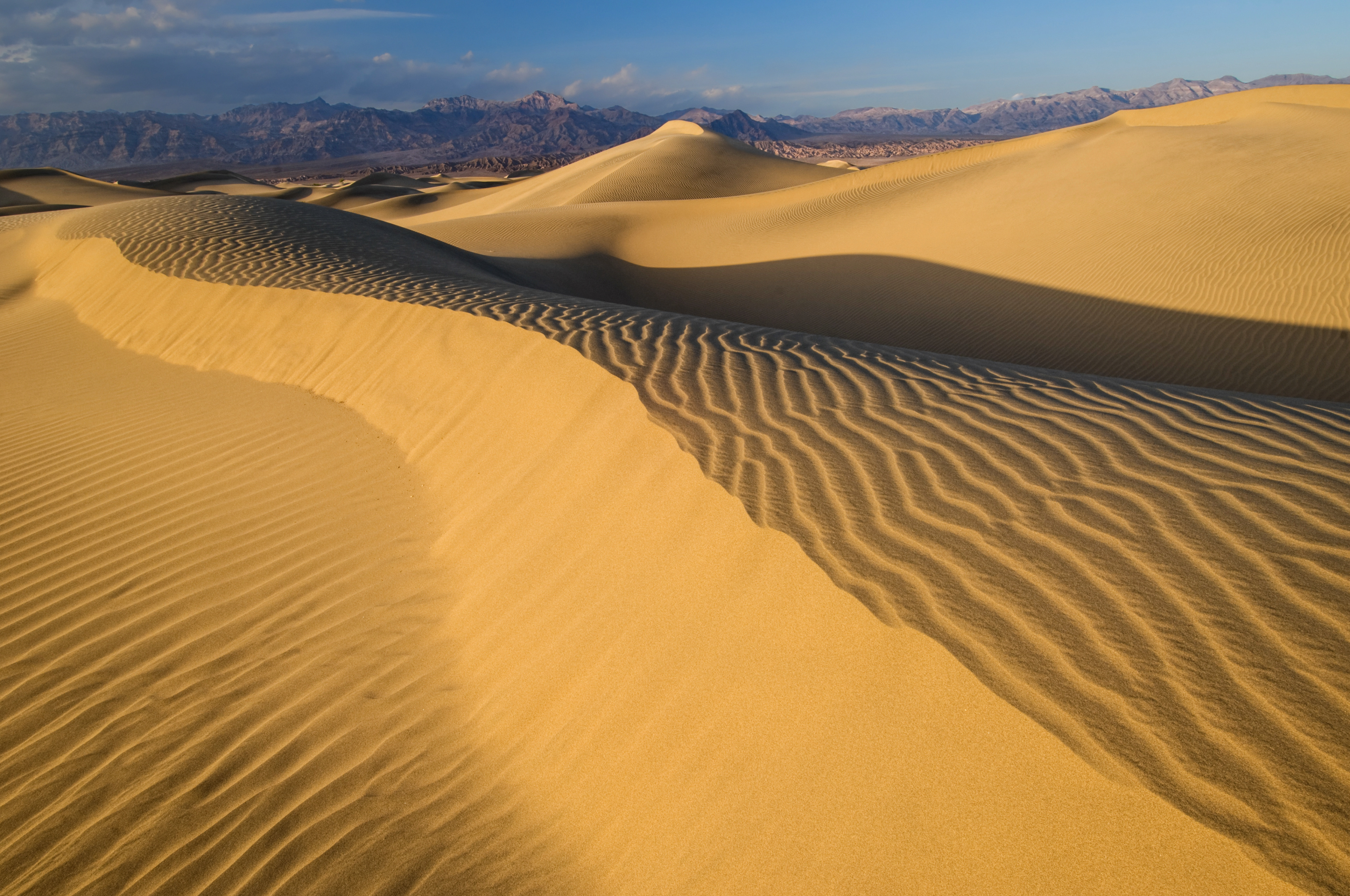
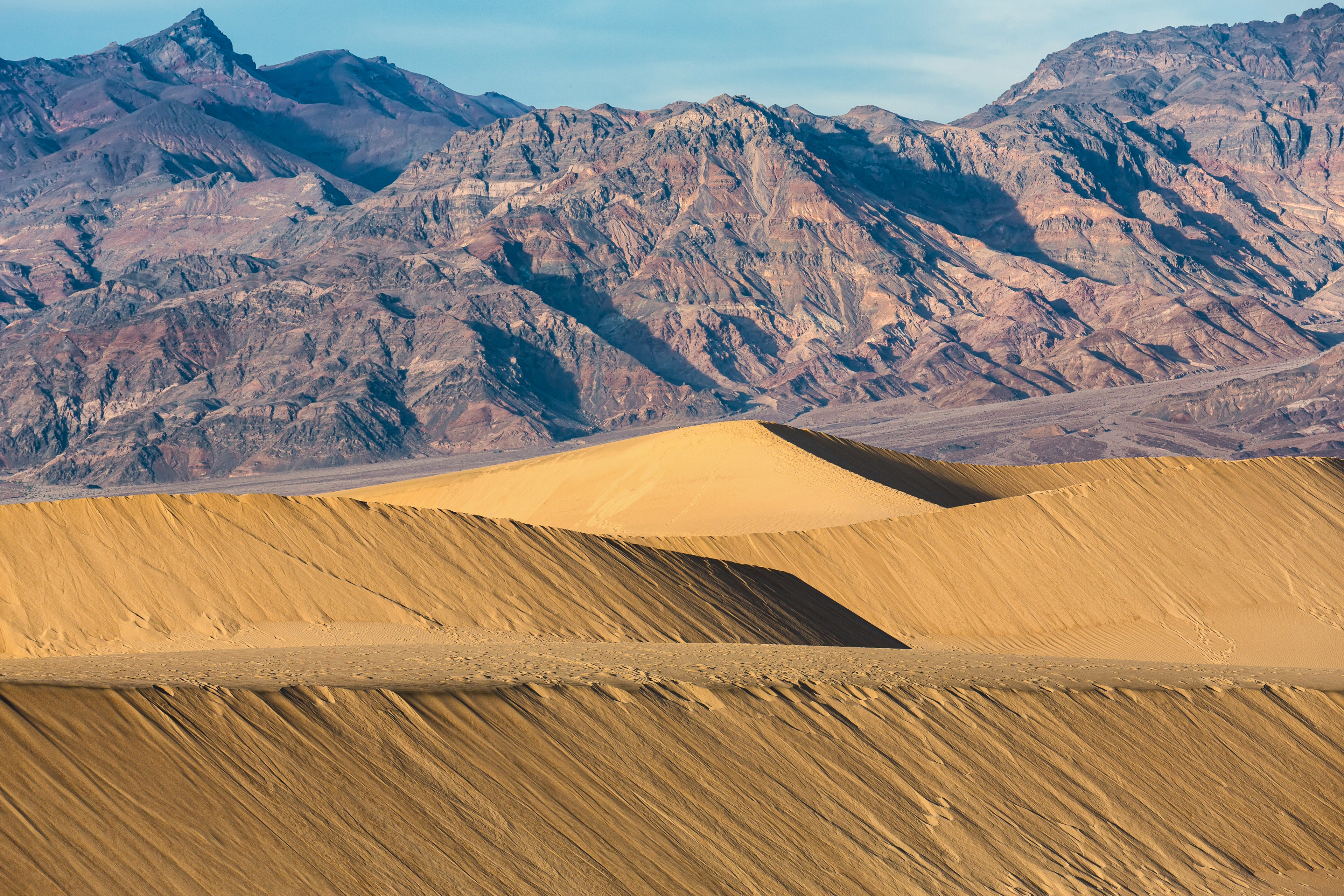
Light and shadow carve through the dunes at Mesquite Flat Sand Dunes, revealing a shifting landscape where texture, form, and silence define the desert's quiet drama.
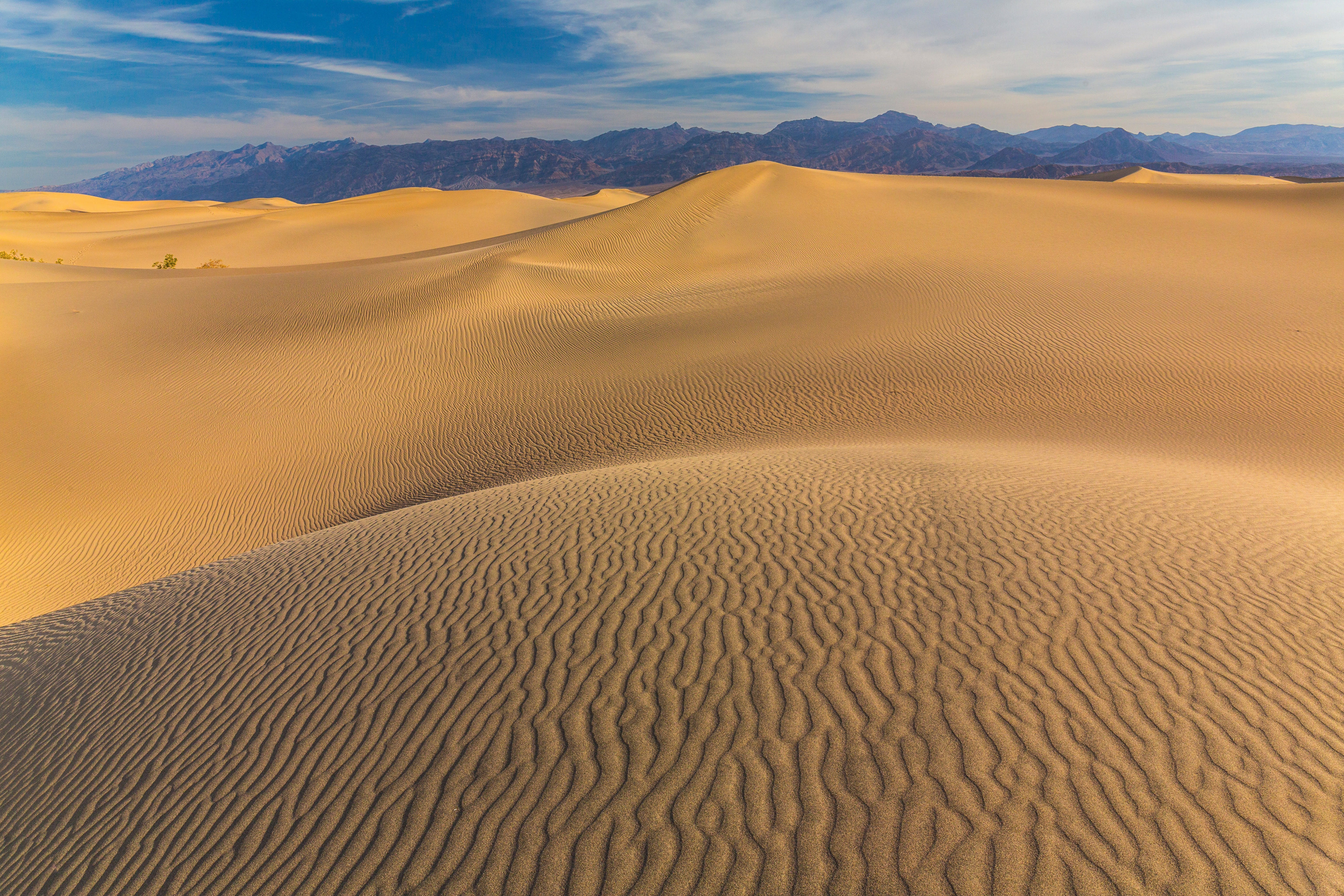
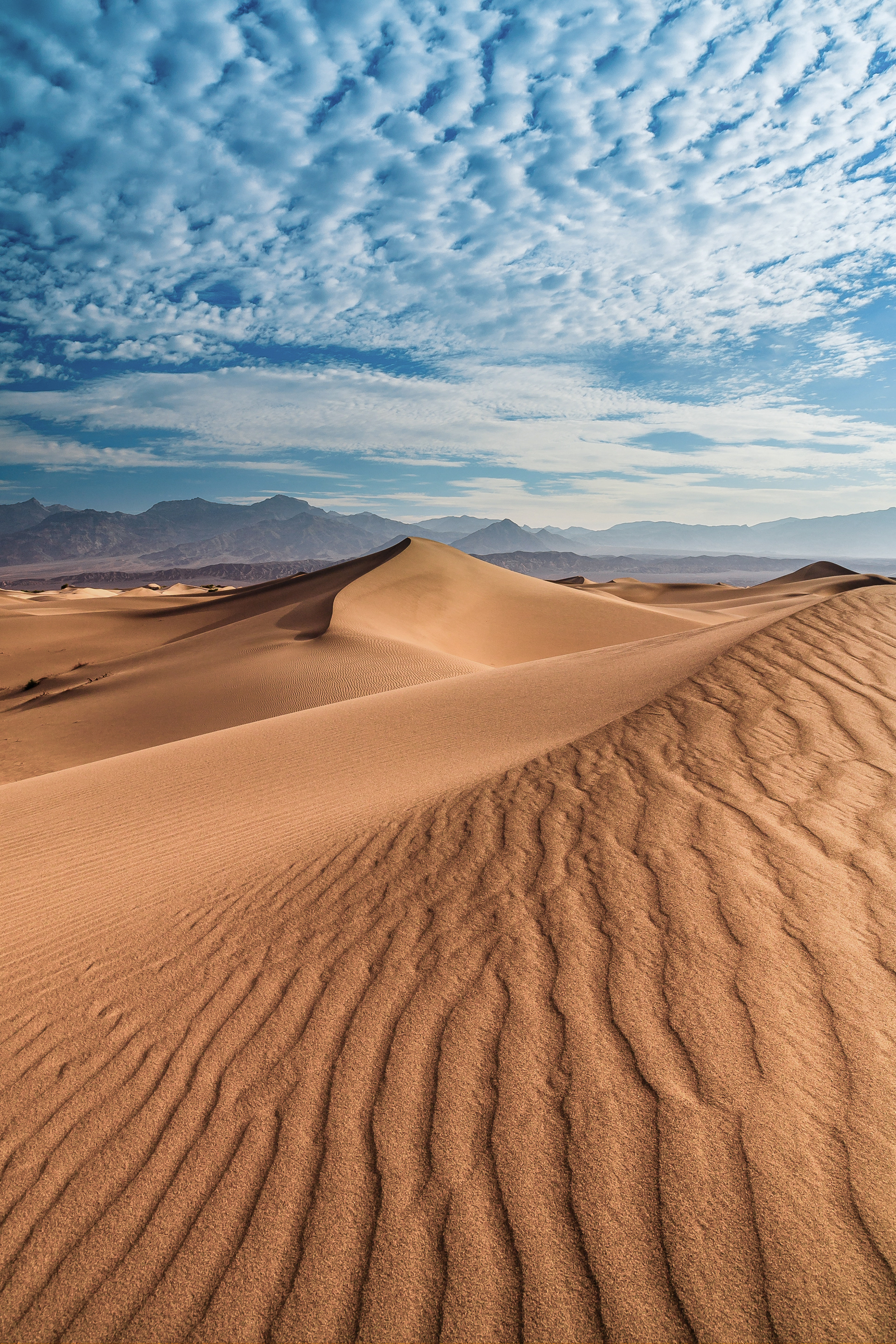
The undulating golden peaks and intricate textures of the Mesquite Flat Sand Dunes at Death Valley National Park, California, are set against the backdrop of the Grapevine Mountains.
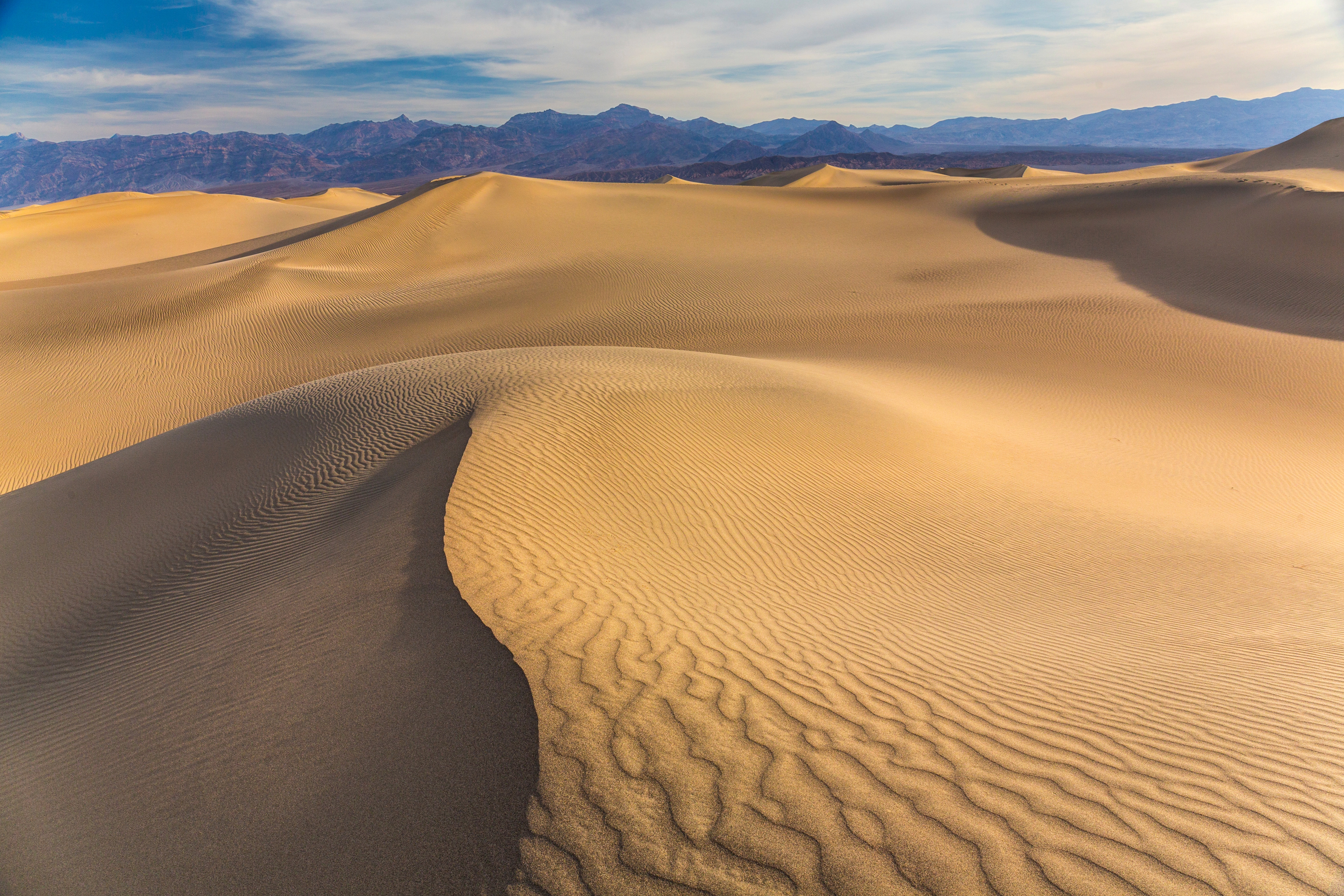
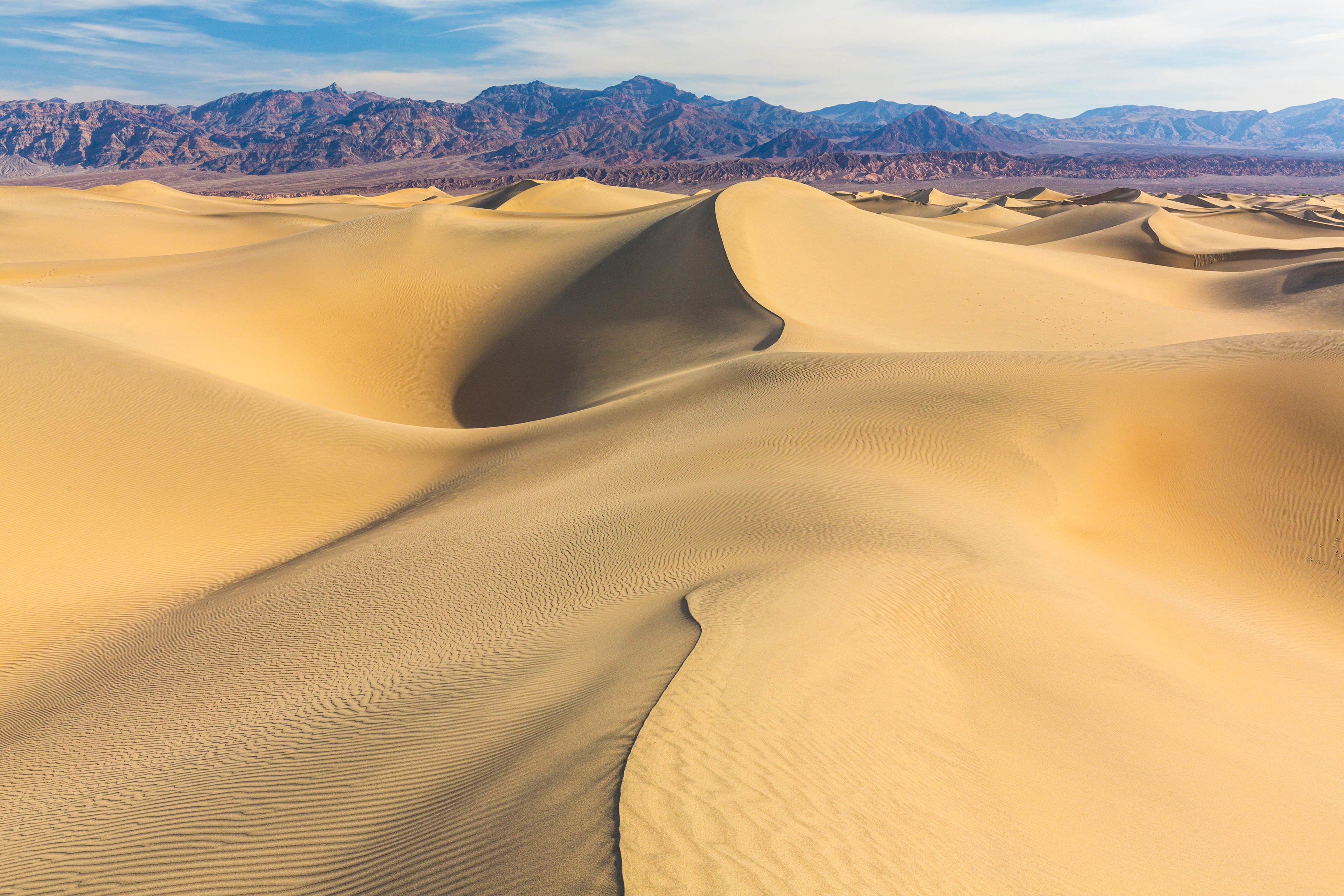
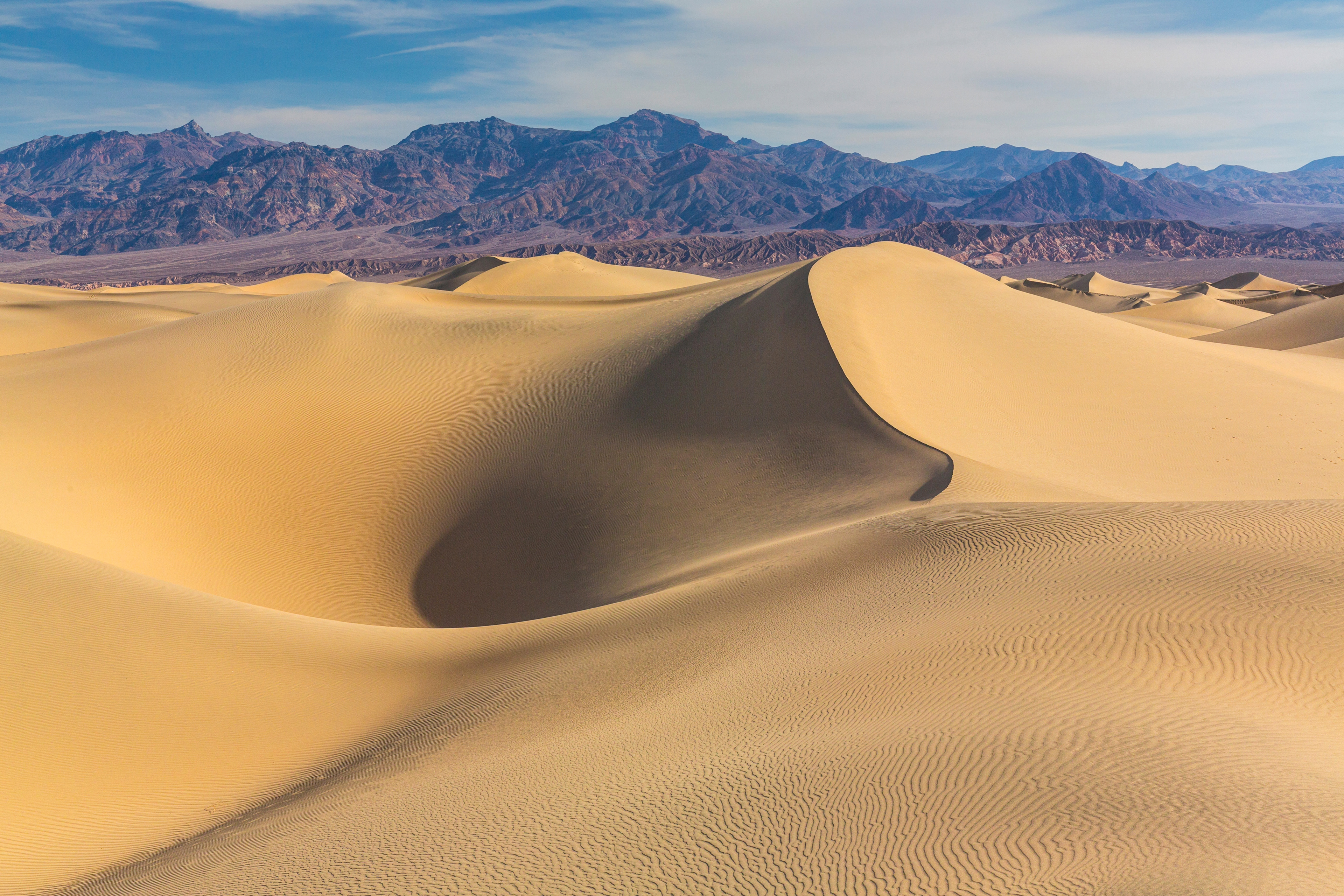
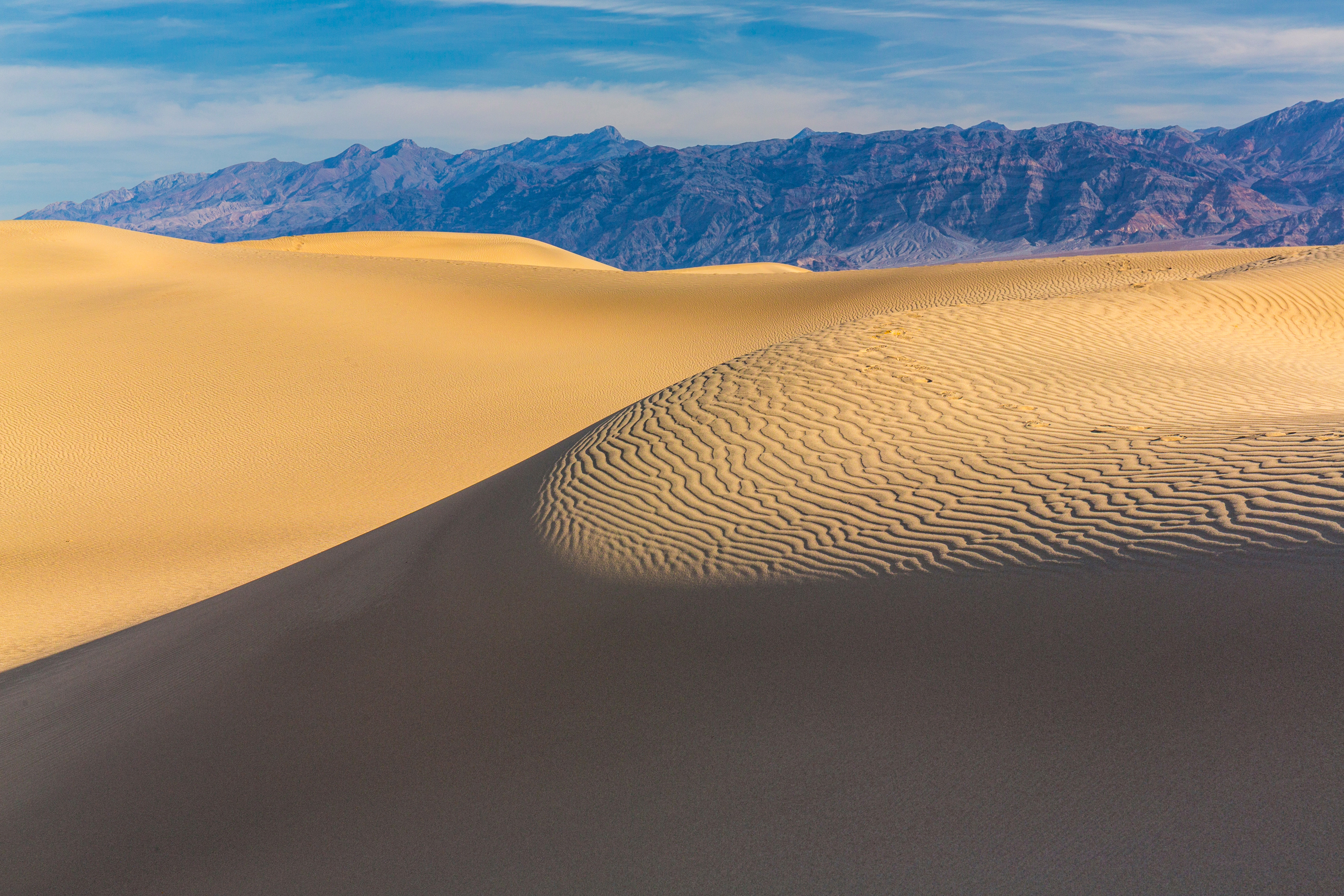
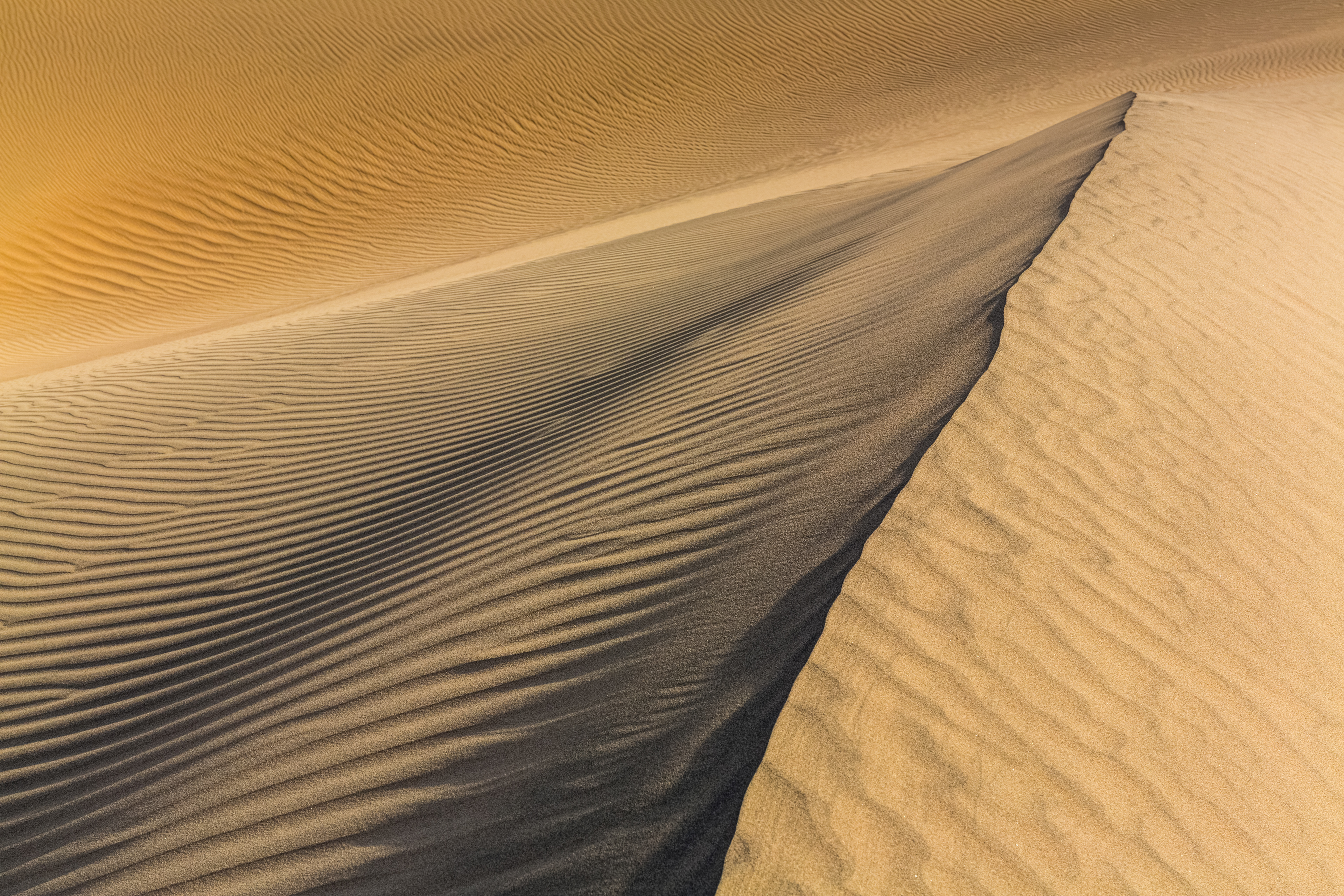
The interplay of light and geometry at Mesquite Flat Sand Dunes.
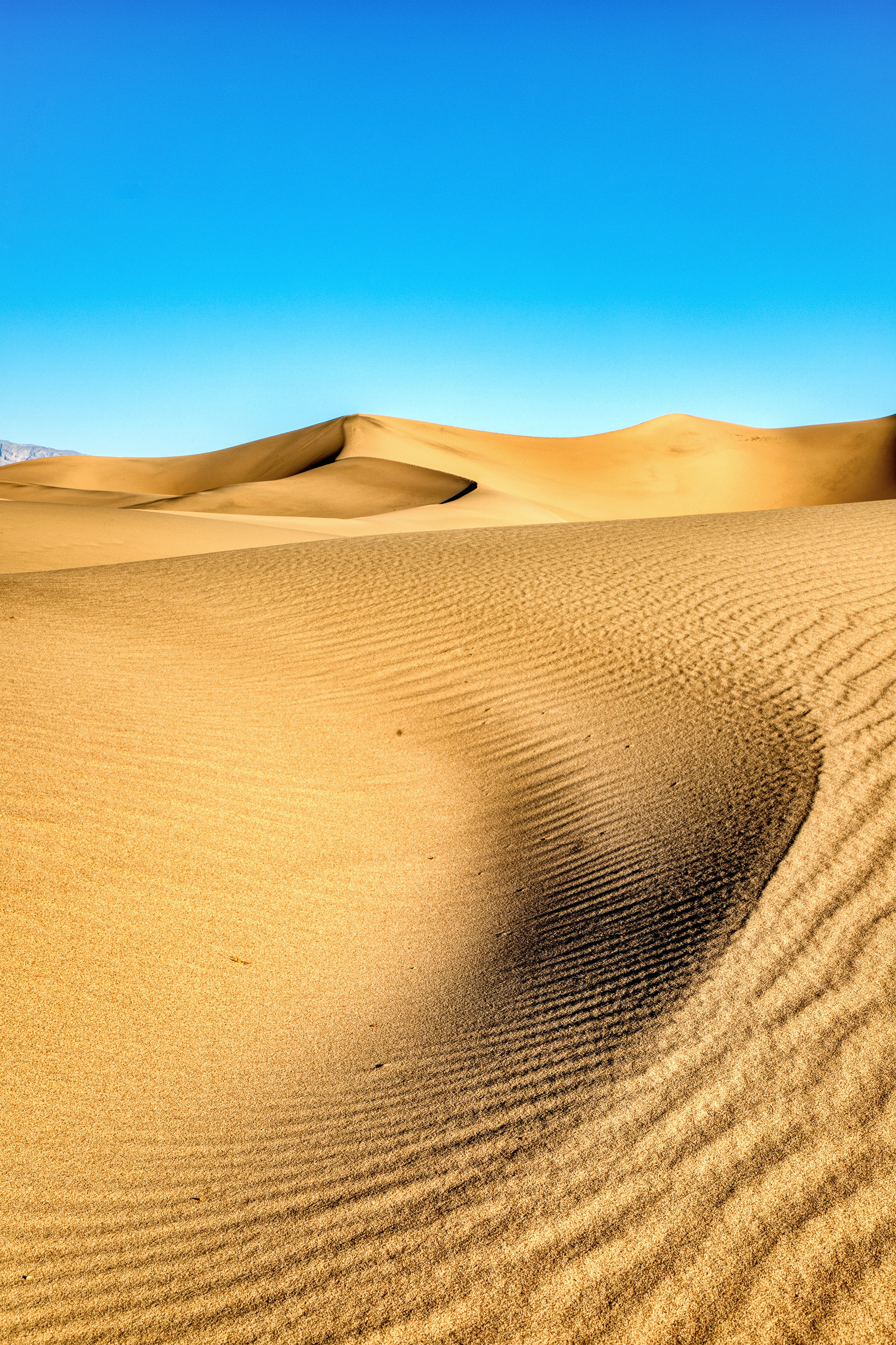
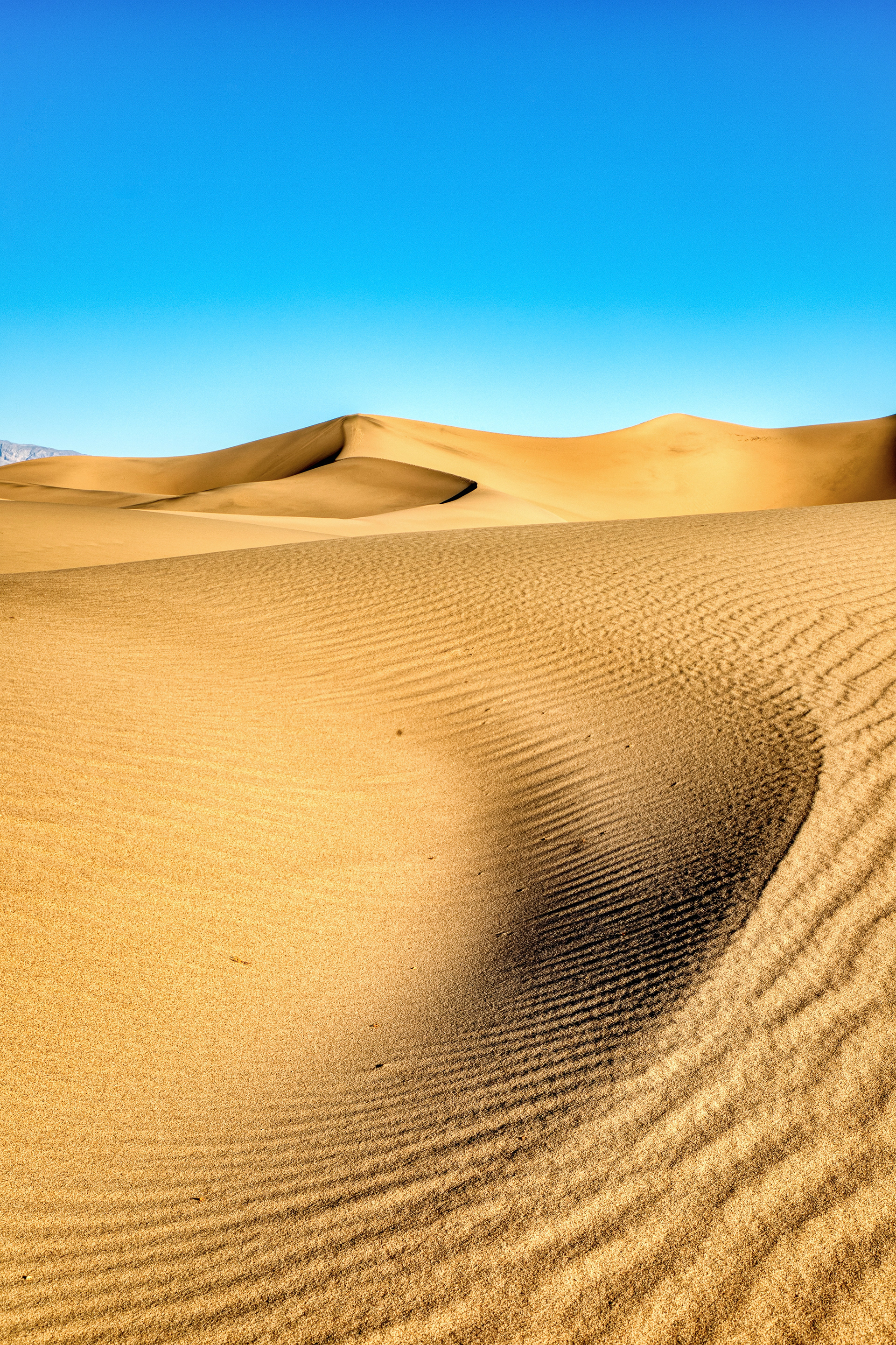
The golden textures and sweeping curves of the Mesquite Flat Sand Dunes under a brilliant blue sky.
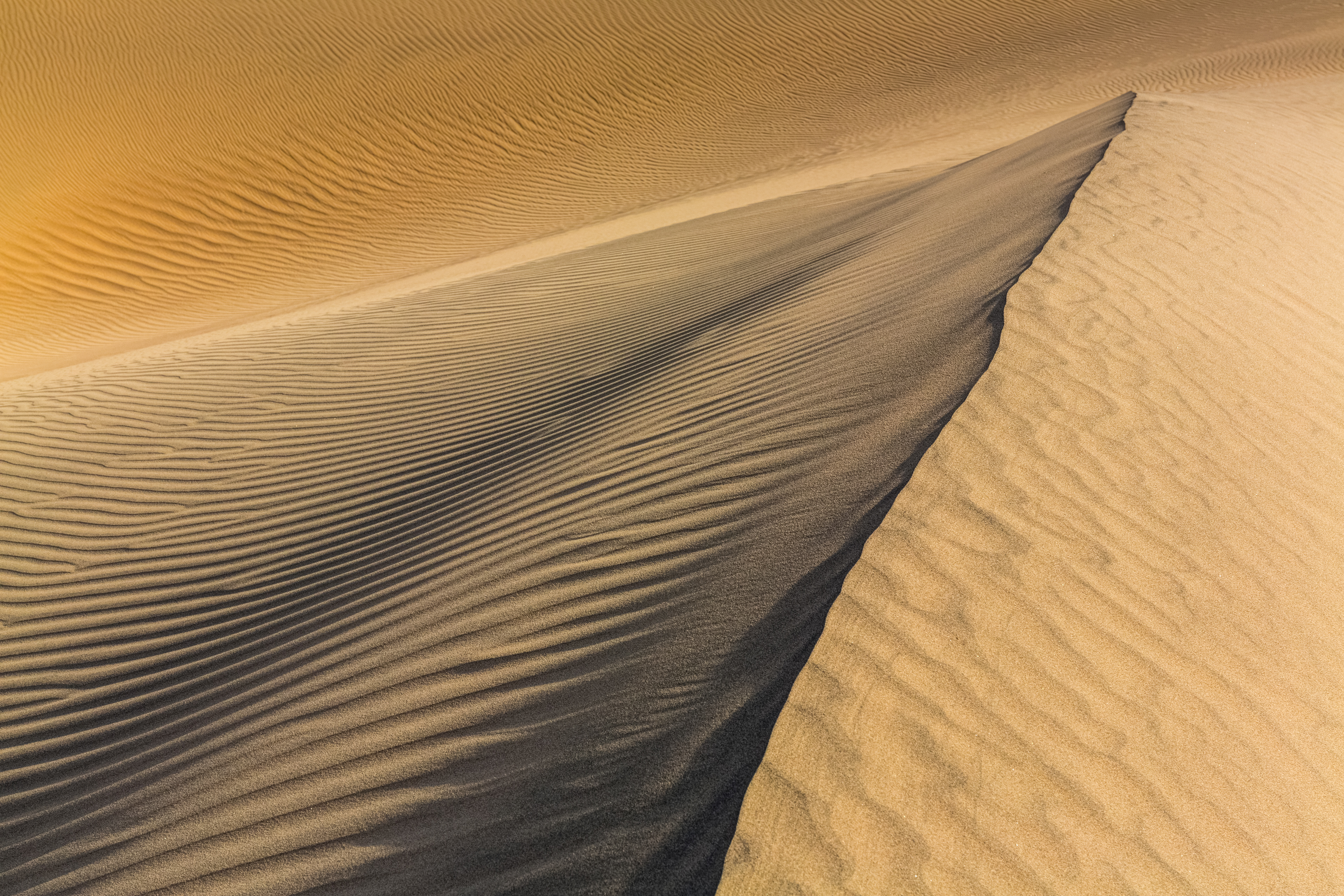
A sharply defined dune crest, showing contrasting light and shadow with fine wind‑carved textures.
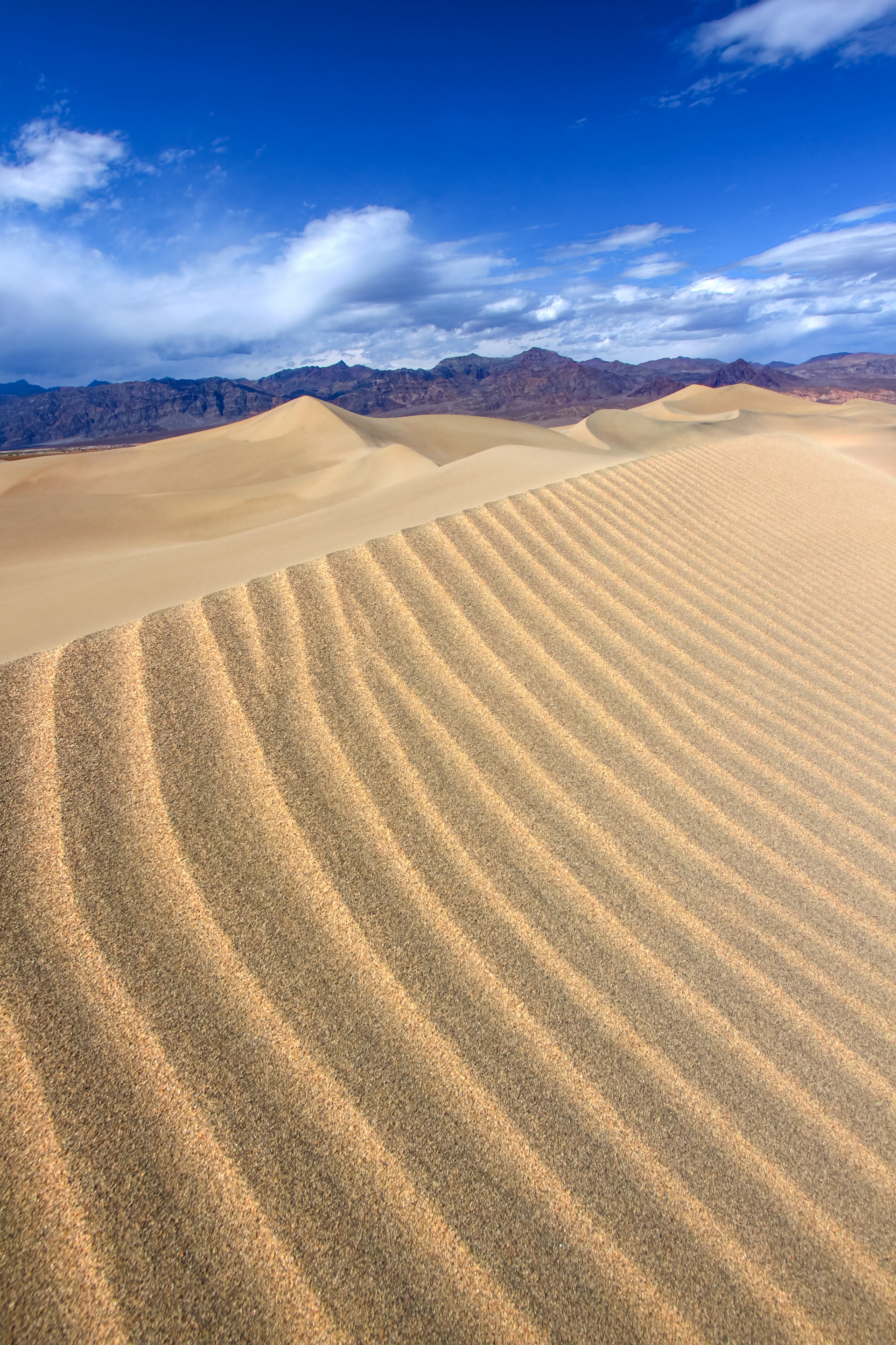
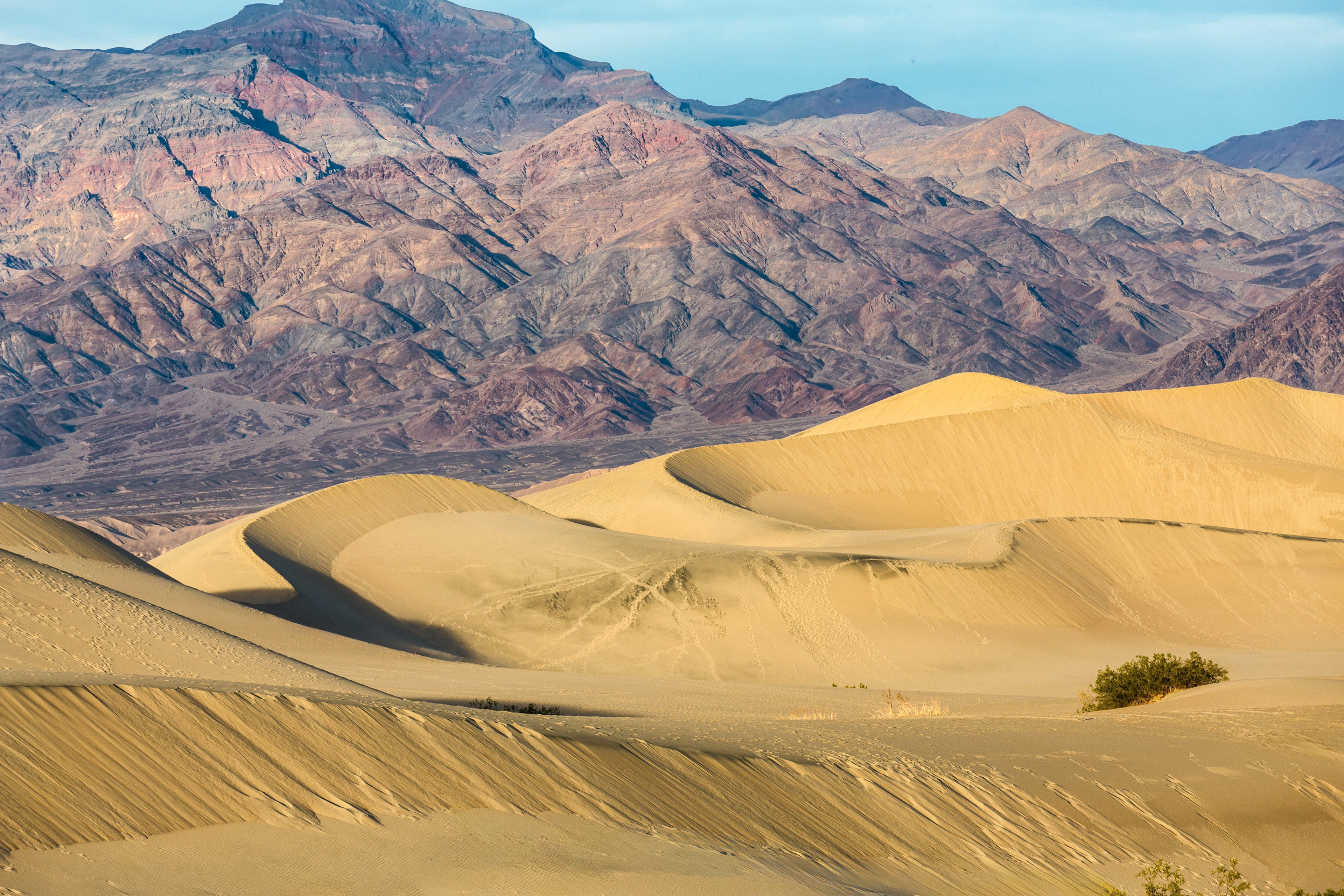
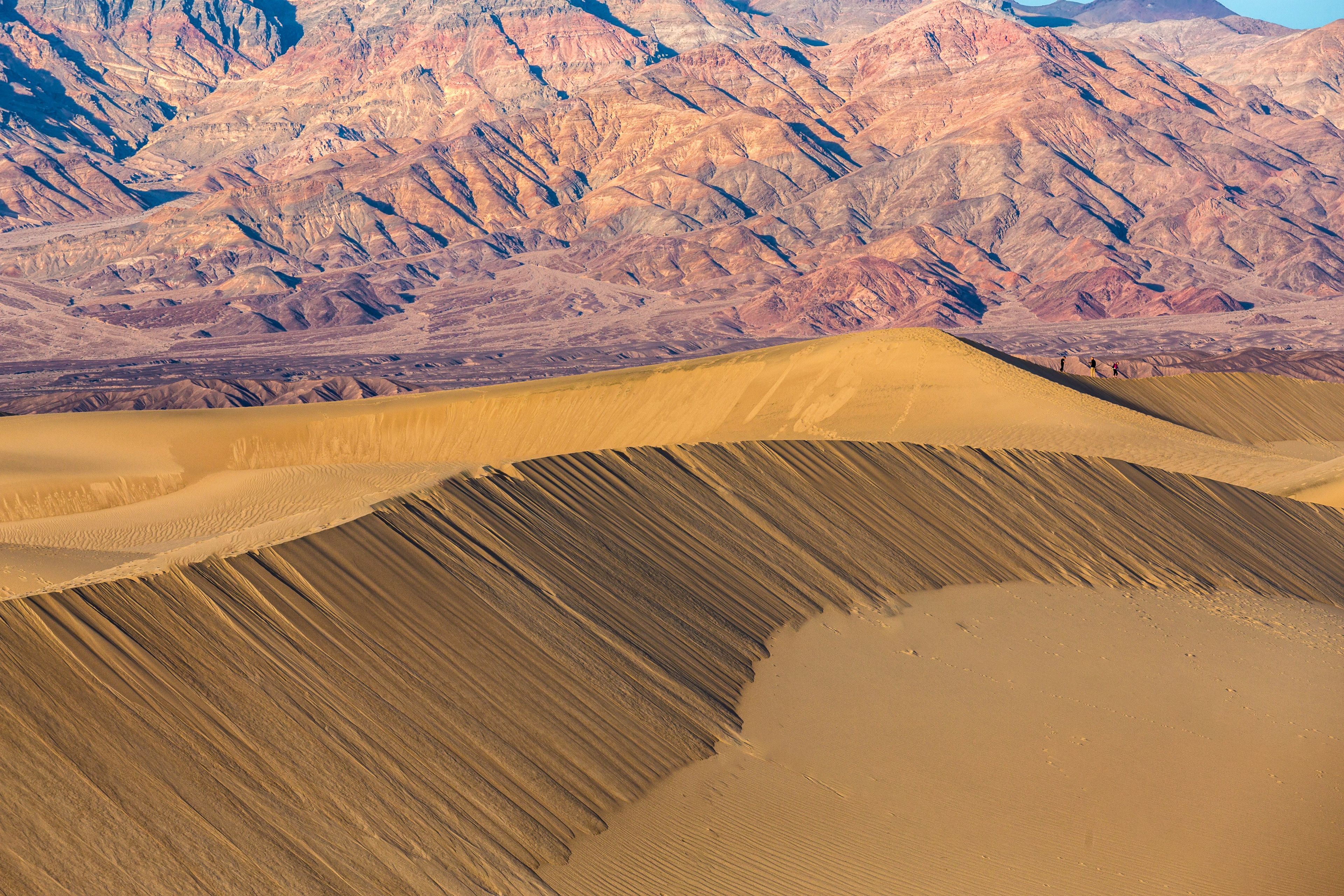
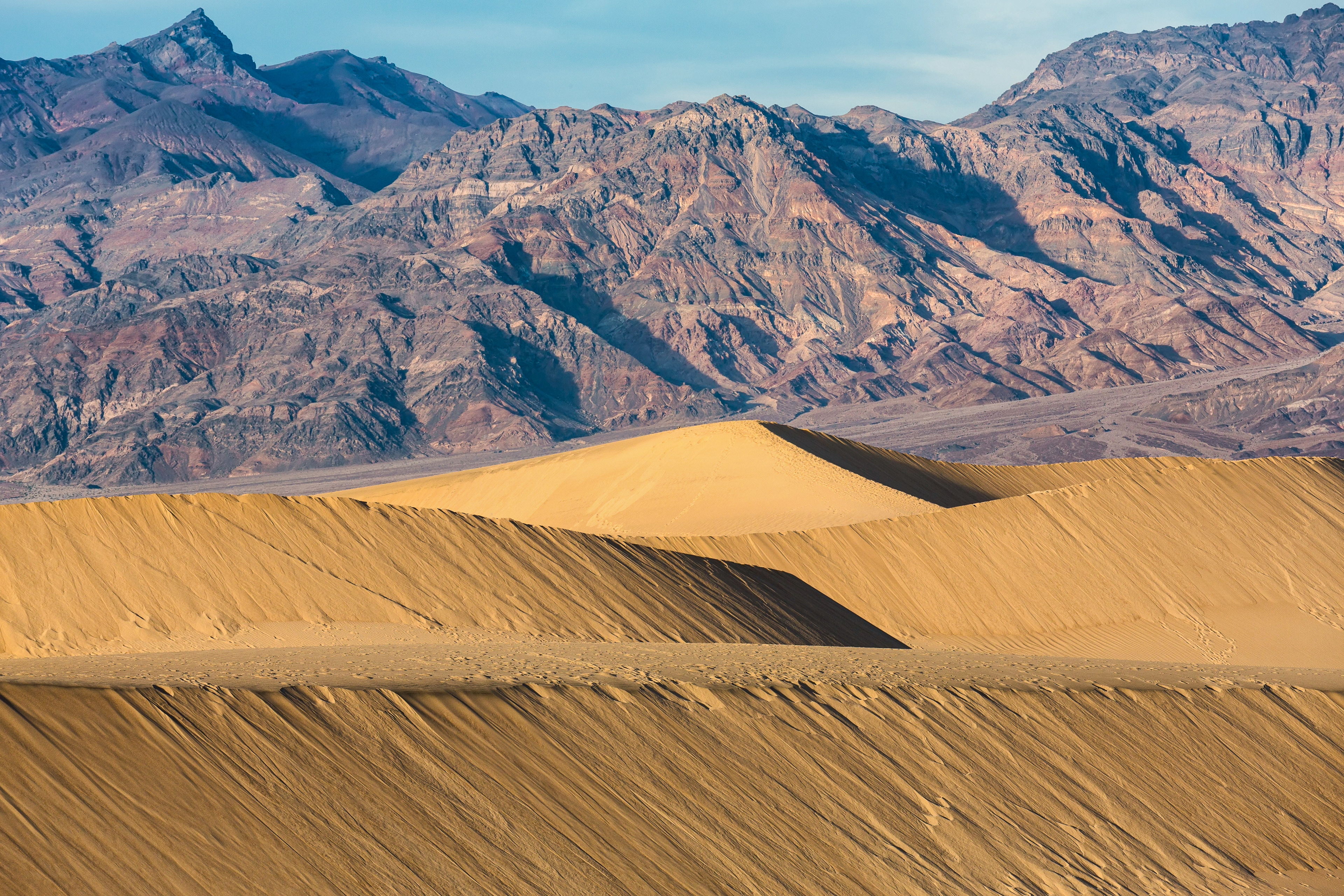
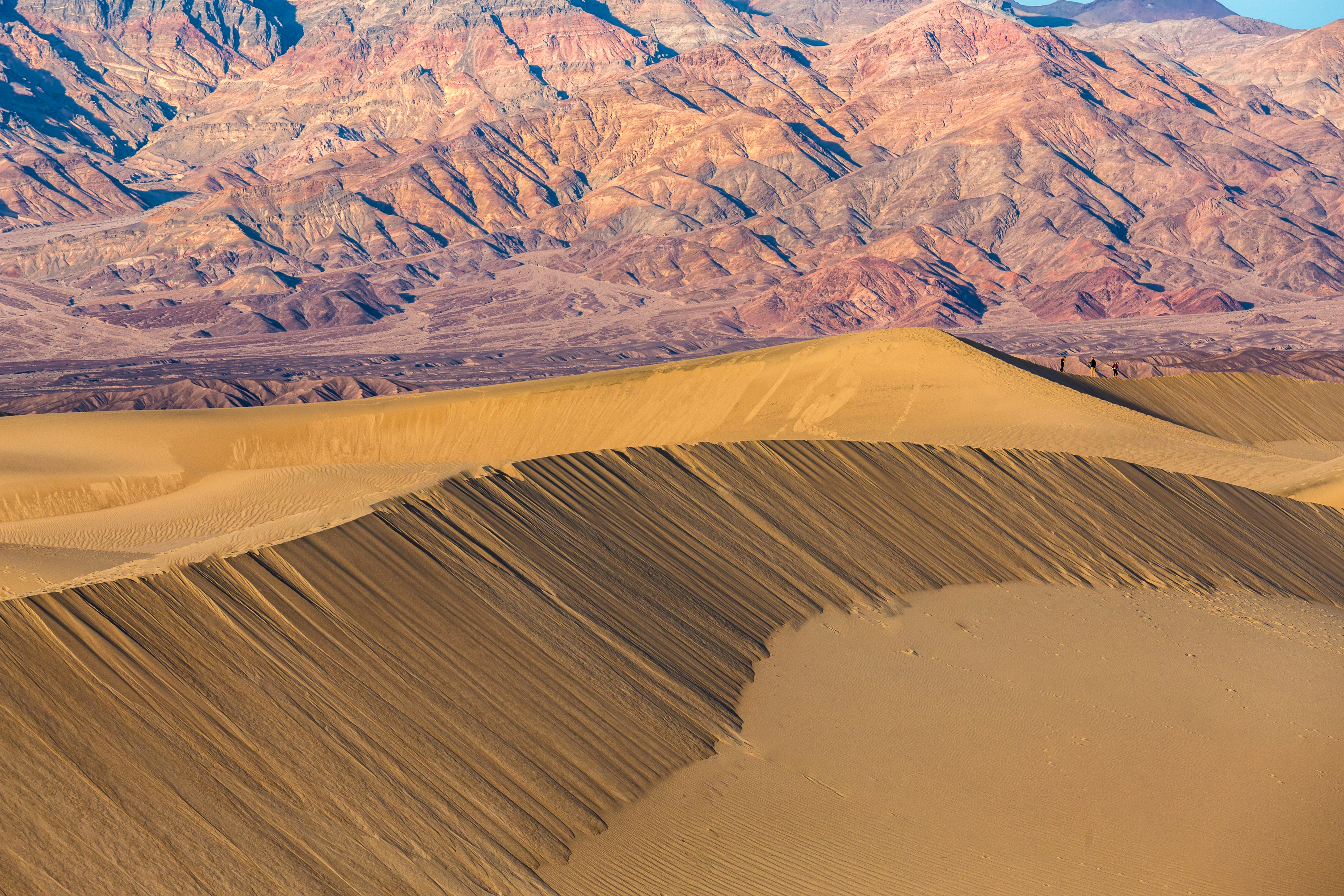
Golden curves of the Mesquite Flat Sand Dunes roll toward the rugged, pastel mountains.