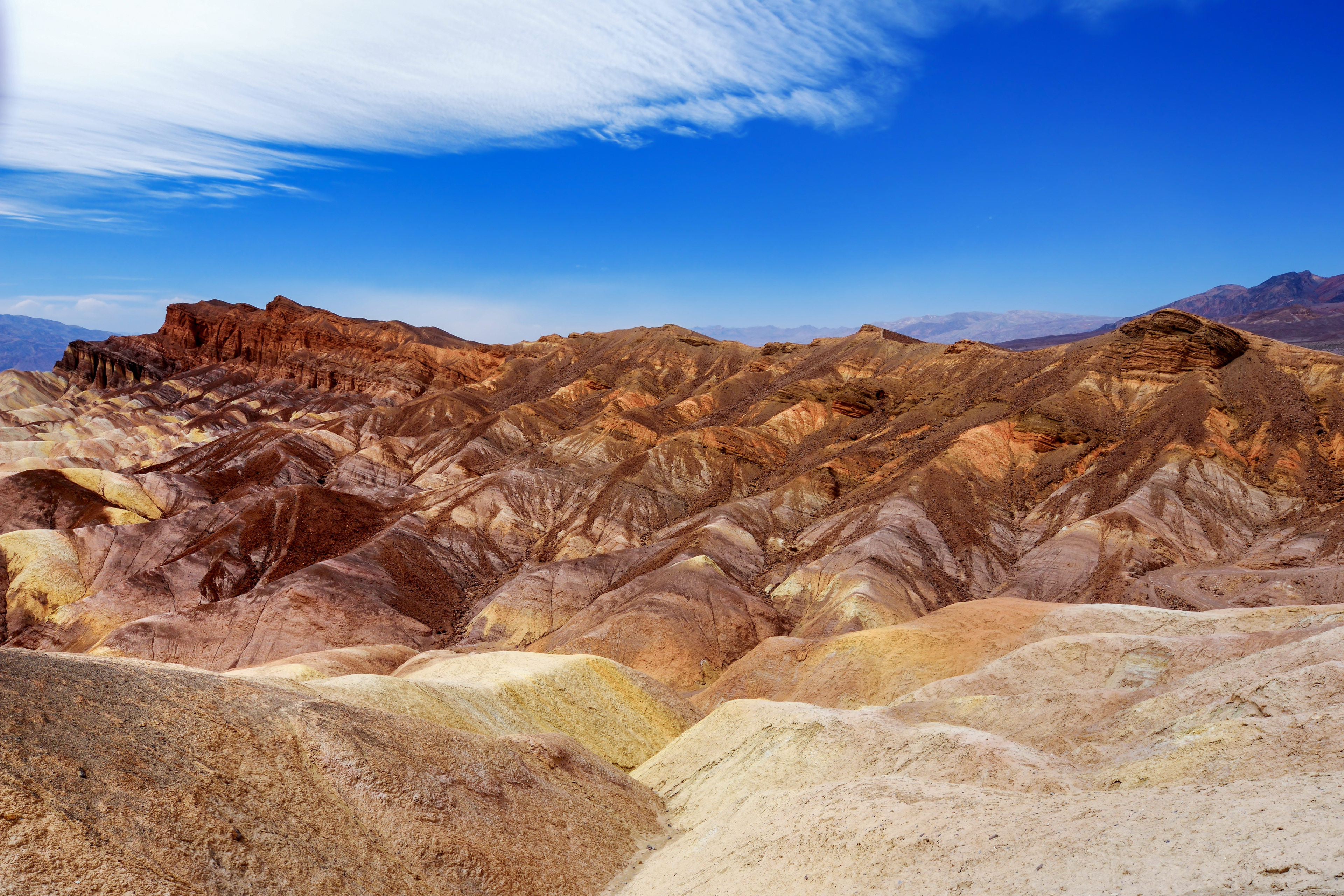
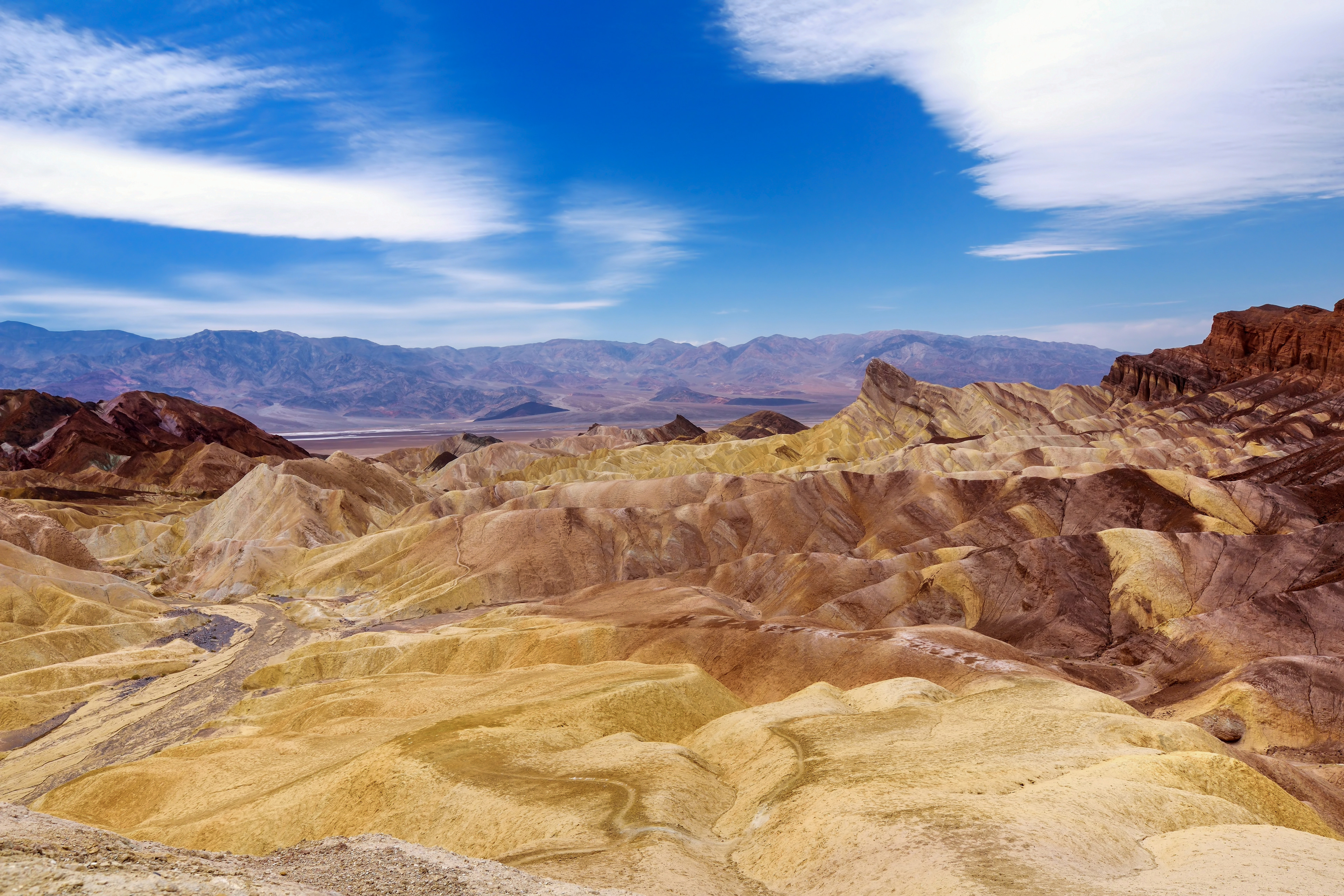
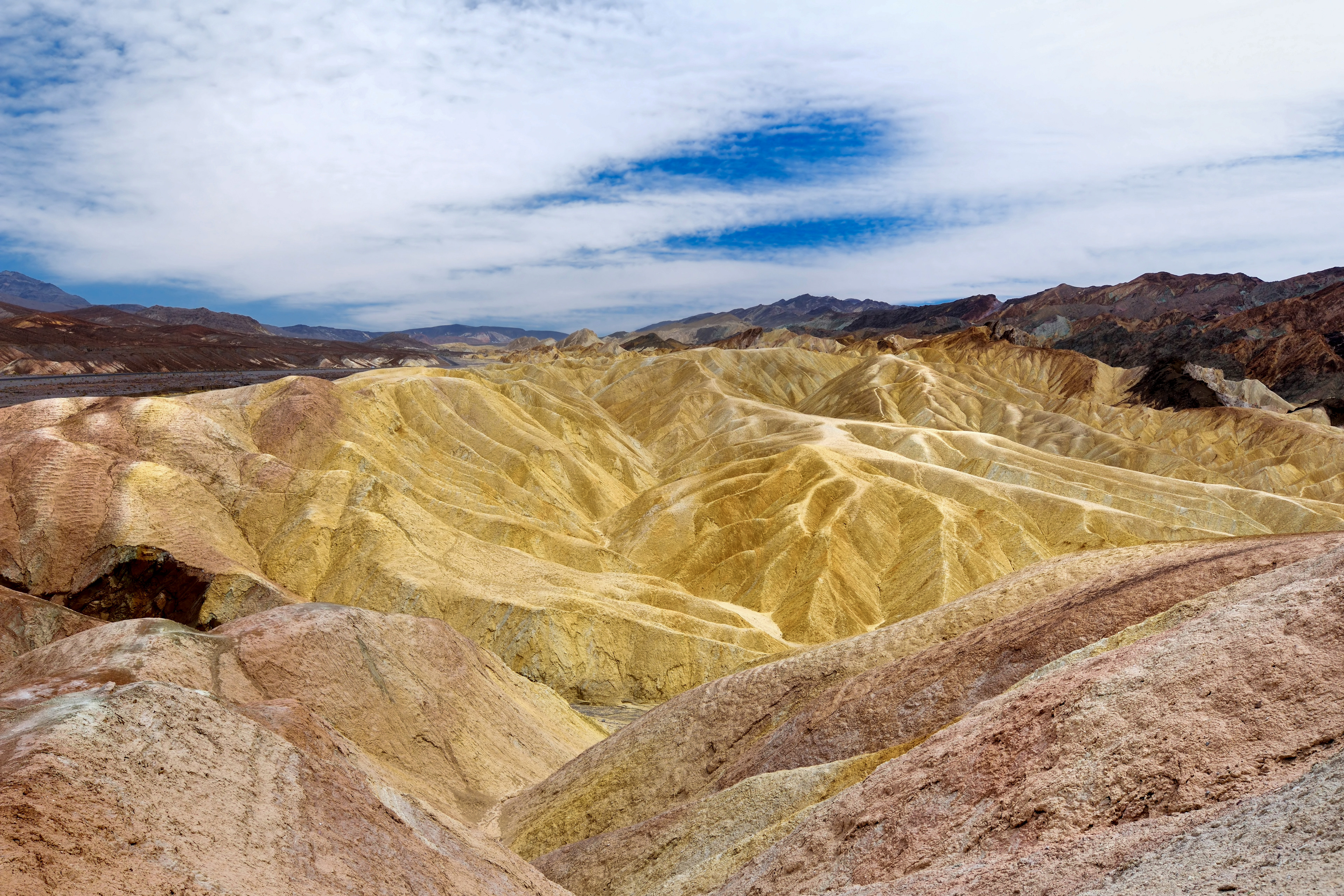
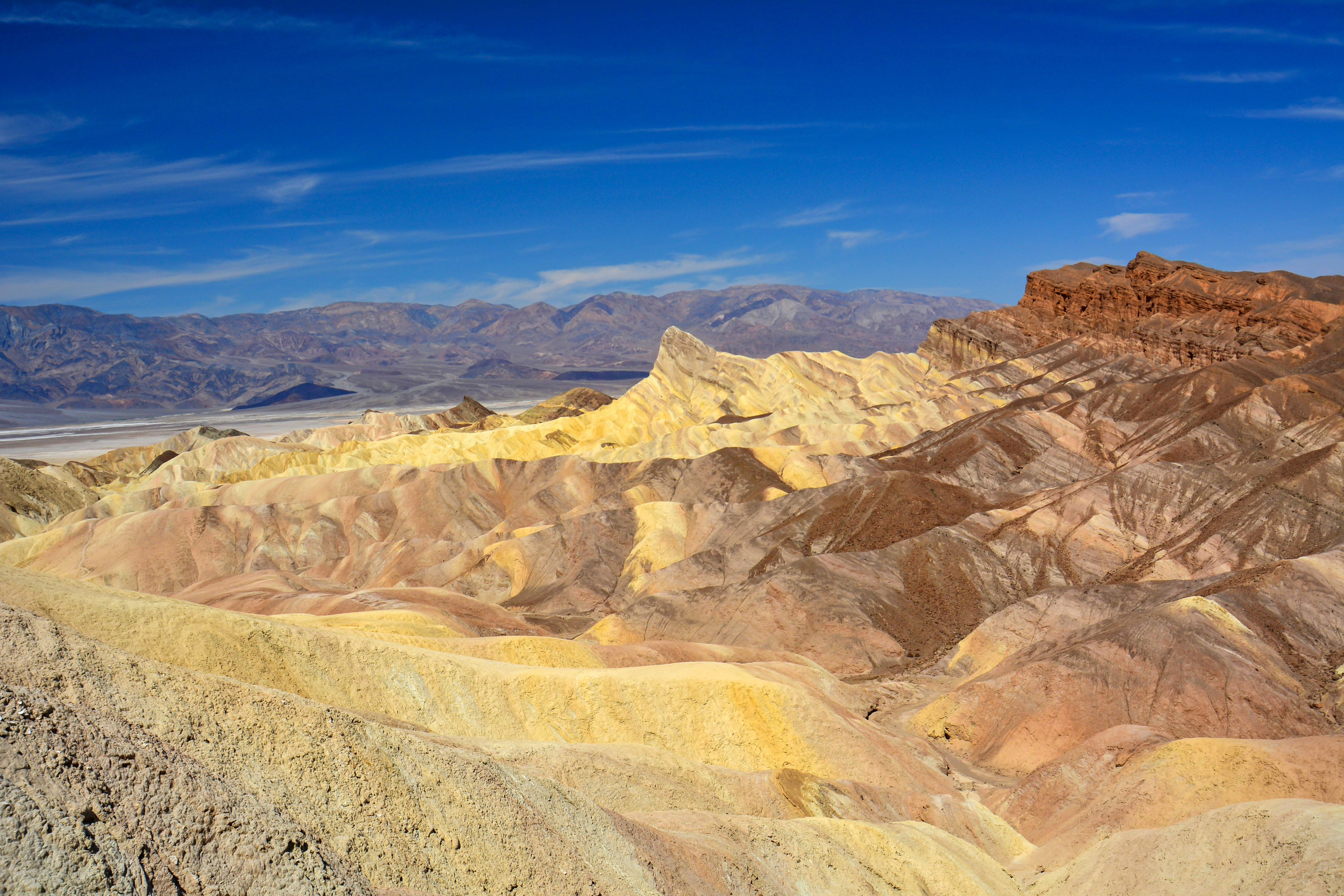
Zabriskie Point, Death Valley National Park,USA
Zabriskie Point is one of those landscapes that feels almost unreal—like the Earth briefly decided to sculpt something expressive, then left it behind for us to interpret.
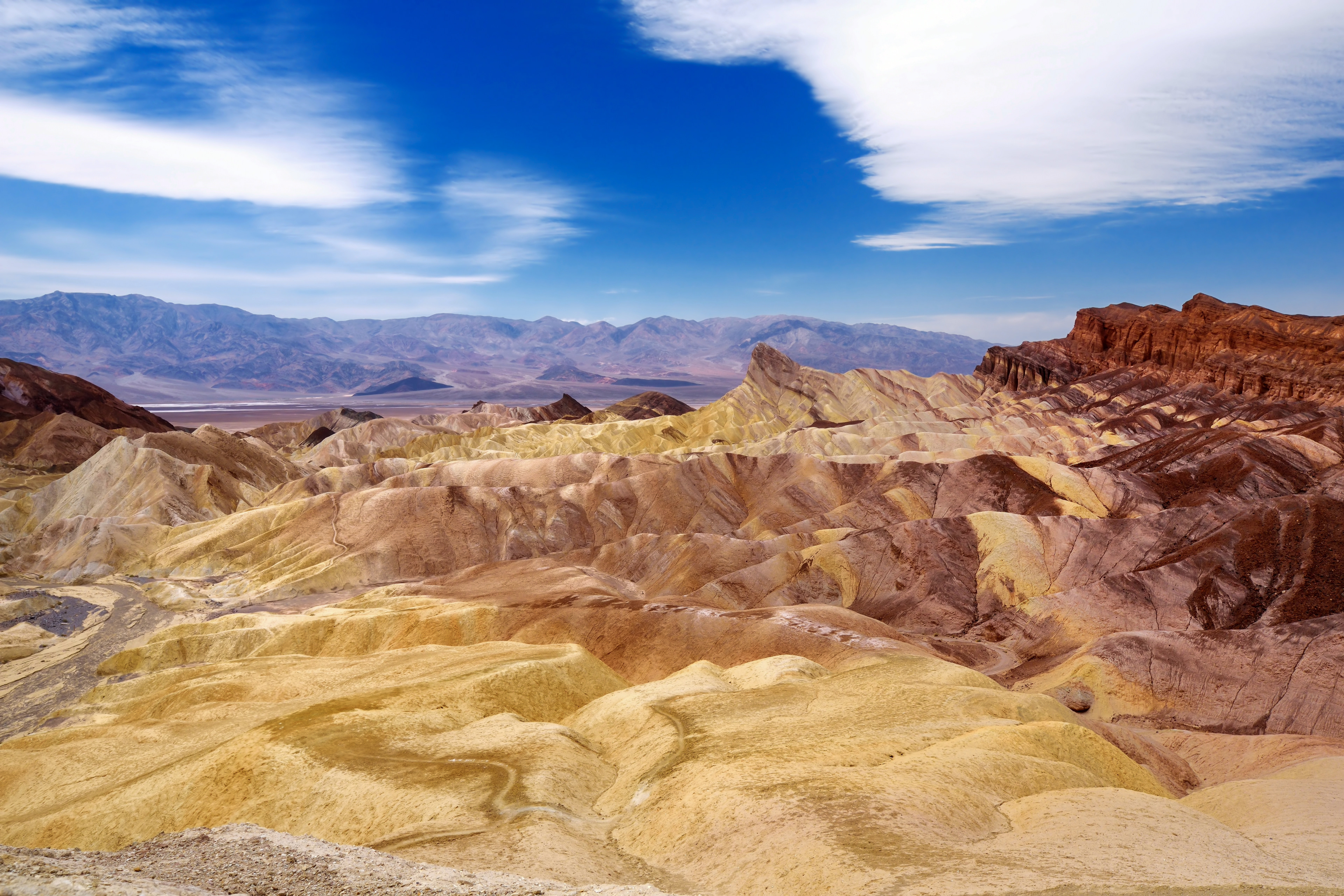
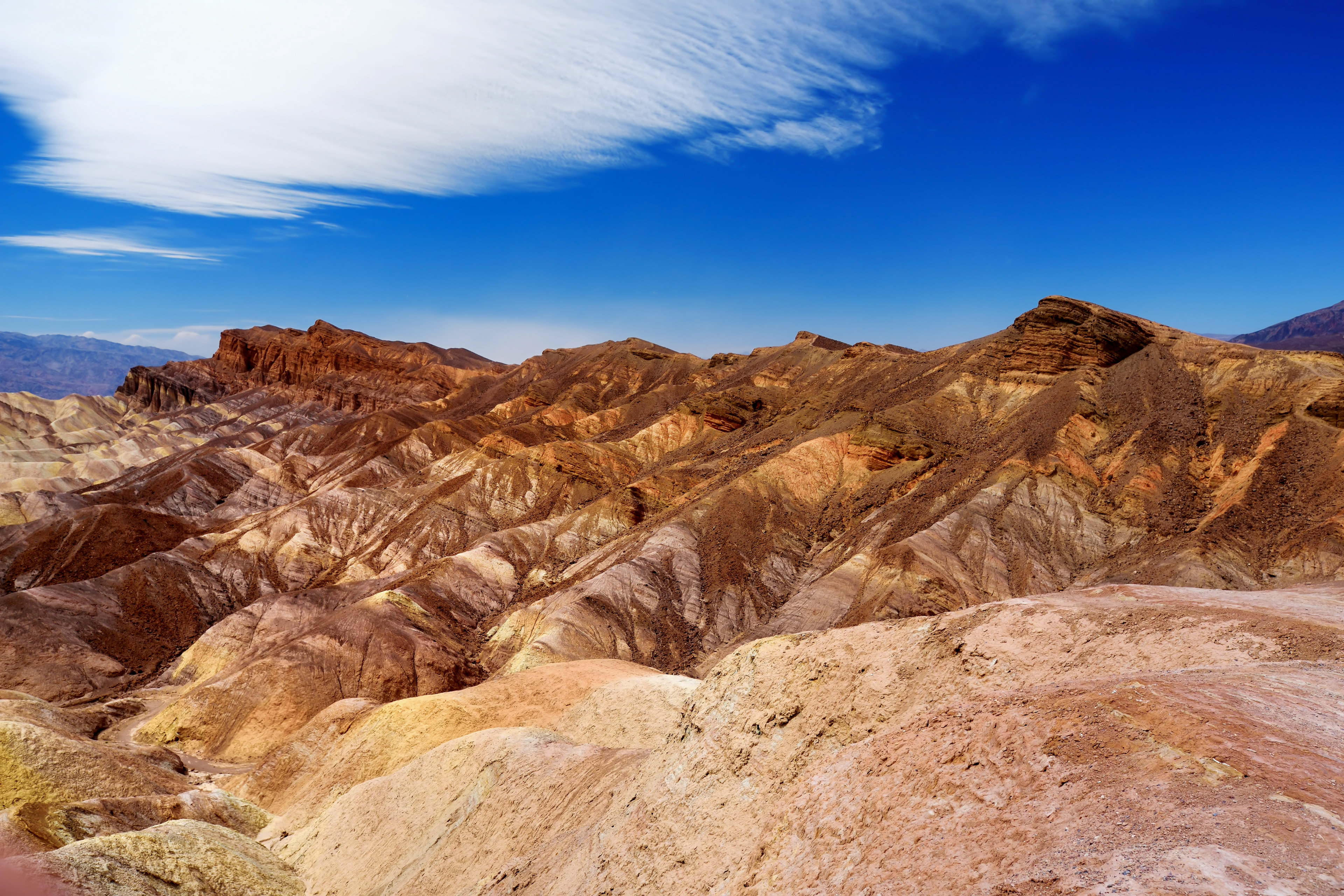
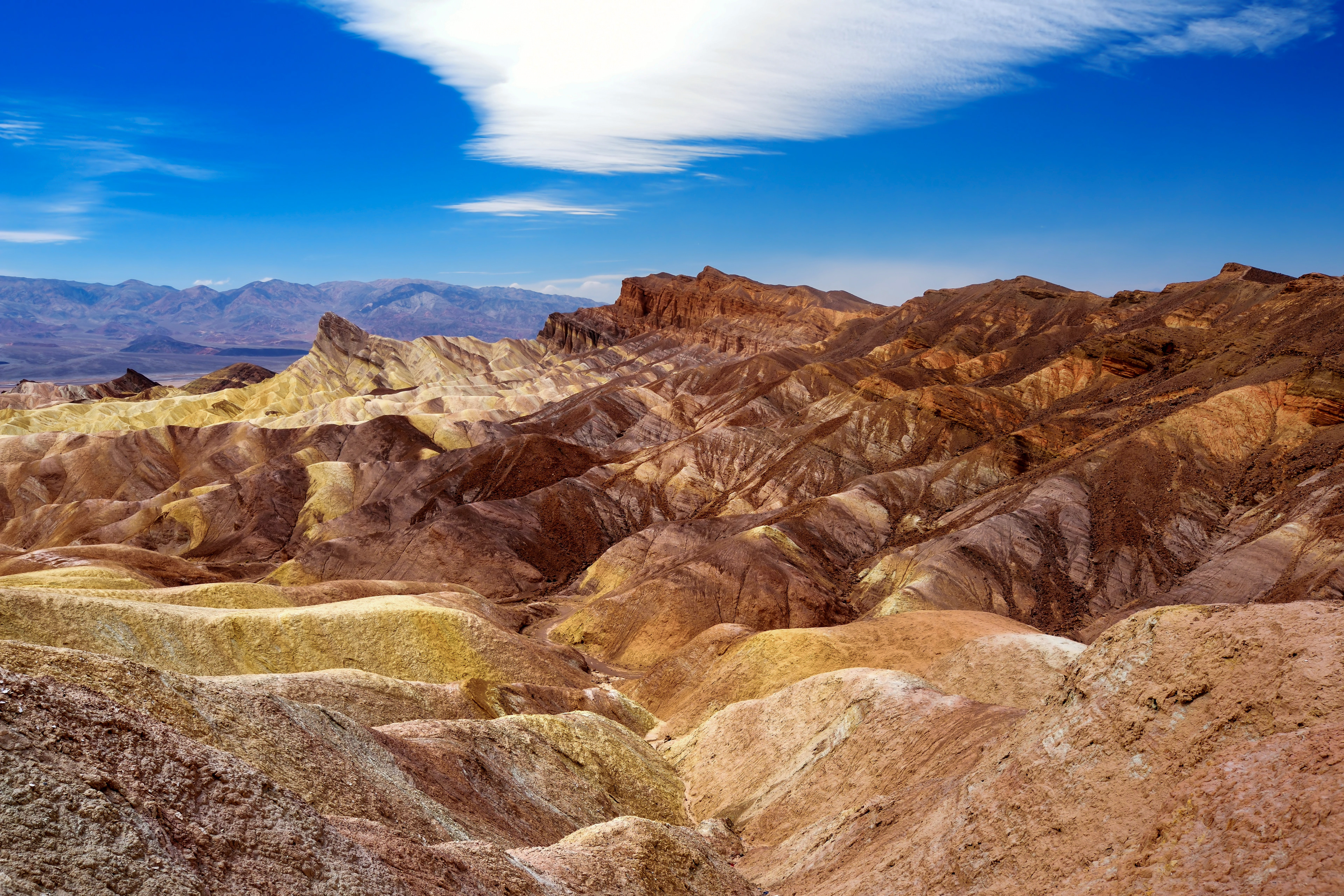
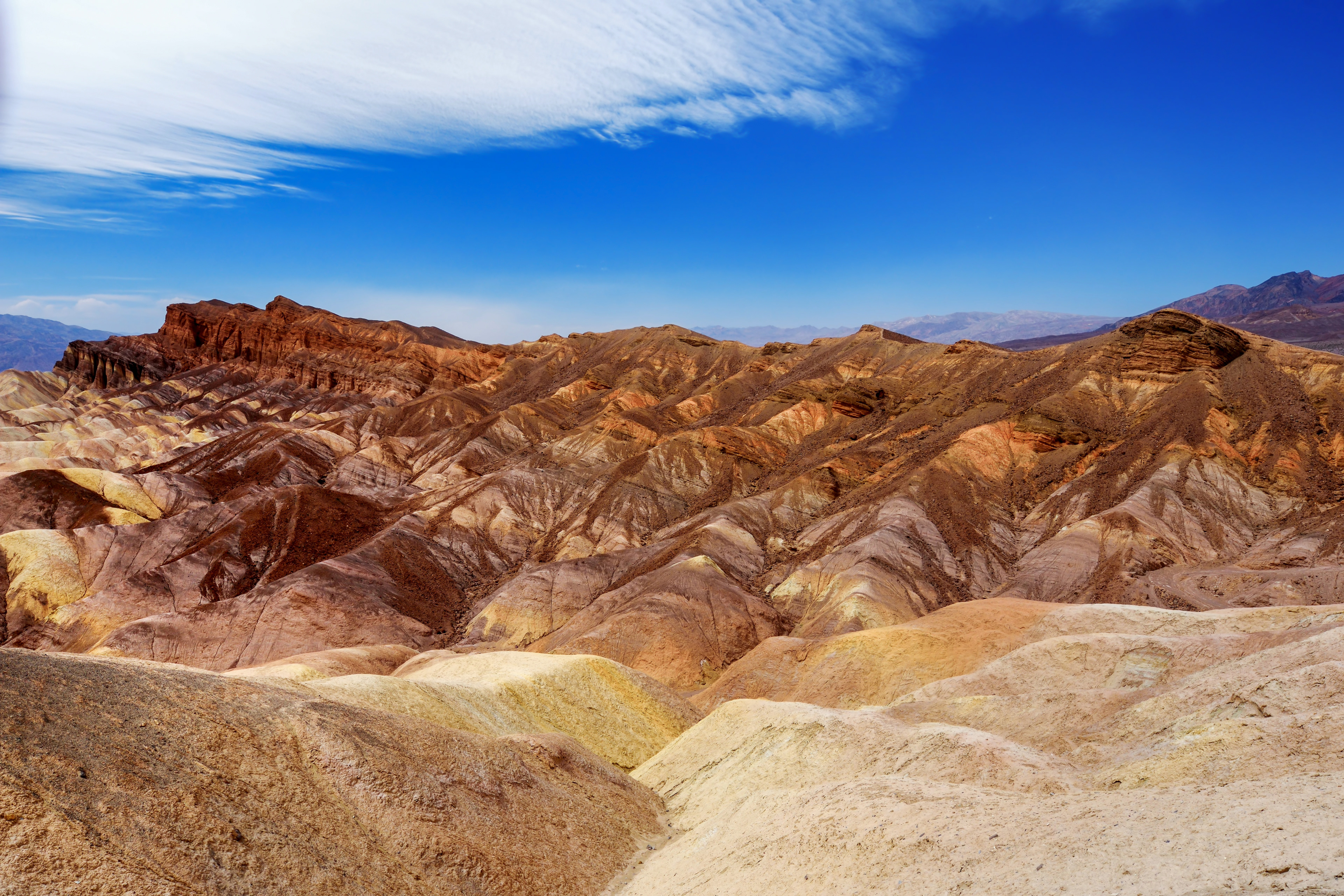
Long before it became a desert, this region was the floor of an ancient lake—Furnace Creek Lake. As the lake dried up, layers of clay, silt, and volcanic ash compacted into soft sediment. Over millions of years, flash floods carved those materials into the rippling badlands we see today. The landscape features undulating ridges, gullies, and colorful mineral bands, giving Zabriskie Point its iconic look.
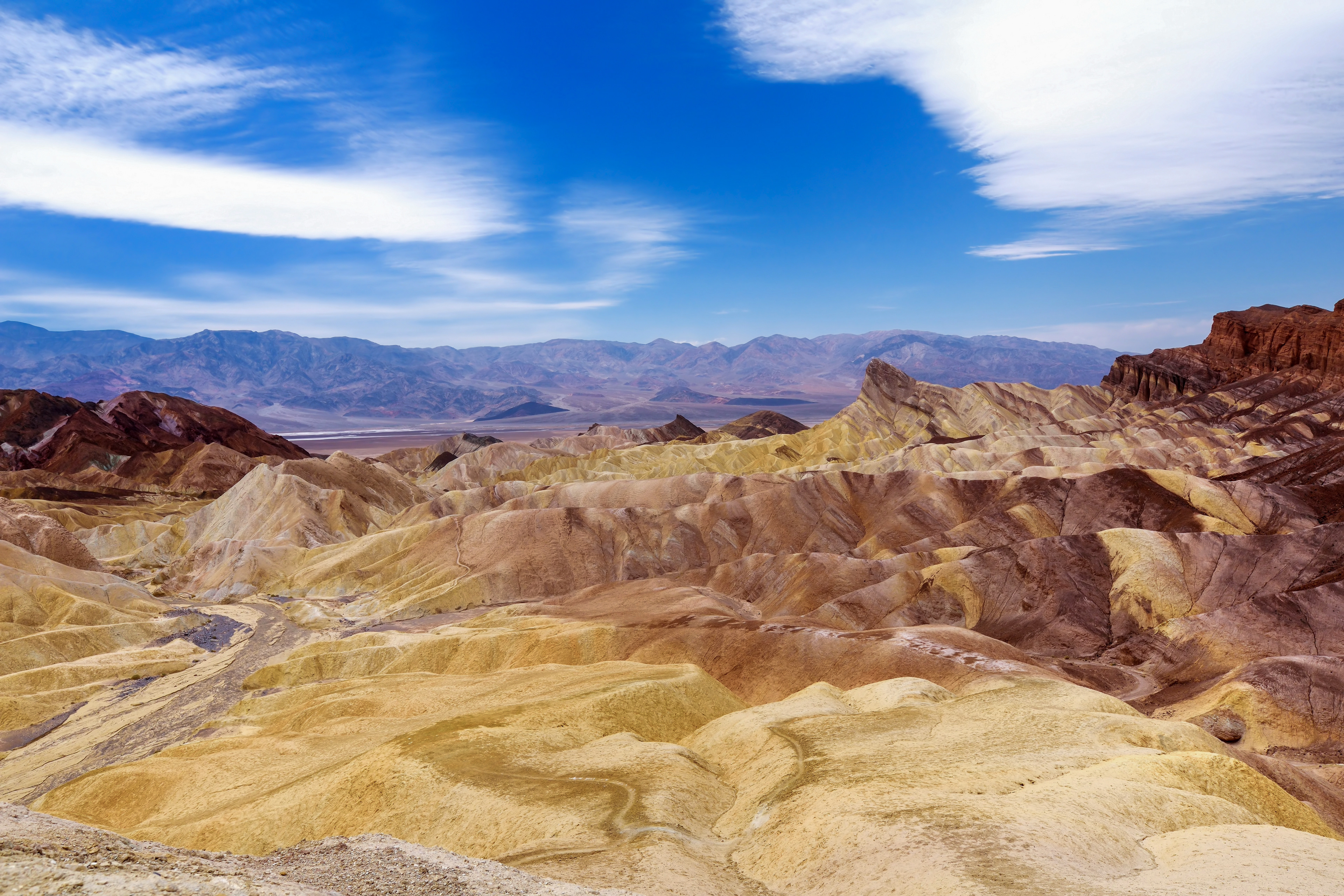
At sunrise, Zabriskie Point becomes a palette of impossible colors. Gold melts into rose, rose dissolves into lavender, and the ridges glow like embers remembering fire. The desert doesn’t rush the transformation; it unfolds with the confidence of something that has seen centuries and still chooses beauty every morning.
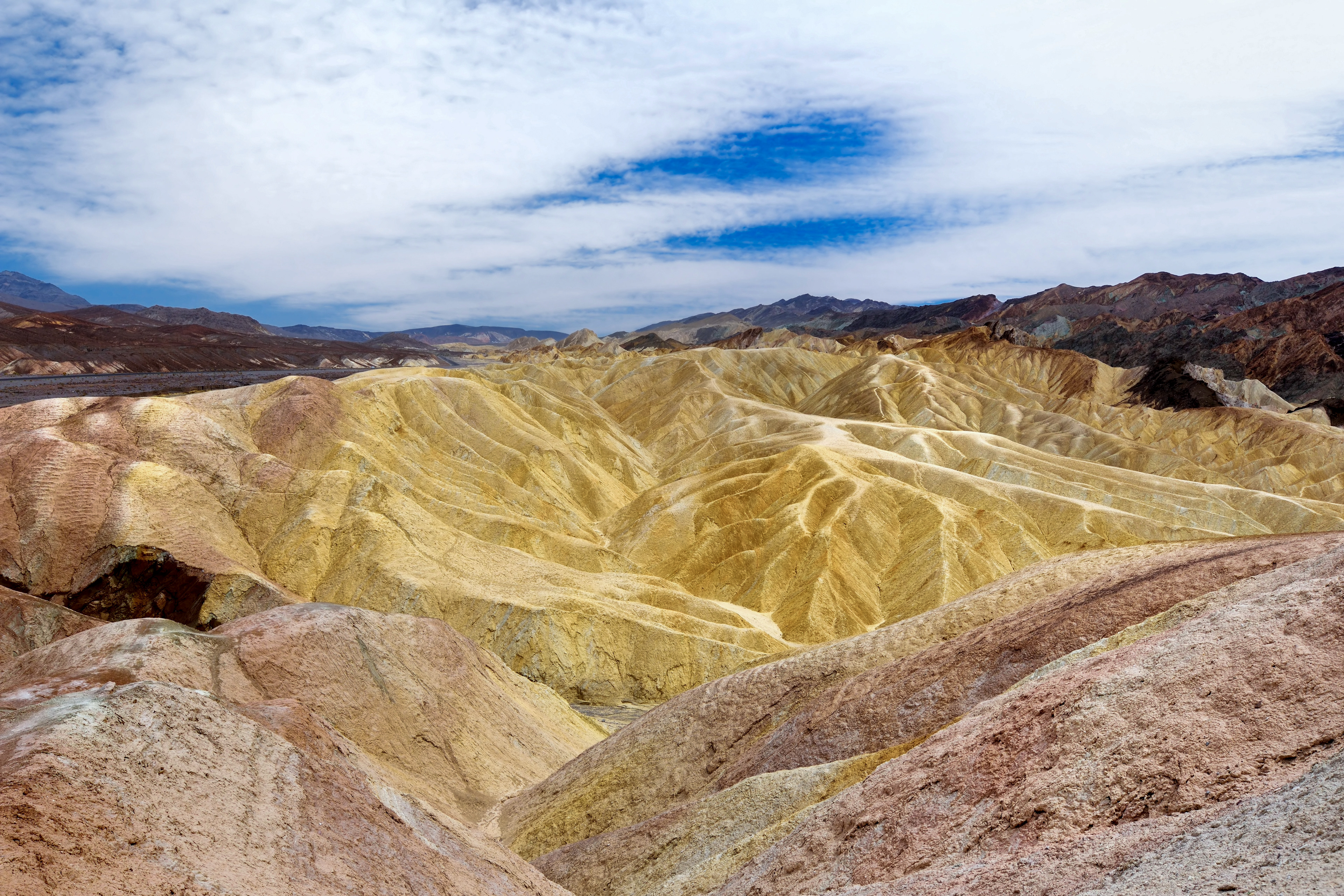
Standing at the overlook, you feel the scale of everything you’ve ever worried about shrink. The desert stretches out like a quiet reassurance that life is bigger, wider, and more forgiving than we imagine. The ridges look like waves frozen mid‑breath, a still ocean made of dust and time.
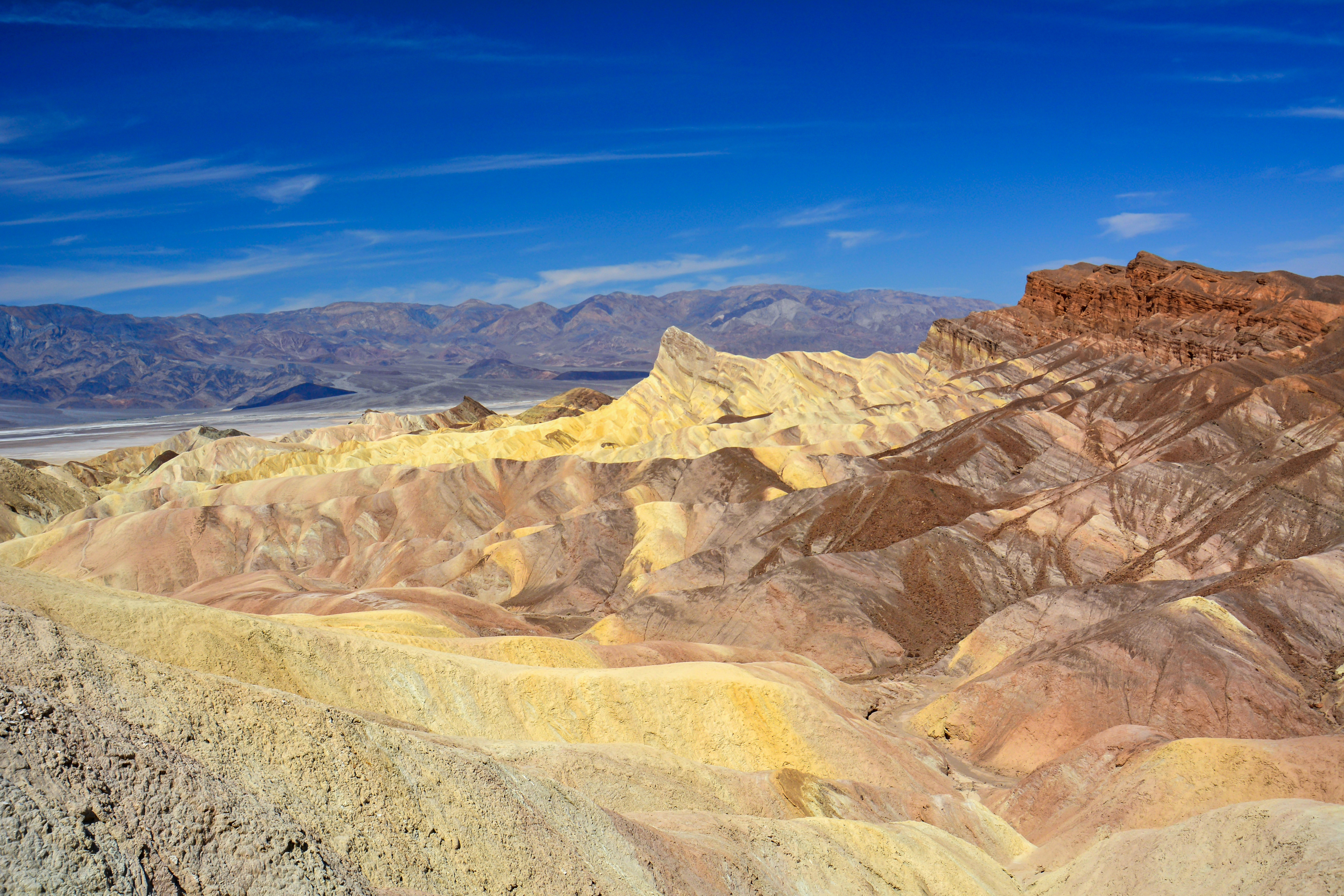
The textures here are a study in contradiction—soft lines carved by harsh forces, delicate gradients shaped by relentless erosion. Zabriskie Point is a reminder that strength and vulnerability are not opposites; they are collaborators. The land wears its history openly, and in doing so, it becomes even more compelling.
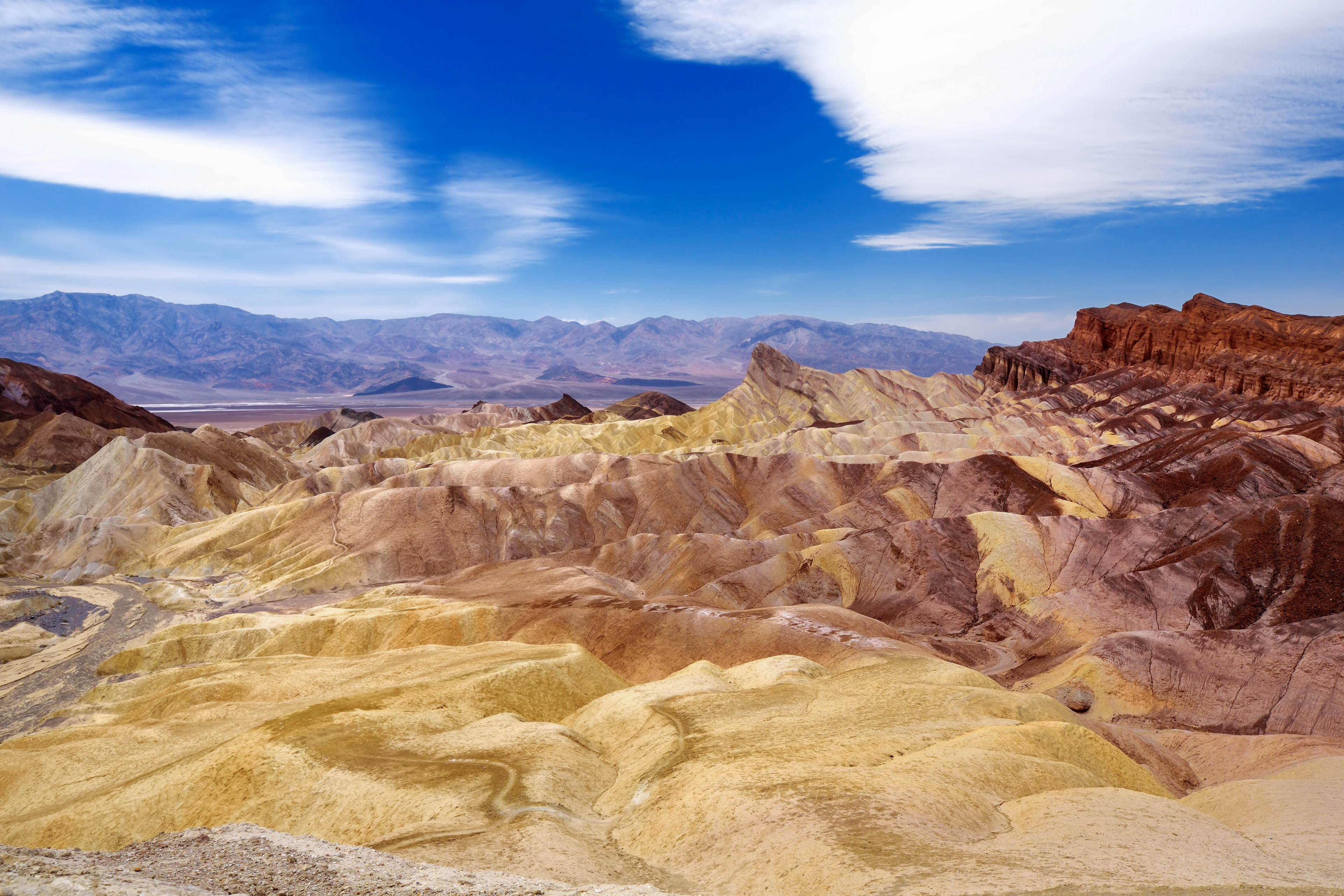
There’s a strange intimacy in standing before something so vast. Zabriskie Point doesn’t overwhelm; it invites. It asks you to slow down, to breathe differently, to listen to the quiet hum beneath the surface. The land feels ancient, but the moment feels new—like the first page of a chapter you didn’t know you were ready to write.
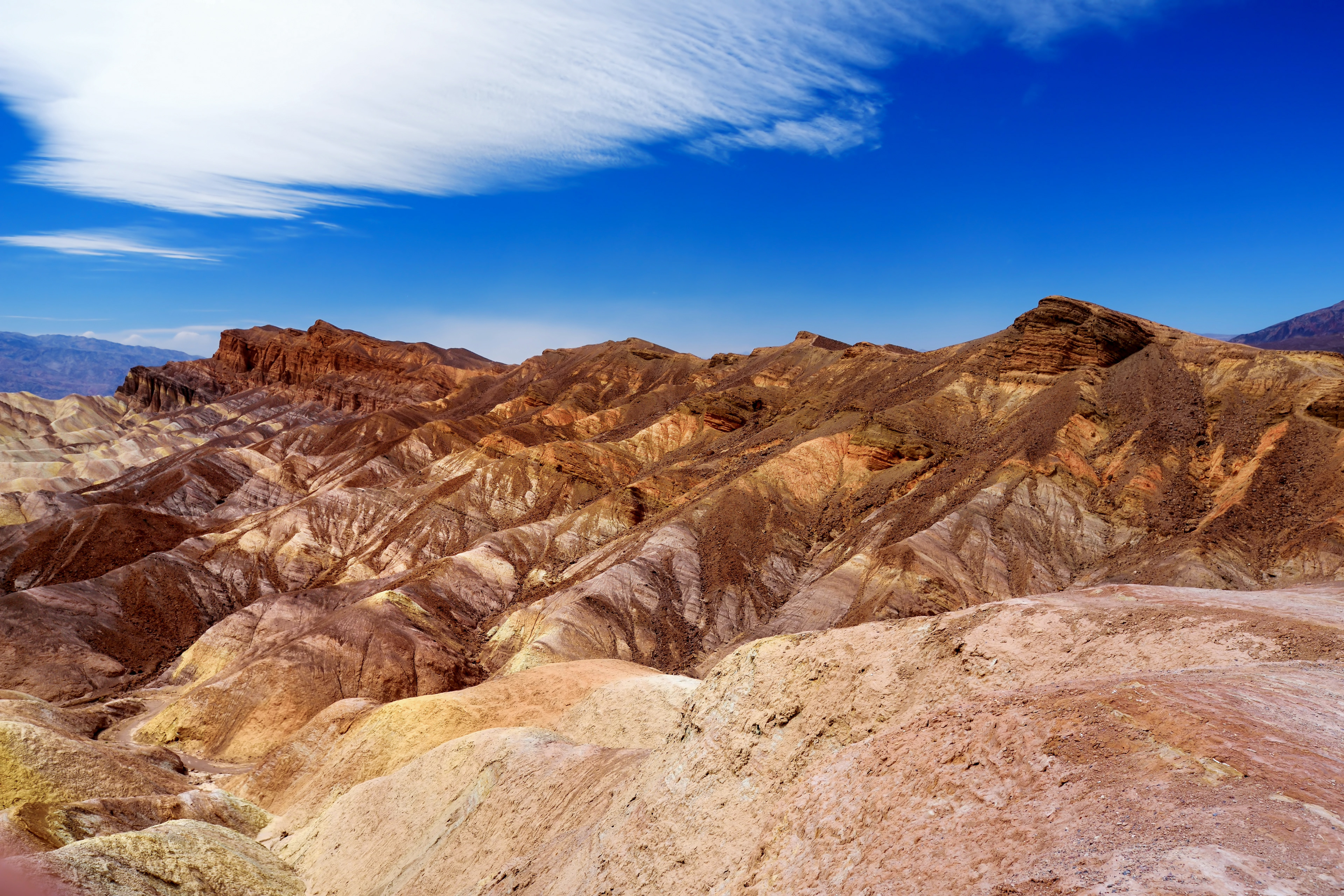
The landscape at Zabriskie Point looks like a poem. Curves that rise like questions, valleys that fall like answers, and colors that shift with the honesty of a mood. It’s a place where the sun rehearses its best performances, and the shadows write their own stories across the terrain.
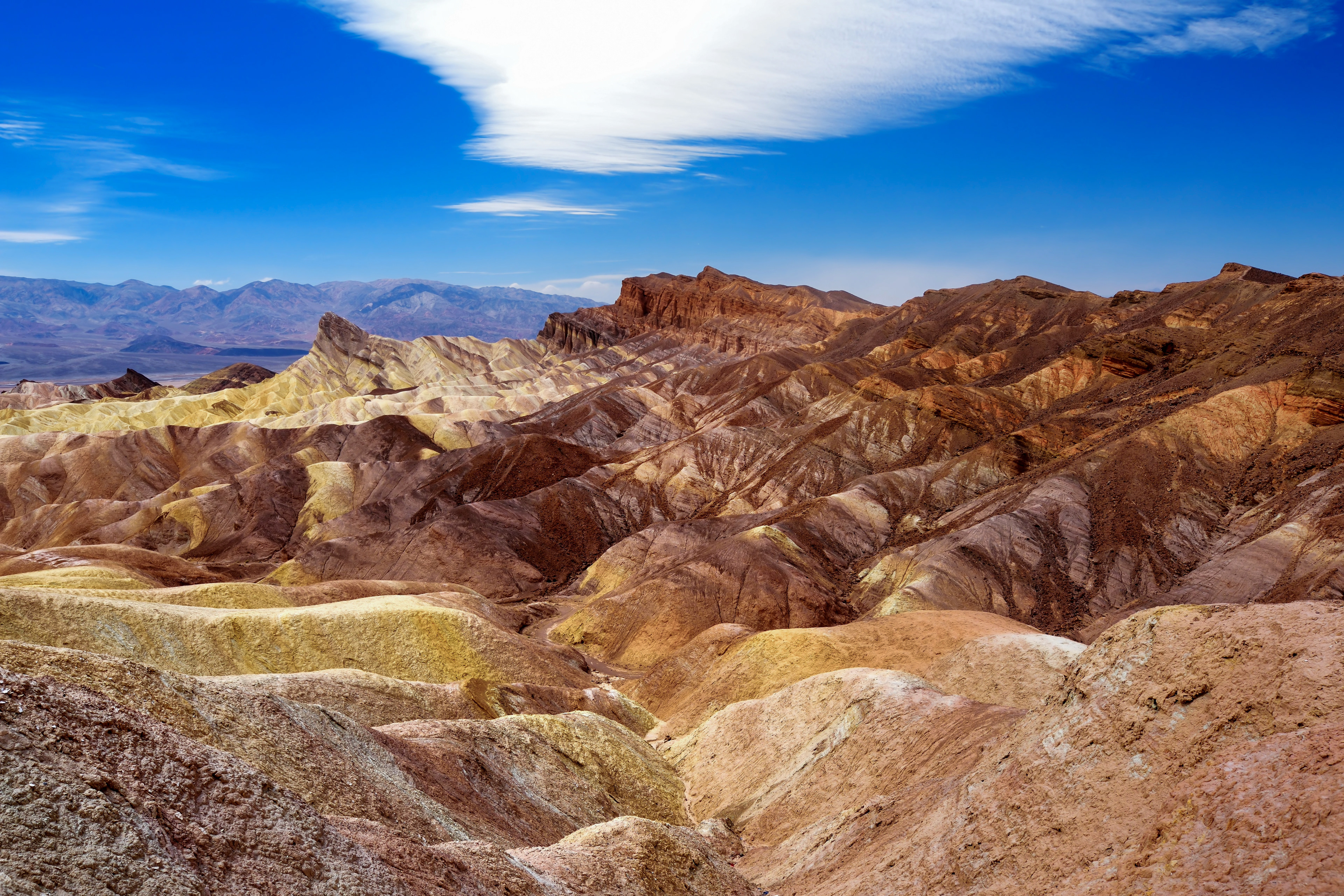
Zabriskie Point feels like standing inside the Earth’s memory. Every ridge, fold, and ripple is a quiet confession of time—slow, patient, unbothered by human urgency. The light doesn’t just fall here; it reveals. It sketches the land’s bones, its bruises, its soft resilience. In this silence, the desert becomes a teacher, and the horizon becomes a promise.